Temples & faith
Monasteries, sacred mountains, mosques and churches, and how to visit respectfully.
Tibetan monasteries in Shangri-La, Dai Buddhist temples in the south, Taoist halls, old mosques and mountain churches. Notes on when to go and the etiquette that matters.
Notes
28 notes
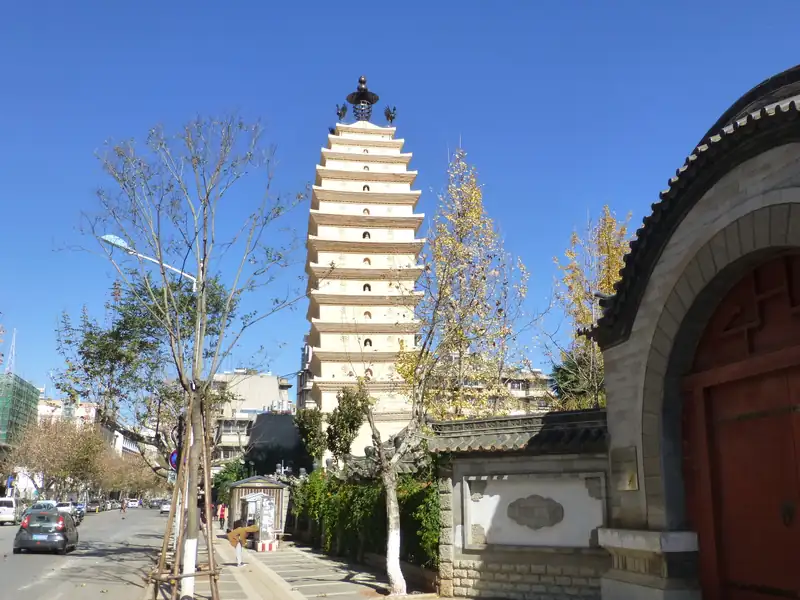
The plane-tree walk: East Pagoda to Xunjin Street
Old center, Kunming
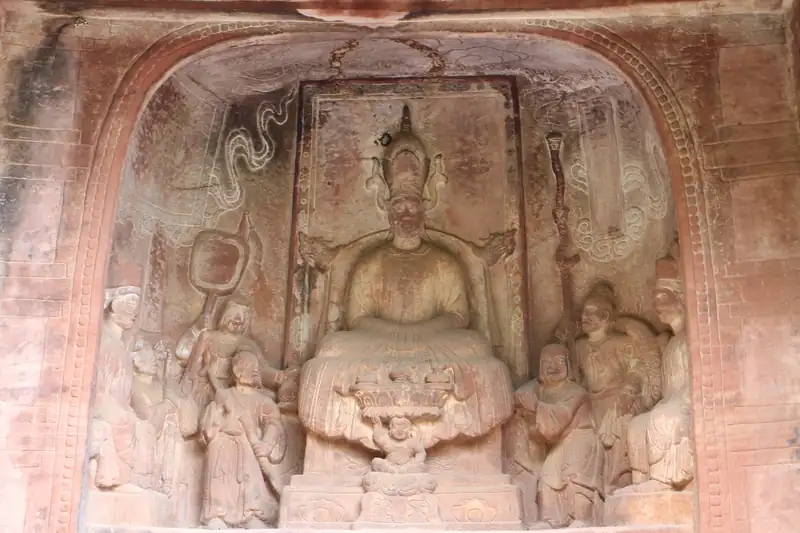
Shibaoshan Grottoes: Nanzhao kings carved in red sandstone
Shibaoshan, between Shaxi and Jianchuan
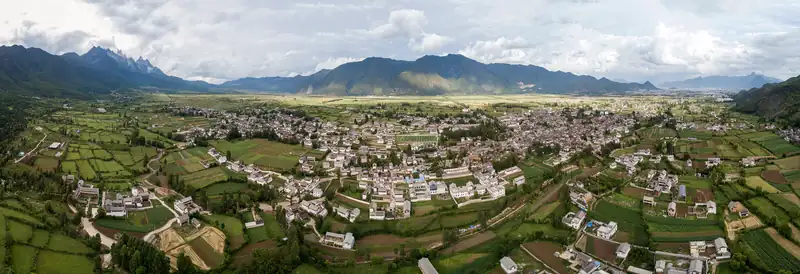
Sanduo Festival: Naxi rites at Baisha's Beiyue Temple each spring
Beiyue Temple, Baisha, Yulong county, Lijiang
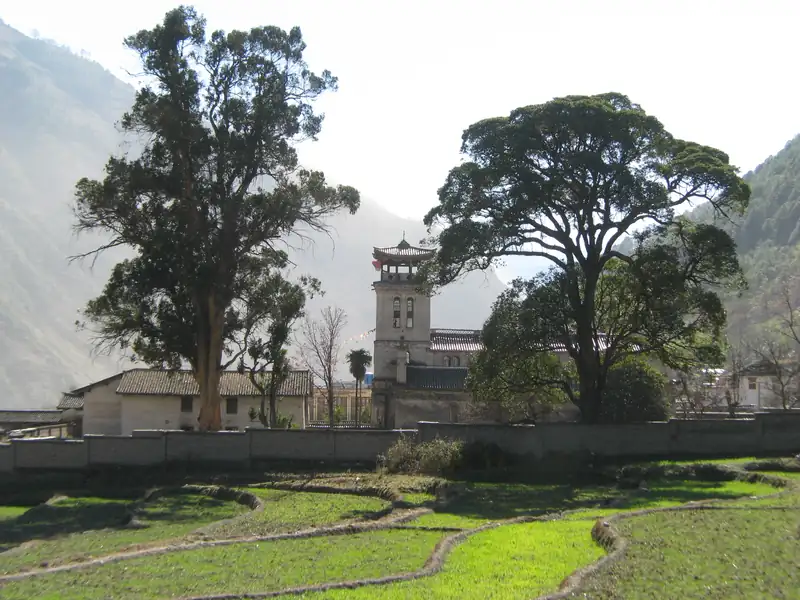
Cizhong Church: a Tibetan Catholic church and vineyard on the Lancang
Cizhong village, Yanmen, Deqin County
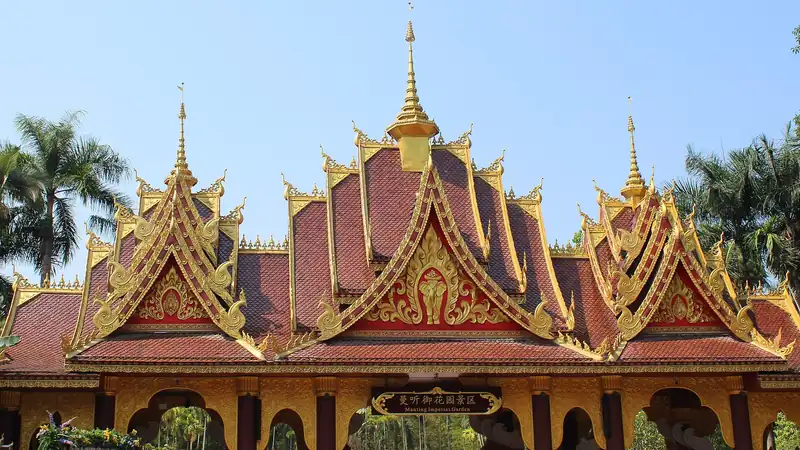
Manting Park and Zongfo Temple in the mid-afternoon
Central Jinghong
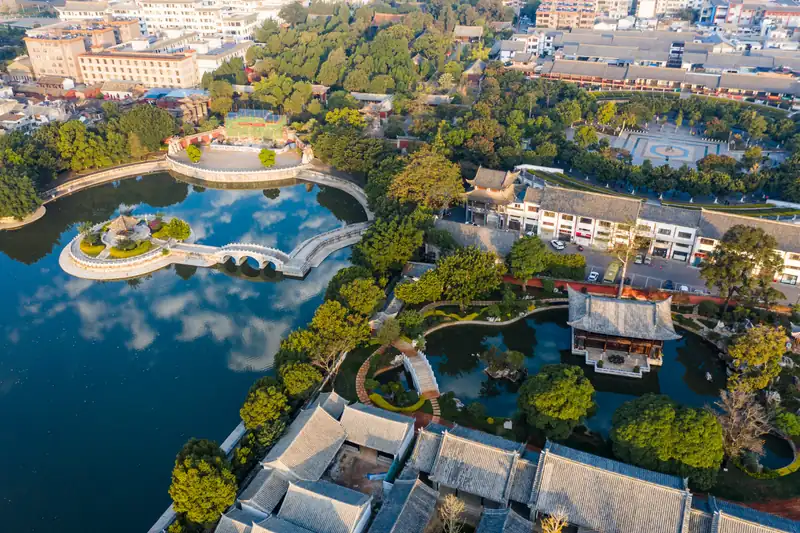
Jianshui Confucian Temple, one of the largest in China
Jianshui old town
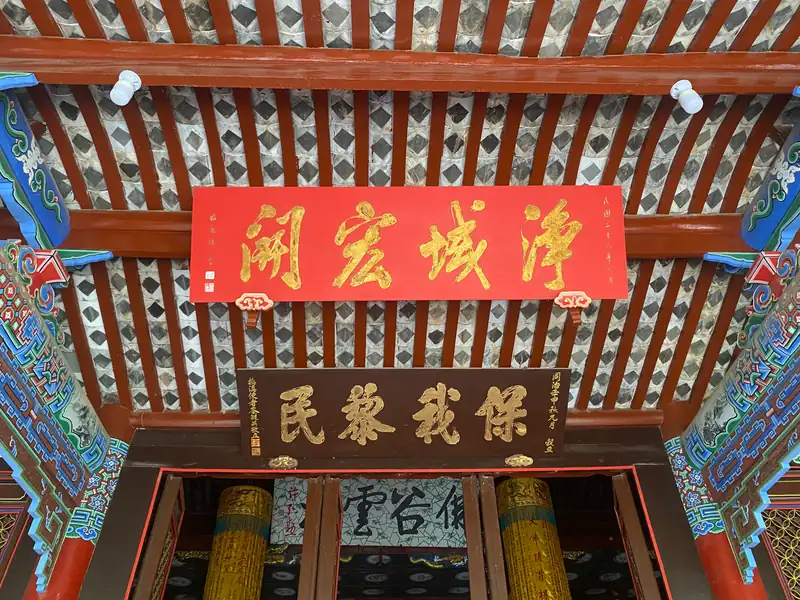
Xiushan, Tonghai's temple hill of old trees and carved plaques
South edge of Tonghai town, Tonghai County
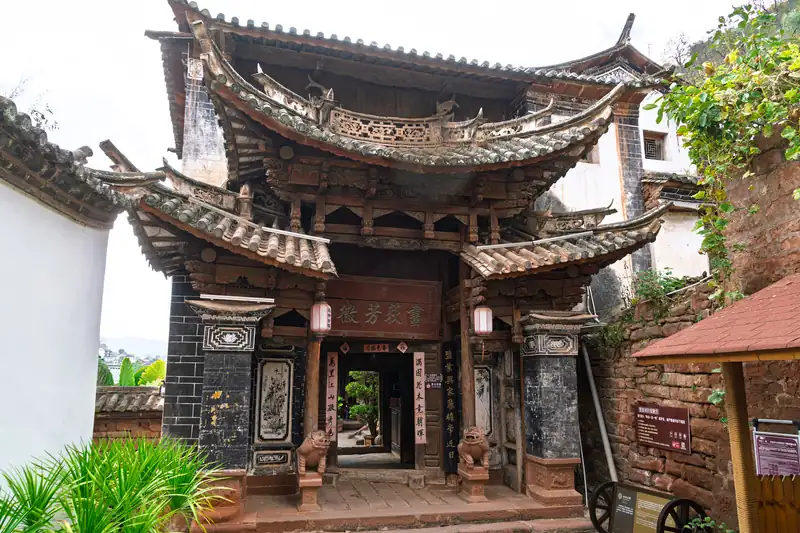
Heijing's combined ticket: Wu Family Compound, Dalong Temple, salt workshop
Heijing, Lufeng
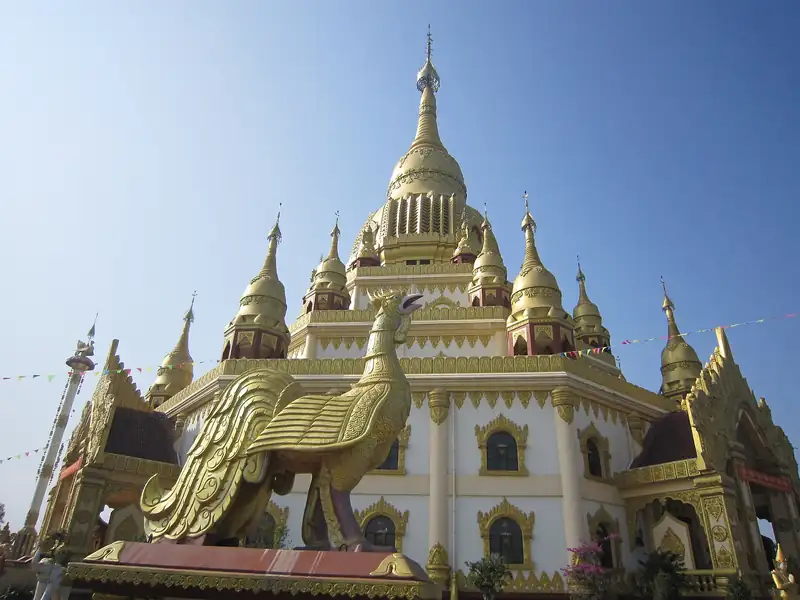
Menghuan pagodas: see the gold one from outside, go up the silver at sunset
Menghuan pagodas, Mangshi
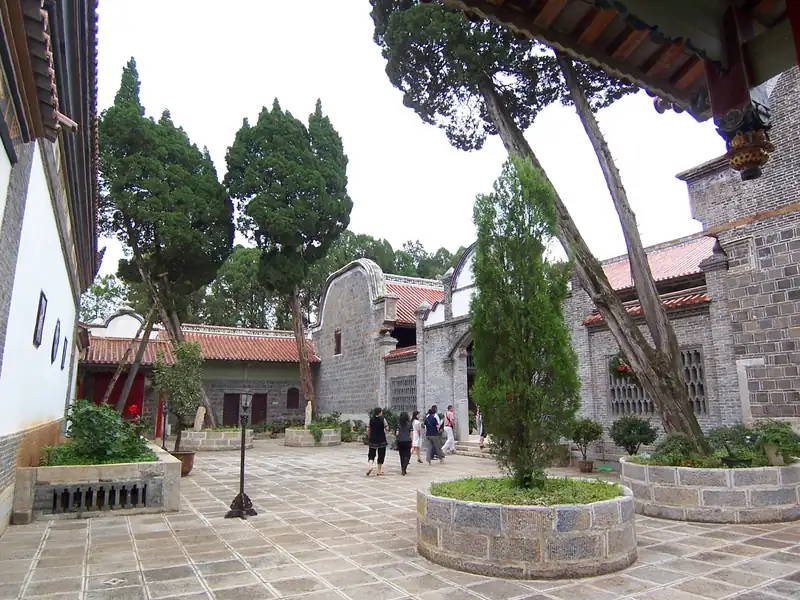
Longshi Ancestral Hall, Governor Long Yun's family shrine outside town
Bojiwan village, Yongfeng town, Zhaoyang District
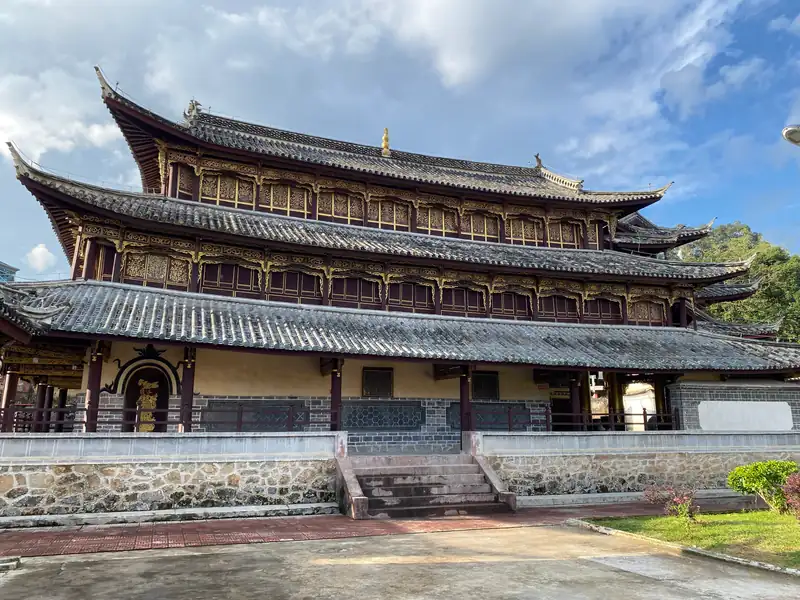
Guangyun Temple: Dai Buddhism in a Han-style wooden hall
Cangyuan county town
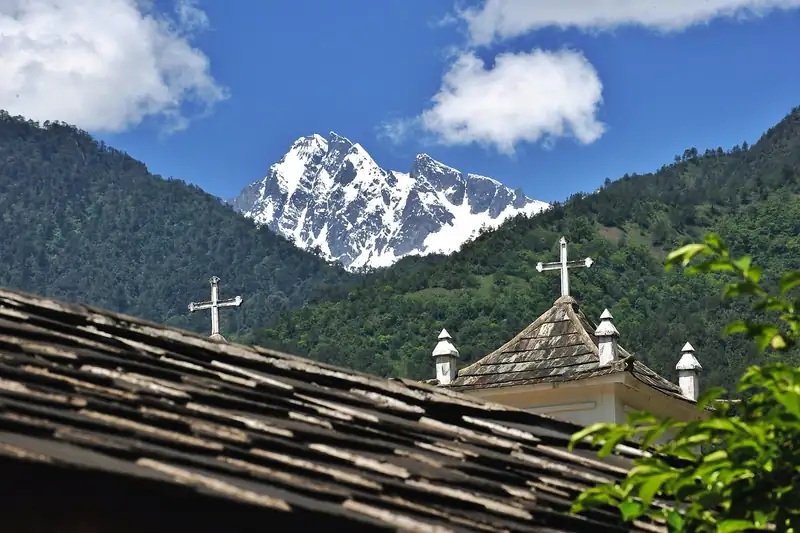
Chongding Church and Puhua Temple: two faiths, one morning
Bingzhongluo, Gongshan county
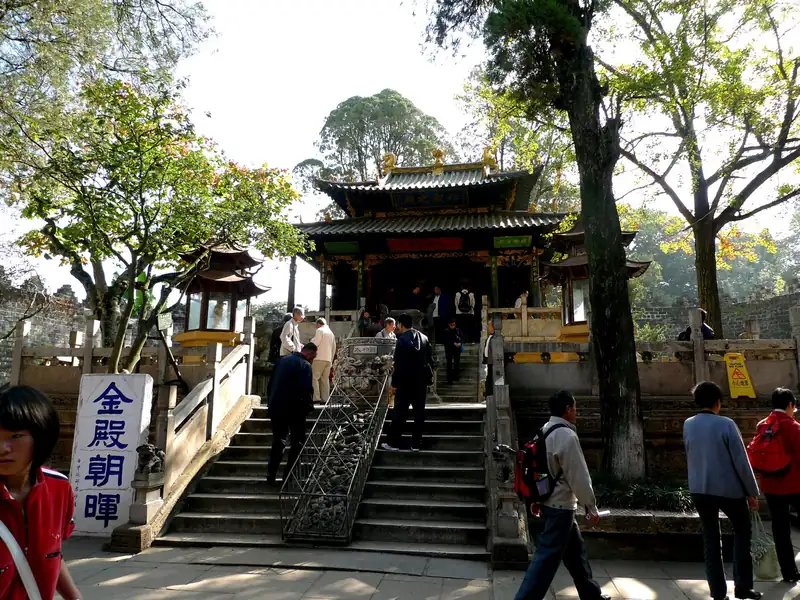
Golden Temple Park: a bronze hall in the forest on Mingfeng Hill
Northeast Kunming
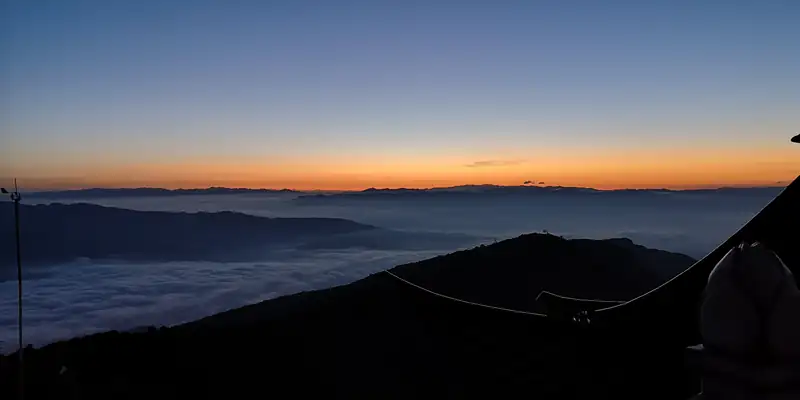
Sunrise from Jizu Mountain's Golden Summit Temple: sleep at the top
Jizu Mountain, Binchuan county, about 1.5 hours' drive from Dali Old Town

Mosuo Mountain Festival at Lugu Lake on the 25th of the 7th lunar month
Gemu Mountain, Yongning, Ninglang county, Lijiang
Songzanlin Monastery in the morning, before the groups
North of Shangri-La town
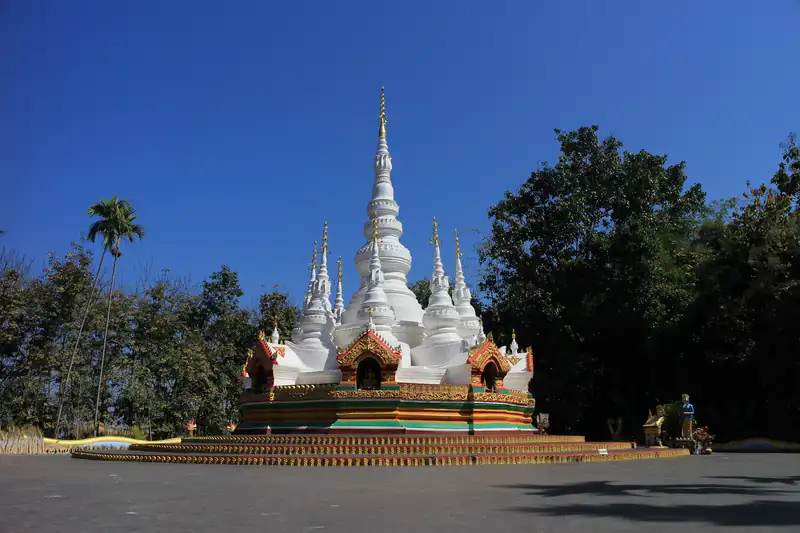
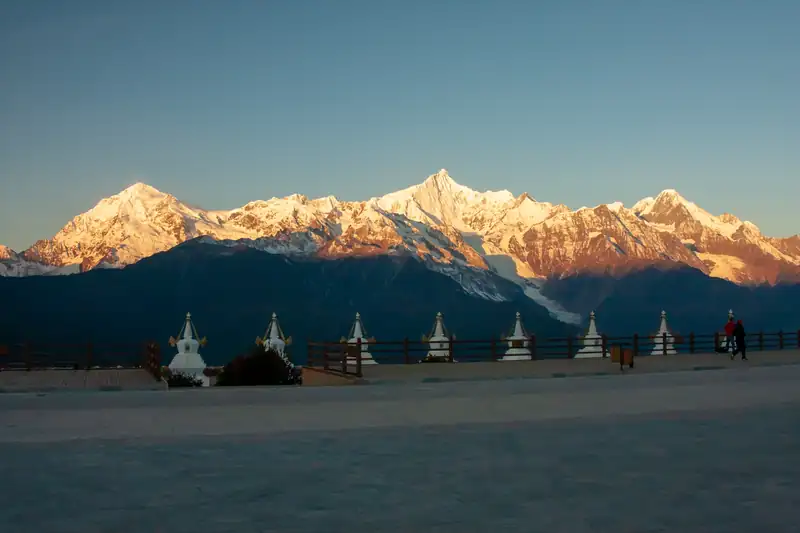
Manfeilong's nine white stupas in Menglong, best in afternoon light
Manfeilong village, Menglong, Jinghong
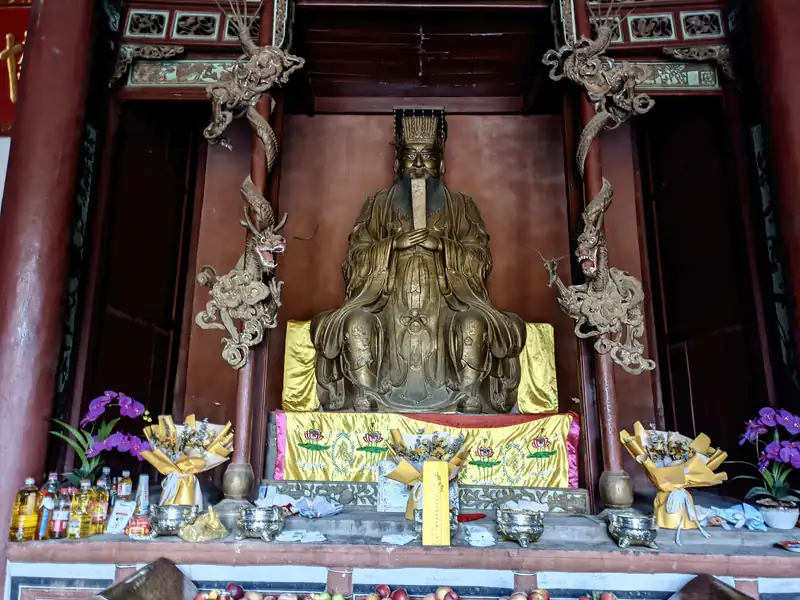
Shiyang, a quiet salt town with a huge Qing bronze Confucius
Dayao county, north of Chuxiong city
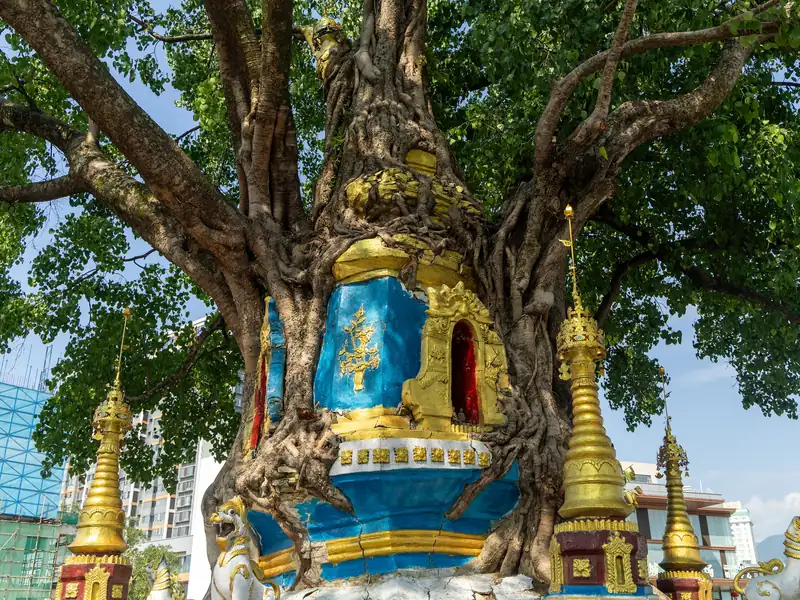
The Tree-Wrapped Pagoda: a bodhi tree grown right through a Qing pagoda
Mangshi town
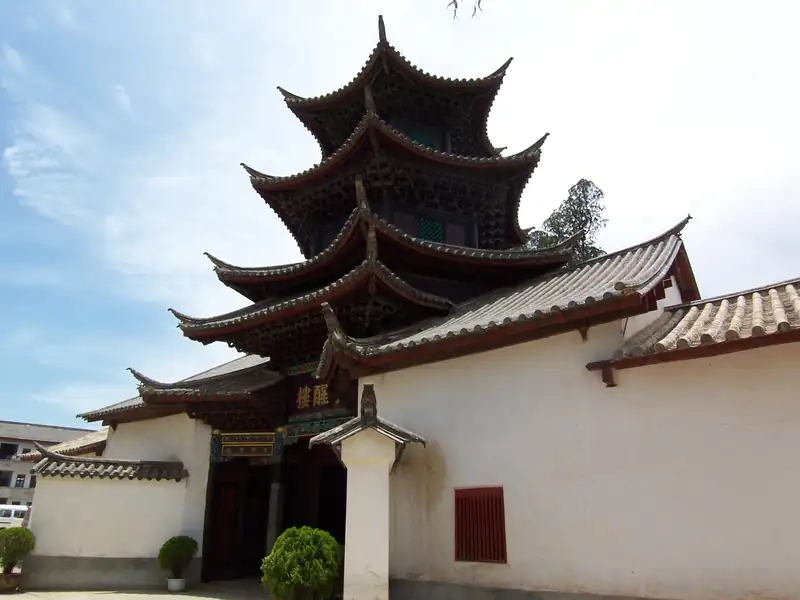
Tuogu Mosque, a 1730 timber mosque that came through the Ludian quake
Tuogu village, Taoyuan Hui township, Ludian County
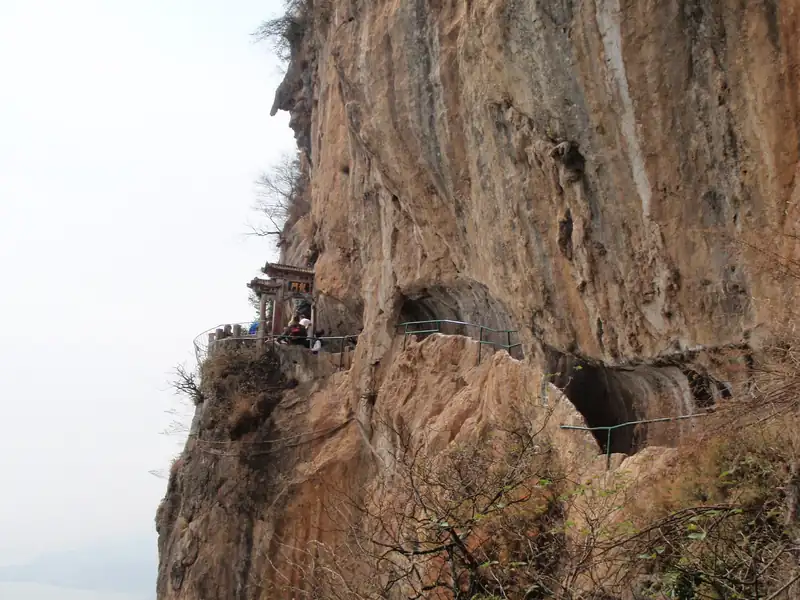
Western Hills: cable car over Dianchi, then the cliff path to Dragon Gate
Western Hills, Xishan District, Kunming
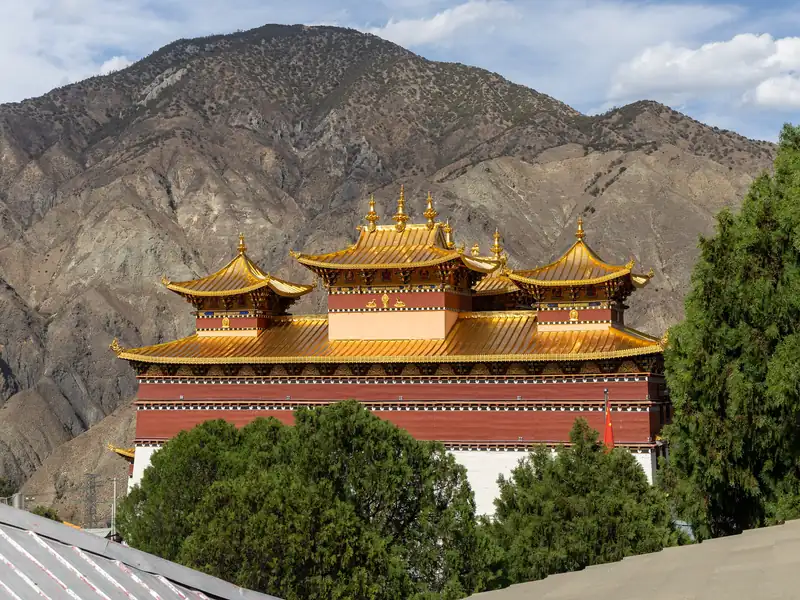
Dongzhulin Monastery: a G214 stop with masked dances in the 8th Tibetan month
Shusong village, Benzilan, Deqin County
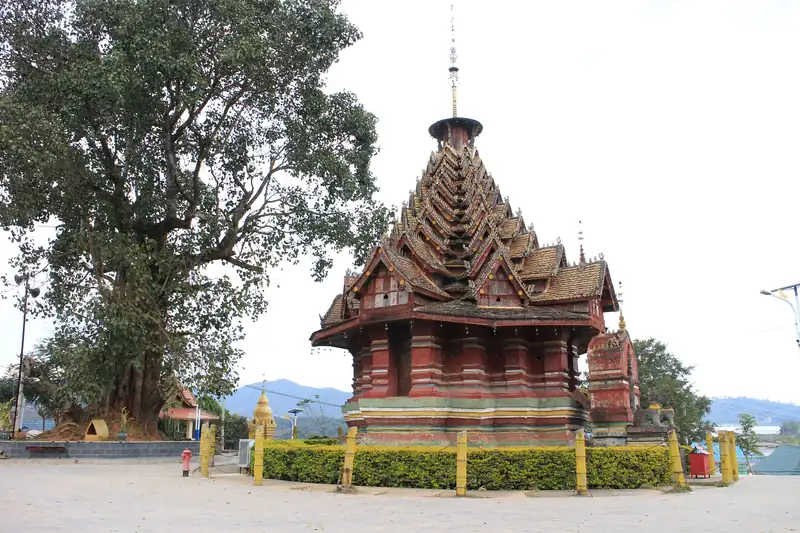
Jingzhen Octagonal Pavilion: a 1701 Dai temple hall studded with mirrors
Jingzhen village, Mengzhe, Menghai County
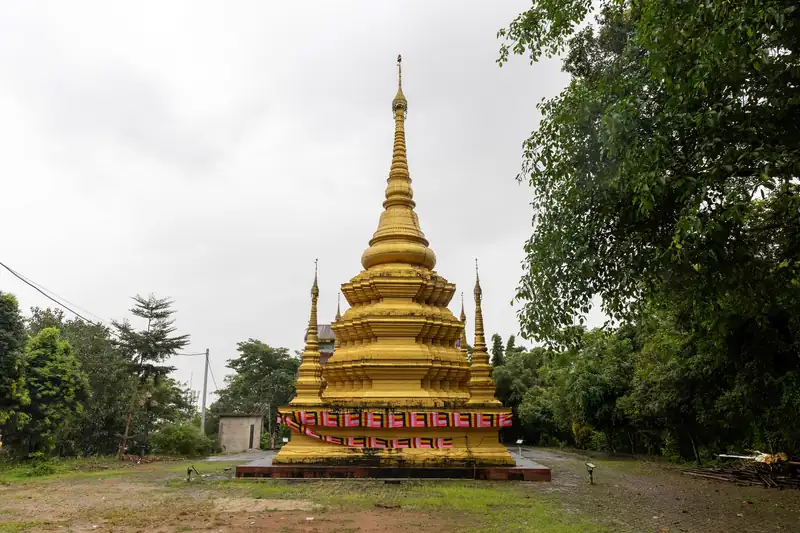
Leizhuangxiang: Ruili's oldest temple, with gold and white stupas on a hill
Mangyue village, Jiexiang, Ruili
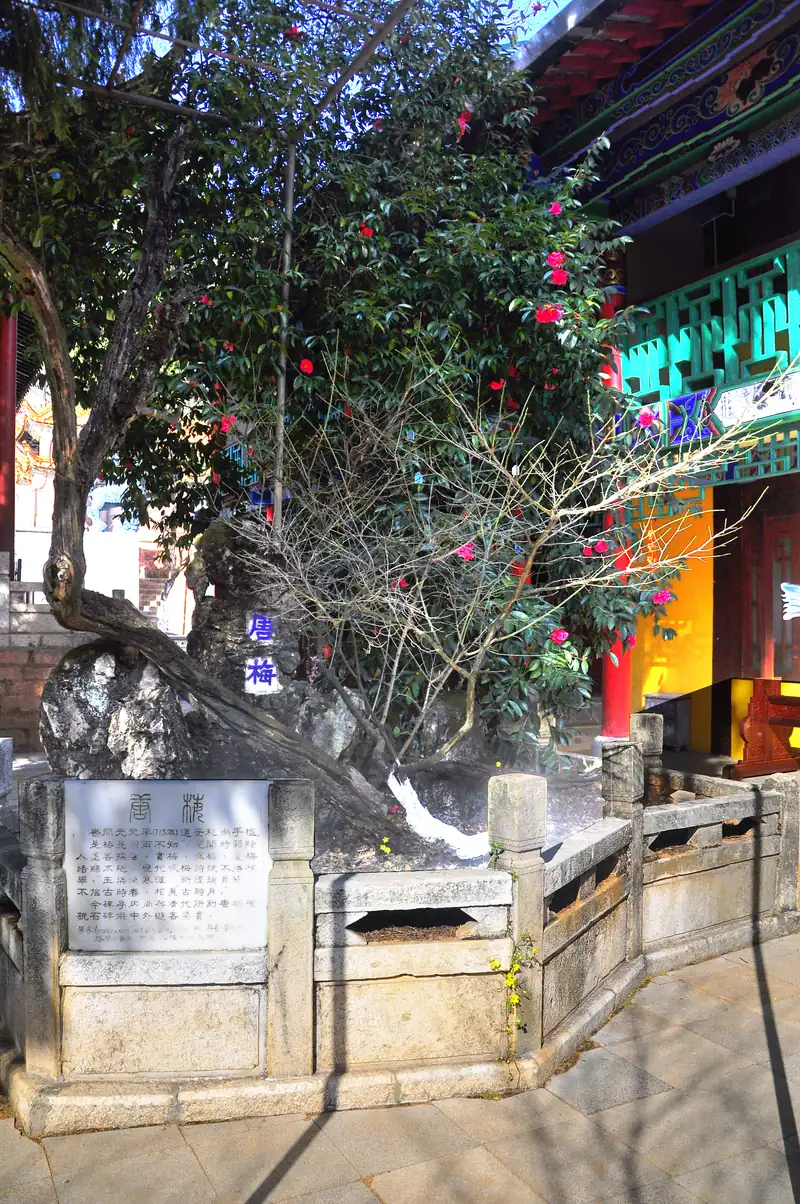
Kunming's Black Dragon Pool in plum season: old trees and Daoist halls, Jan–Feb
Northern suburbs, Panlong District, Kunming
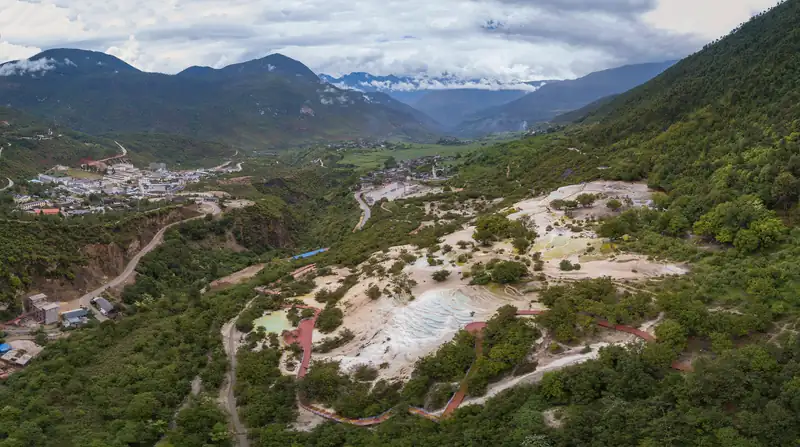
Baishuitai: white travertine terraces at a Naxi holy site below Haba
Baidi village, Sanba Naxi township, Shangri-La
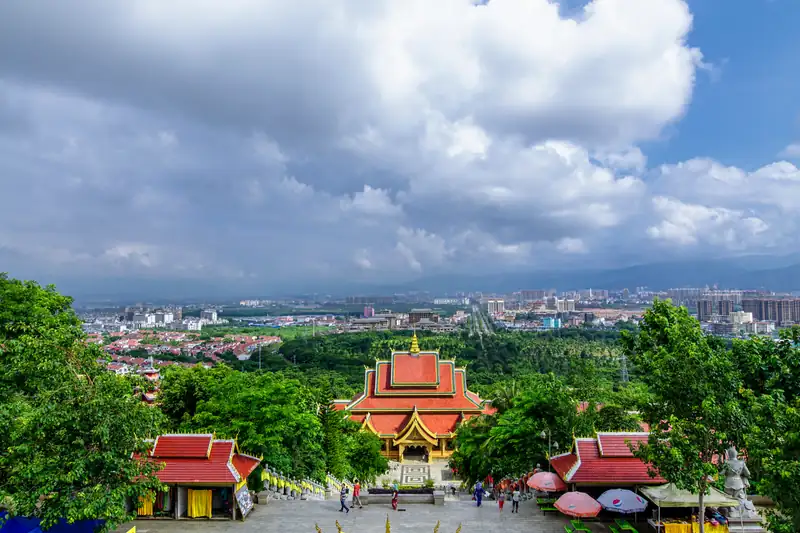
Mengle Grand Buddhist Temple: gold roofs and a view over Jinghong
Mengle Cultural Tourism Area, Jinghong
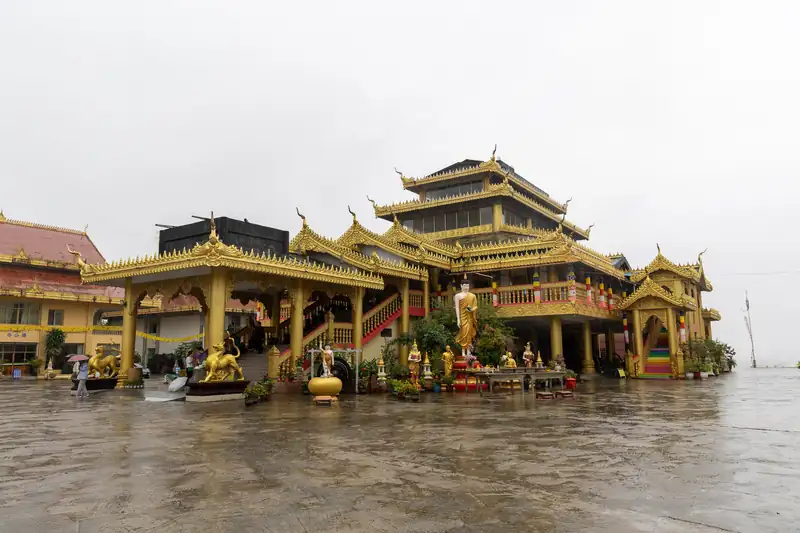
Ruili's Zongfo Temple and Dai Palace: free hilltop sunset over Myanmar
Guanghehan hill, Mengmao, Ruili
Local experiences
Experiences →Temples & beliefs · Kunming: Golden Temple 太和宫金殿 on Mingfeng Hill · Half day
A morning at a Taoist temple
Walk up through the pine forest of Mingfeng Hill, on Kunming's northeastern edge, to the Golden Temple, a hall cast entirely in bronze for the Taoist god Zhenwu; first built in 1602 and recast in 1671, it is the largest bronze temple in China.
Ask to arrange this →
Temples & beliefs · Kunming · About 2 hours
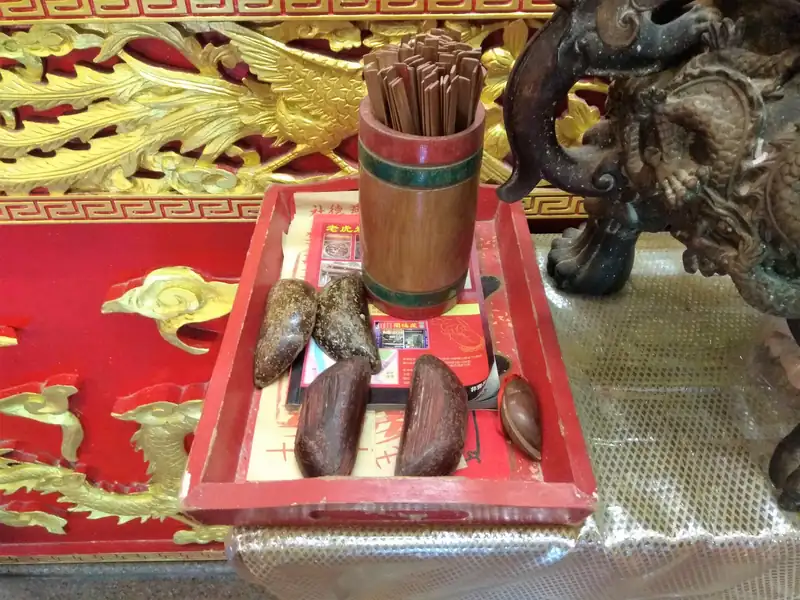
Fortune sticks and the I Ching, as culture
Fortune-telling runs deep in Chinese life, from shaking a bamboo cylinder at a temple until one numbered stick falls out, to tossing coins to build a hexagram from the I Ching (Book of Changes), a text about 3,000 years old that shaped both Confucian and Taoist thought.
Ask to arrange this →
Temples & beliefs · Kunming (Yuantong Temple 圆通寺) · 2–3 hours
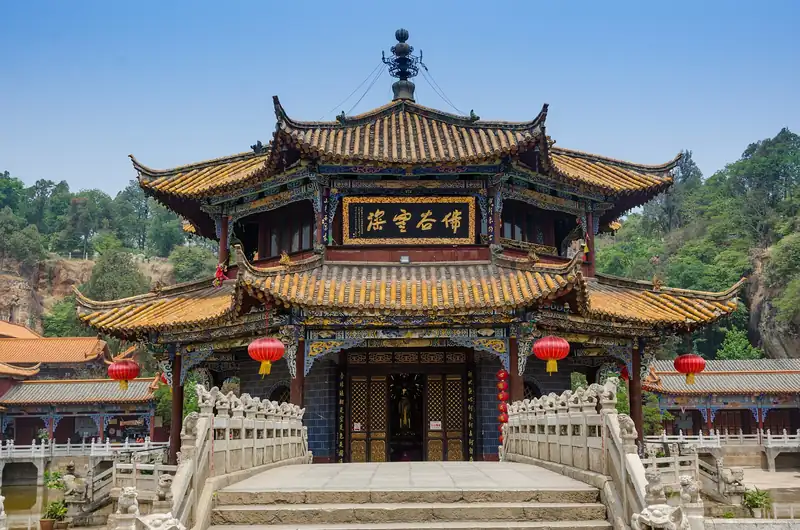
Visit a Buddhist temple with someone who knows the etiquette
Yunnan is the only Chinese province where all three main branches of Buddhism live side by side: Chinese Mahayana in the cities, Tibetan in the northwest and Theravada among the Dai in the south.
Ask to arrange this →