Golden Week, 1–7 October: trains, hotels and Jade Dragon tickets sell out. If you can, start your trip after 8 October. Updated 25 Sep

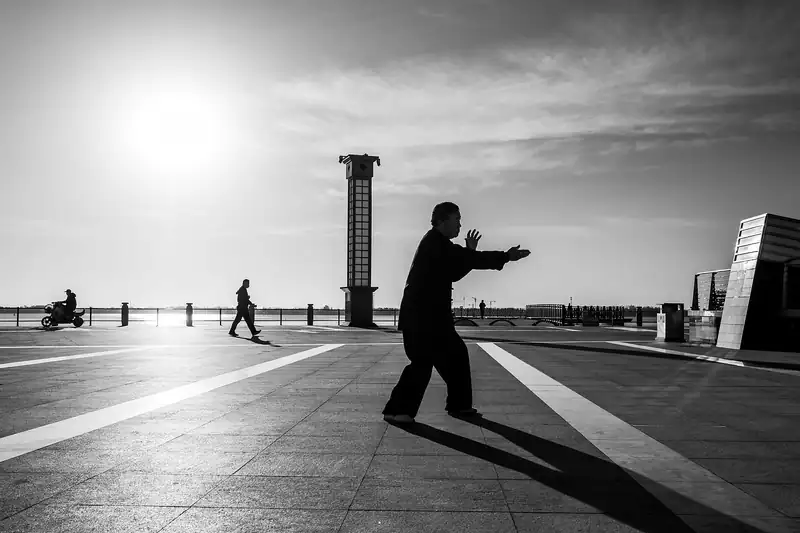
A man practicing tai chi at dawn

Live like a local

Spend a day the way people here do

Dinner in a family home, a foot soak and herbal steam, a morning at a Taoist temple, mahjong with the neighbors. We arrange these in Kunming, Dali, Lijiang and most other cities; a guide or a translation app covers the language.

22 experiences

Dinner in a Chinese family's home

In a local home · 3–4 hours

Dinner in a Chinese family's home

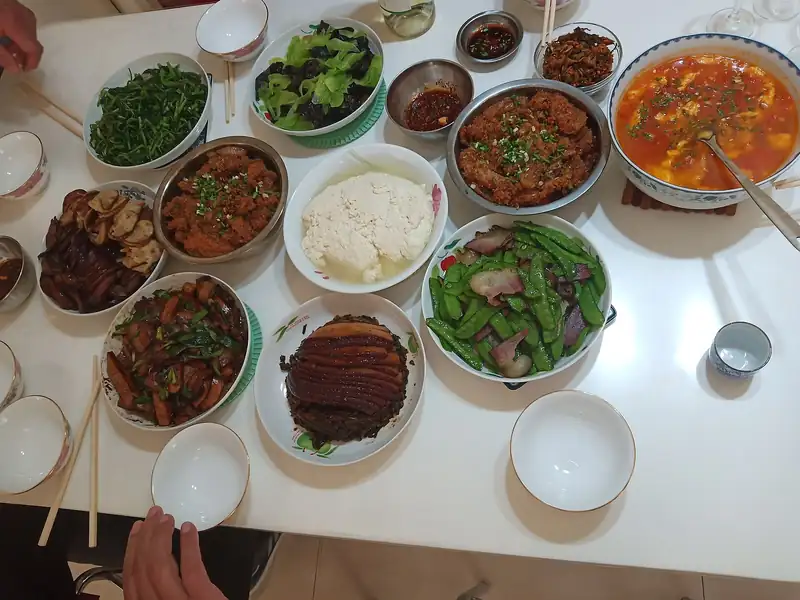
You arrive while the last dishes are still going into the wok, help with one of them, then sit down to what a Yunnan family actually eats on a weeknight: steam-pot chicken or a seasonal stir-fry, grandma-style potatoes with chili (lao nai yangyu), tomato and egg, and a shared soup in the middle. Everything is passed around the table, conversation runs through a guide or a translation app, and nobody is selling you anything.

Good for: First-time visitors to China, families with kids, anyone curious about everyday life

Etiquette and what to know

Bring a small gift such as fruit or something from home. Let the eldest start eating first, never stand chopsticks upright in rice, and leave a little in your bowl when you are full or it will be refilled. You can toast with tea instead of baijiu. Tell us about allergies or vegetarian needs when you book.
Kunming, Dali, Lijiang and other cities on request

Ask to arrange this
A morning at a Taoist temple

Temples & beliefs · Half day

A morning at a Taoist temple

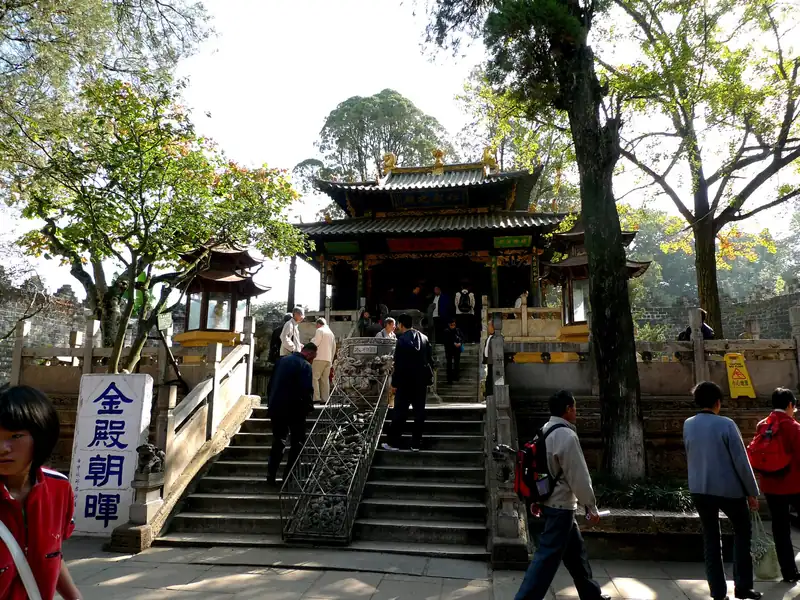
Walk up through the pine forest of Mingfeng Hill, on Kunming's northeastern edge, to the Golden Temple, a hall cast entirely in bronze for the Taoist god Zhenwu; first built in 1602 and recast in 1671, it is the largest bronze temple in China. Or stay in town at Zhenqing Temple, founded in the Yuan dynasty by Taoists from Wudang Mountain and now home to Kunming's Taoist association, and drink tea under the old trees in its courtyard. A guide who knows Taoist practice explains the deities, the incense and the basic ideas of the Tao as you go.

Good for: History lovers, early risers, anyone curious about Chinese religion

Etiquette and what to know

Dress modestly, step over thresholds rather than on them, and ask before photographing priests or worshippers. Burning incense is optional; ignore anyone selling expensive 'blessing' packages. The Golden Temple's camellia garden flowers roughly January to March.

Kunming: Golden Temple 太和宫金殿 on Mingfeng Hill, or Zhenqing Temple 真庆观 in the city center

Ask to arrange this

Herbal foot soak and ginger steam

艾草泡脚 · 古法姜蒸

Wellness · 2–2.5 hours

Herbal foot soak and ginger steam

Kunming's new Chinese-style wellness spas are where locals go to unwind after a hard week: a mugwort foot soak, a full-body meridian massage, then a ginger steam in which warm, pounded highland ginger and herbs are spread over your back and wrapped to hold the heat. Many sessions add a head massage or moxibustion and end with herbal tea and small snacks.

Good for: Anyone after a long travel day, sore hikers, couples

Etiquette and what to know

The ginger wrap feels hot and can leave your skin pink for a while; say so if it's too much. Skip the steam if you are pregnant, have broken skin or a heart condition. Most spas speak no English, so we pass on your booking and preferences in Chinese.

Kunming, and other cities on request

Ask to arrange this
Pu'er tasting and a gongfu tea session

Food & markets · About 2 hours

Pu'er tasting and a gongfu tea session

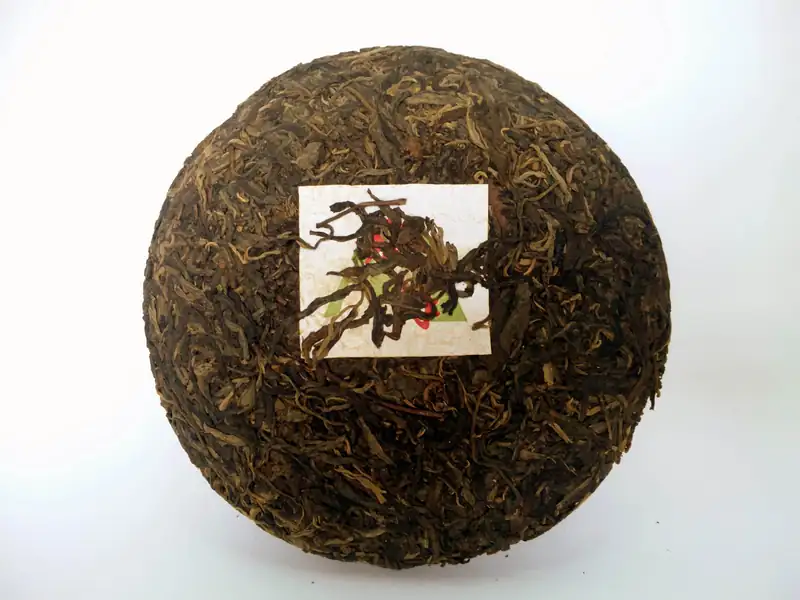
Sit down with a tea teacher and taste your way across Yunnan: young raw (sheng) Pu'er, ripe (shou) and aged Pu'er, Yunnan black tea (Dianhong) and perhaps a white tea such as Moonlight White. You learn how gongfu brewing works, with a small pot, short infusions and many rounds, how to read the wrapper on a pressed tea cake, and why the mountain and the year matter so much to collectors.

Good for: Tea drinkers, anyone planning to buy tea to take home

Etiquette and what to know

Tea shops in tourist towns are known for hard selling and inflated 'vintage' cakes. This is a tasting, not a shop visit; if you want to buy afterward, your teacher can tell you what a fair price looks like. Pu'er has plenty of caffeine, so a morning or early-afternoon session is best.

Kunming, Pu'er, Menghai (Xishuangbanna), Dali, Lijiang

Ask to arrange this
A day with a village family

In a local home · Full day, or overnight

A day with a village family

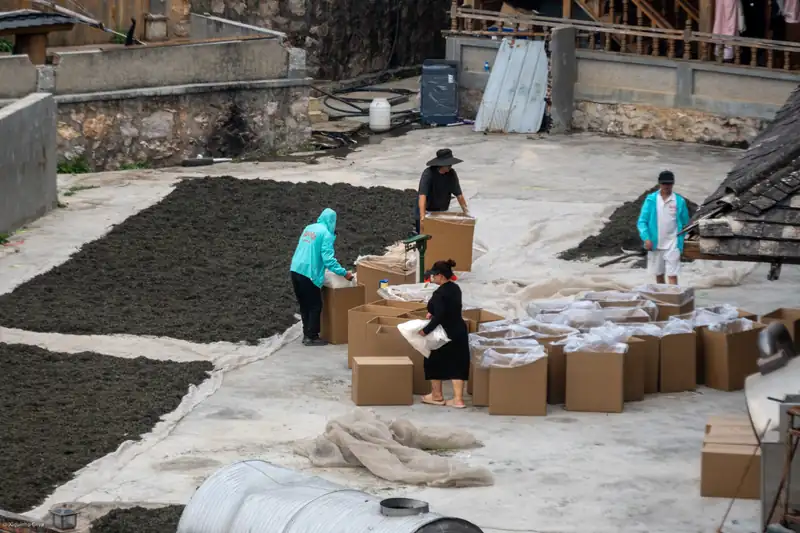
Spend an ordinary working day with a rural family: the morning market or feeding the animals, whatever the season needs doing in the fields or courtyard, a long lunch, and tea on the doorstep in the afternoon. What you do follows the farming calendar, from planting on the Hani terraces to drying tea in Jingmai in spring or preparing food before Lunar New Year, so no two days are the same.

Good for: Slow travelers, return visitors to China, photographers who want context rather than posed shots

Etiquette and what to know

Village homes are simple: expect a squat toilet, basic showers and cold mornings in the mountains. Wear clothes you don't mind getting dirty, ask before photographing people, and let the family set the pace. An overnight stay is possible in some villages.

Bai villages around Erhai (Dali), Naxi villages near Lijiang, Hani villages at Yuanyang, Bulang villages in Jingmai

Ask to arrange this
Dumpling making at a family table

In a local home · 2–3 hours

Dumpling making at a family table

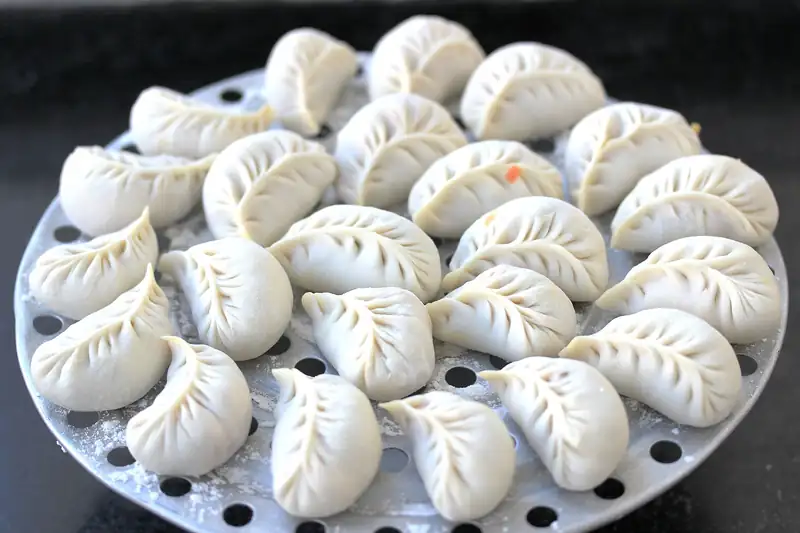
Your host shows you how to roll wrappers thin at the edge and thicker in the middle, then how to pleat and seal them, and the whole table folds together until the tray is full. Dumplings are a northern Chinese staple rather than a Yunnan one, but many local families make them at weekends and for Lunar New Year, when their ingot shape stands for money in the year ahead. You boil them, dip them in black vinegar and chili, and if one bursts in the pot, you say it has "earned" (zhèng le), the lucky word families use instead of "broken."

Good for: Families with kids, groups of friends, a good rainy-day plan

Etiquette and what to know

Pork and chive is the classic filling; ask for a vegetarian one when you book. Your first dozen will be lopsided, and nobody minds.

Kunming, Dali, Lijiang and most cities

Ask to arrange this
Market morning and a Yunnan home-cooking class

Food & markets · 4–5 hours

Market morning and a Yunnan home-cooking class

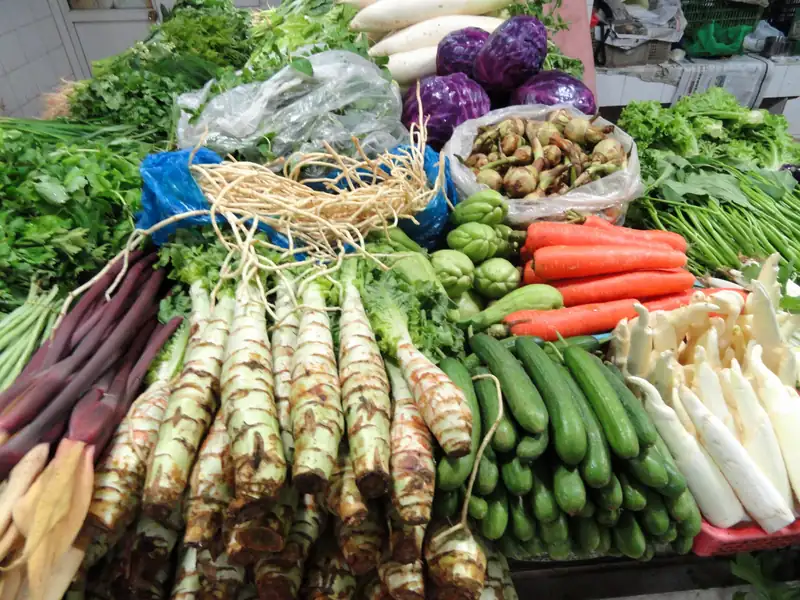
Shop with a local cook at a neighborhood wet market, among heaps of fresh chilies, mint, Xuanwei ham, edible flowers in spring and wild mushrooms in summer, then cook three or four home dishes in their kitchen. Steam-pot chicken goes into its Jianshui clay pot first because it steams for hours; while it cooks you make fried rice cakes (chao erkuai), a seasonal green and grandma-style potatoes, plus one dish foreigners often ask for, such as kung pao chicken.

Good for: Food lovers, home cooks who want to recreate dishes back home

Etiquette and what to know

Markets are at their best before 10 a.m. Wet markets are loud, crowded and not always tidy. Your cook can suggest substitutes for ingredients that are hard to find outside China.

Kunming (Zhuanxin Market 篆新农贸市场), Lijiang (Zhongyi Market 忠义市场), Dali and other cities

Ask to arrange this
Spring tea picking with a family in Jingmai

Food & markets · 1–2 days, roughly March–April

Spring tea picking with a family in Jingmai

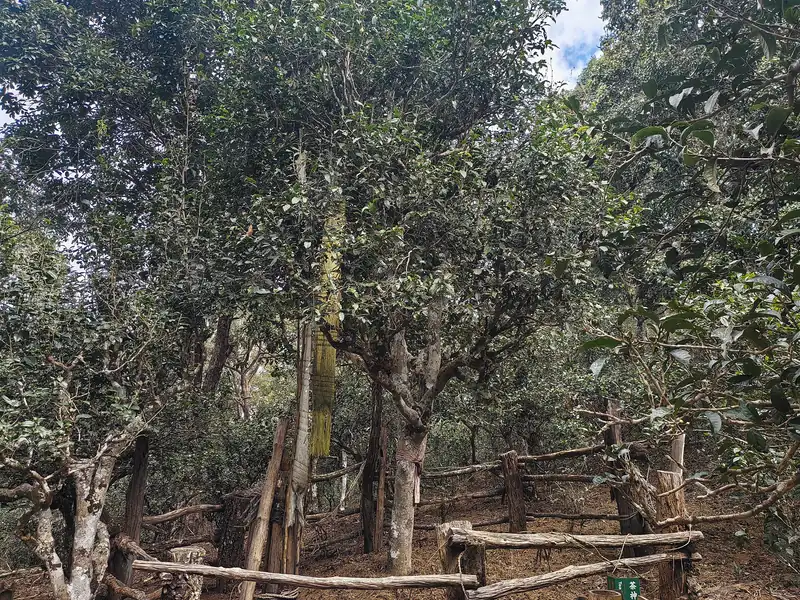
Jingmai's old tea forests, where tea trees grow under taller forest cover tended by Bulang and Dai villages for centuries, became the world's first tea-themed UNESCO World Heritage site in 2023. In the spring harvest you pick buds and young leaves with a tea family in the morning, help wok-fire, roll and sun-dry them in the afternoon, and taste the result that evening.

Good for: Tea lovers, slow travelers, anyone combining Pu'er and Xishuangbanna

Etiquette and what to know

The harvest depends on the weather, so dates move from year to year; a smaller autumn picking is also possible. The oldest trees belong to particular families and their leaves are valuable, so pick only where your hosts ask. Jingmai is under three hours by road from Jinghong; guesthouses are simple, and a driver makes the trip far easier.

Jingmai Mountain, Lancang County, Pu'er (Wengji, Nuogan or Manghong villages)

Ask to arrange this
Wild-mushroom walk with a local picker

Food & markets · Half day, roughly June–September

Wild-mushroom walk with a local picker

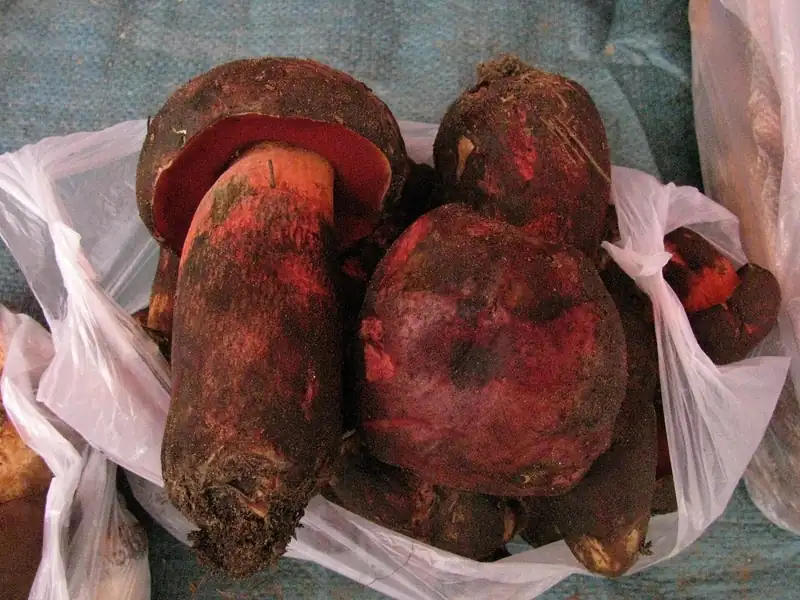
After the summer rains start, Yunnan families head into the pine forests early to look for boletes (porcini's local cousins), chanterelles, termite mushrooms (jizong) and more. You go with a villager who has picked these hills for years, learn what grows under which trees, then take the basket to a restaurant to be cooked for lunch, or compare it with the day's haul at a wild-mushroom market.

Good for: Food lovers, hikers, anyone in Yunnan during the rainy season

Etiquette and what to know

Yunnan hospitals treat mushroom poisonings every summer. Never eat anything you picked unless an experienced local has checked it and a restaurant cooks it, and never eat jianshouqing (a local bolete) undercooked; it causes hallucinations. Forests belong to villages, so go with a local rather than on your own. Expect mud and an early start.

Hills around Kunming, Dali, Chuxiong and Shangri-La, in season

Ask to arrange this

Tuina massage with an old-school master

推拿按摩

Wellness · 1–1.5 hours

Tuina massage with an old-school master

Tuina is Chinese therapeutic massage: firm pressing, kneading and joint work along the body's meridians, done fully clothed. Many of China's tuina practitioners are blind, since massage is a long-established, formally trained profession for visually impaired people, and a good one finds the knot in your shoulder in seconds and shows you a stretch to take home. Around Green Lake in Kunming, older masters working into the evening are a local favorite.

Good for: Hikers, long-haul travelers, anyone with a stiff back or neck

Etiquette and what to know

Tuina is strong and can hurt. Say "qīng yìdiǎn" (lighter, please) when you need to. It's a complement to medical care, not a replacement; mention injuries or pregnancy first.

Kunming (Green Lake area) and most cities

Ask to arrange this
Pulse reading with a TCM doctor, then a medicinal meal

Wellness · About 3 hours

Pulse reading with a TCM doctor, then a medicinal meal

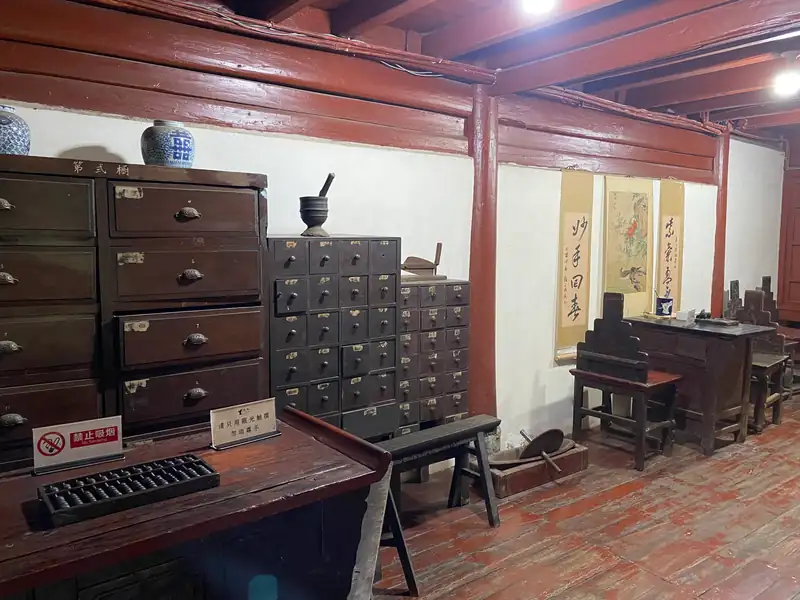
A practitioner of traditional Chinese medicine takes your pulse at both wrists, looks at your tongue and asks about sleep, appetite and energy, then explains in TCM terms such as heat, cold and damp what they see. Afterward you eat a medicinal meal built on Yunnan ingredients: steam-pot chicken with sanqi (notoginseng, grown around Wenshan), chicken stewed with tianma (gastrodia) and whatever herbs are in season.

Good for: The curious, anyone interested in how many Chinese people think about health

Etiquette and what to know

Treat it as a cultural window, not a diagnosis; it does not replace your own doctor. Tell the practitioner about medications, allergies or pregnancy, since some herbs interact with drugs. You are under no obligation to buy anything, and if someone pushes expensive remedies, walk away.

Kunming, and other cities on request

Ask to arrange this
A hot-spring day in Tengchong or Anning

Wellness · Half day to full day

A hot-spring day in Tengchong or Anning

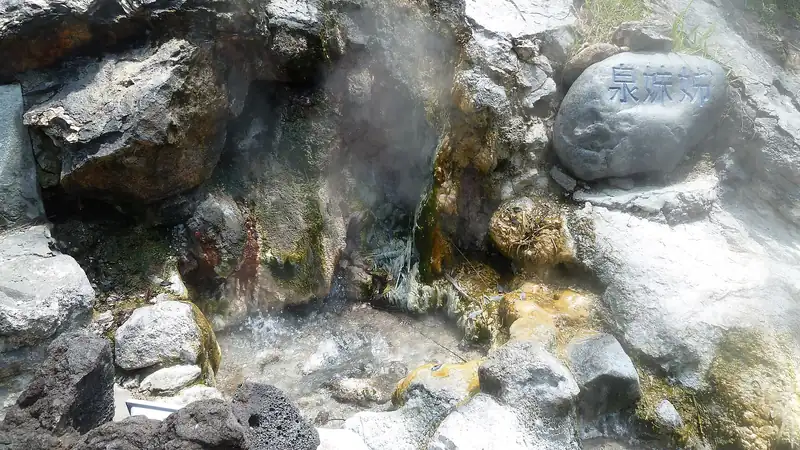
Tengchong sits on a volcanic field, and at Rehai ("Hot Sea") you walk past steaming vents and the Big Boiling Pot, a pool that bubbles at about 97 °C, eat eggs cooked in the spring, then soak in pools of different temperatures. Closer to Kunming, Anning's springs run at about 42–45 °C, and the Ming scholar Yang Shen, exiled to Yunnan, rated them the finest hot springs under heaven.

Good for: Winter travelers, sore hikers, families, a rest day in a busy trip

Etiquette and what to know

Chinese hot-spring pools are usually mixed, so bring a swimsuit. Keep each soak to about 20 minutes, drink water, and watch your step on wet stone. Go easy if you have heart or blood-pressure problems.

Tengchong (Baoshan), or Anning, under an hour's drive west of Kunming

Ask to arrange this

Burmese-style hair wash in Mangshi

芒市 · 缅式洗头

Wellness · About 1 hour

Burmese-style hair wash in Mangshi

In Mangshi, a quiet, palm-lined town near the Myanmar border, small local salons offer a Burmese-style hair wash: you lie back while your hair is washed slowly, several times over, with long stretches of scalp, neck and shoulder massage between rinses. It's one of the most relaxing hours of a Dehong trip, and it's an easy way into everyday border-town life.

Good for: Anyone on the west Yunnan border loop, a rest after long drives

Etiquette and what to know

Salons are small neighborhood businesses with no English; we can book and explain what you'd like. Mention a sensitive scalp, and say no to any add-on treatments you don't want.

Mangshi, Dehong (also Ruili)

Ask to arrange this
Dawn tai chi and a morning in the park

Everyday life · 2–3 hours from about 7 a.m.

Dawn tai chi and a morning in the park

Chinese city parks are busiest before 9 a.m. At Green Lake in Kunming, you join a tai chi teacher for an hour of slow forms, then wander past sword practice, amateur choirs, erhu players and retirees doing laps of the lake. Finish the way locals do, with a bowl of small-pot rice noodles in one of the lanes nearby.

Good for: Early risers, jet-lagged travelers, photographers

Etiquette and what to know

Wear loose clothes and flat shoes; tai chi is gentle and suits any age. From about November to March, black-headed gulls winter on Green Lake and feeding them is part of the morning.

Kunming (Green Lake Park 翠湖公园), Dali, Lijiang and most cities

Ask to arrange this
Evening square dancing with the aunties

Everyday life · 1–1.5 hours, after dinner

Evening square dancing with the aunties

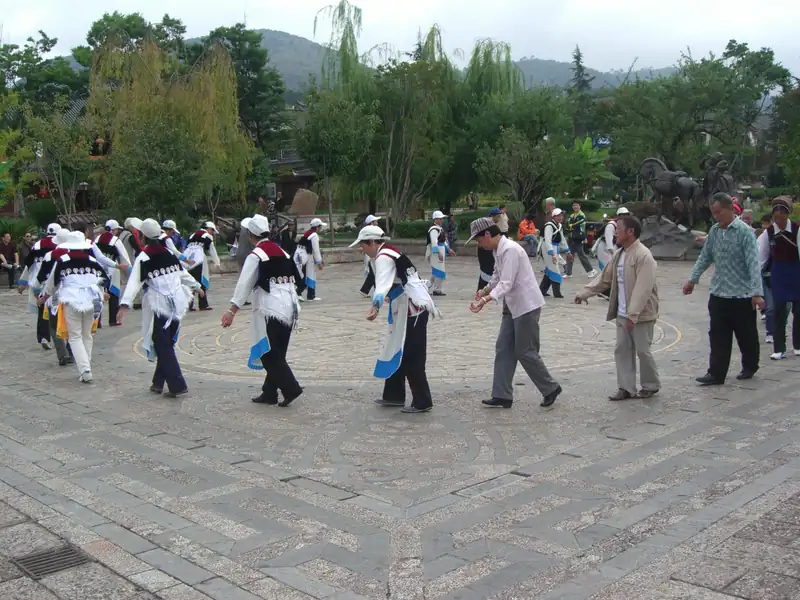
After dinner, groups of mostly retired women set up a speaker in a square or park and dance set routines to Chinese pop, folk songs and whatever is trending. A regular teaches you one routine first, then you slot into the back row and follow along. In Lijiang and Dali, the music sometimes switches to local circle dances that everyone joins hand in hand.

Good for: Groups, families, solo travelers who want to meet people

Etiquette and what to know

No skill needed and nothing to pay; it's a public space. Dancing usually starts once dinner is over, often around 8 p.m. (later in summer), and most groups pack up within an hour or two. Ask before filming individual dancers.

Kunming, Dali, Lijiang, Jinghong and most cities

Ask to arrange this
Learn mahjong over an evening

Everyday life · 2–3 hours

Learn mahjong over an evening

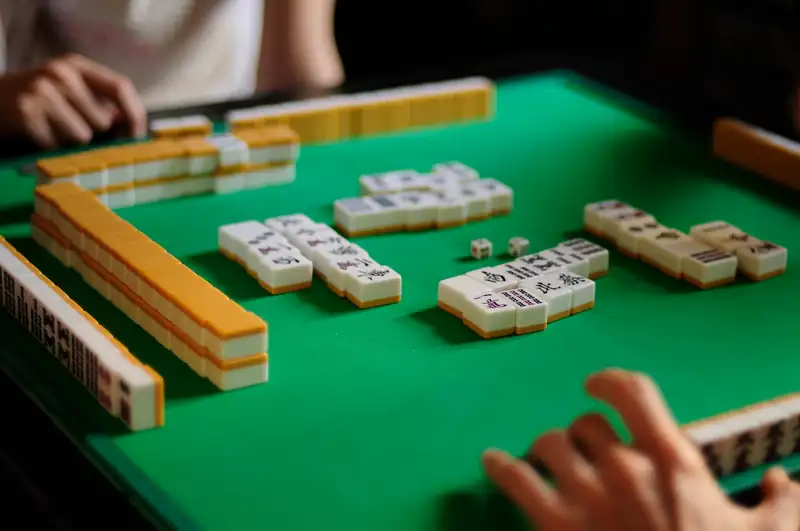
Mahjong is how much of Yunnan spends its evenings and weekends, in living rooms, teahouses and card rooms, to the clatter of shuffled tiles. A local family or a teahouse regular teaches you the tiles and the local rules at a real table, over tea and sunflower seeds, until you can play a full round on your own.

Good for: Families, groups of four, board-game fans

Etiquette and what to know

Rules differ from city to city, and from any version you know at home; you learn the local one. We play for points, not money. Give it a few rounds before it clicks.

Kunming, Dali, Lijiang and most cities, at a family home or teahouse

Ask to arrange this
Fortune sticks and the I Ching, as culture

Temples & beliefs · About 2 hours

Fortune sticks and the I Ching, as culture

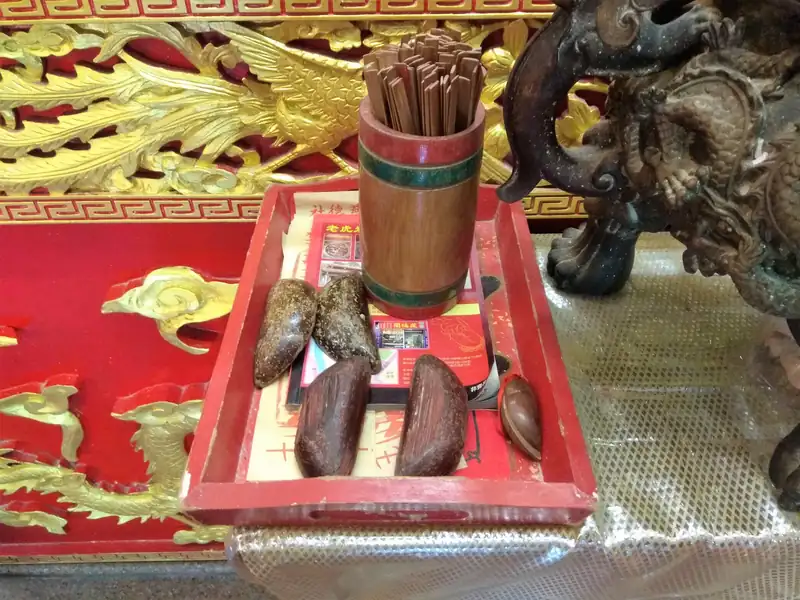
Fortune-telling runs deep in Chinese life, from shaking a bamboo cylinder at a temple until one numbered stick falls out, to tossing coins to build a hexagram from the I Ching (Book of Changes), a text about 3,000 years old that shaped both Confucian and Taoist thought. With a knowledgeable local you try both, learn to read the verse you draw, and hear how families still consult them before weddings, moves and big decisions.

Good for: The curious, readers of Chinese philosophy, anyone who enjoys a long conversation

Etiquette and what to know

We treat this as culture and a prompt for reflection, not prediction, and make no claims about accuracy. Be wary of fortune-tellers near temple gates who warn of bad luck and then ask for money to fix it; it's a well-known trick.

Kunming, Dali, Lijiang and other cities on request

Ask to arrange this
Visit a Buddhist temple with someone who knows the etiquette

Temples & beliefs · 2–3 hours

Visit a Buddhist temple with someone who knows the etiquette

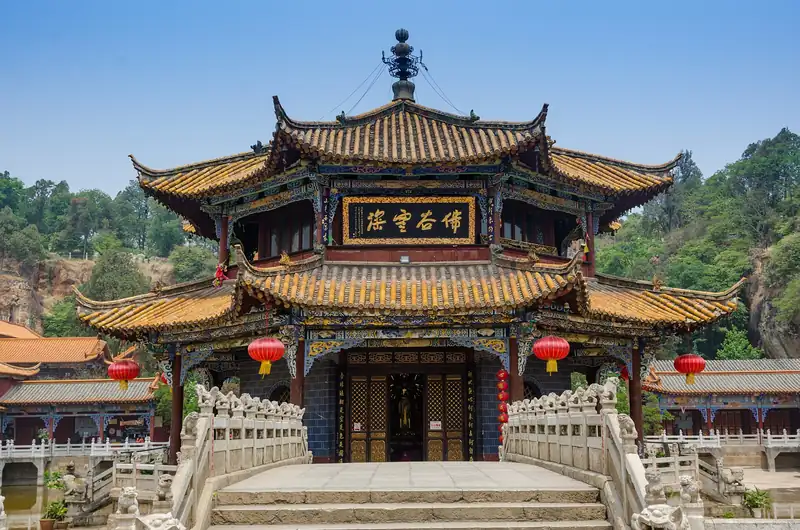
Yunnan is the only Chinese province where all three main branches of Buddhism live side by side: Chinese Mahayana in the cities, Tibetan in the northwest and Theravada among the Dai in the south. Kunming's Yuantong Temple, founded under the Nanzhao kingdom some 1,200 years ago, brings all three together, including a Theravada hall with a bronze Buddha given by Thai Buddhists in 1985, and unusually you walk downhill from the gate to the main hall. A local guide shows you how to behave in each tradition: which way to walk, where to leave your shoes, how to offer incense and when to put the camera away.

Good for: First-time visitors to China, travelers heading on to Shangri-La or Xishuangbanna

Etiquette and what to know

Cover shoulders and knees. Walk clockwise around Tibetan stupas and prayer wheels. Take your shoes off in Dai temple halls, and women should not touch monks or hand them things directly. Don't point your feet at an altar, and ask before photographing monks or the inside of halls.

Kunming (Yuantong Temple 圆通寺), Dali, Shangri-La, Xishuangbanna, Mangshi

Ask to arrange this
Calligraphy with a local teacher

Crafts & arts · About 2 hours

Calligraphy with a local teacher

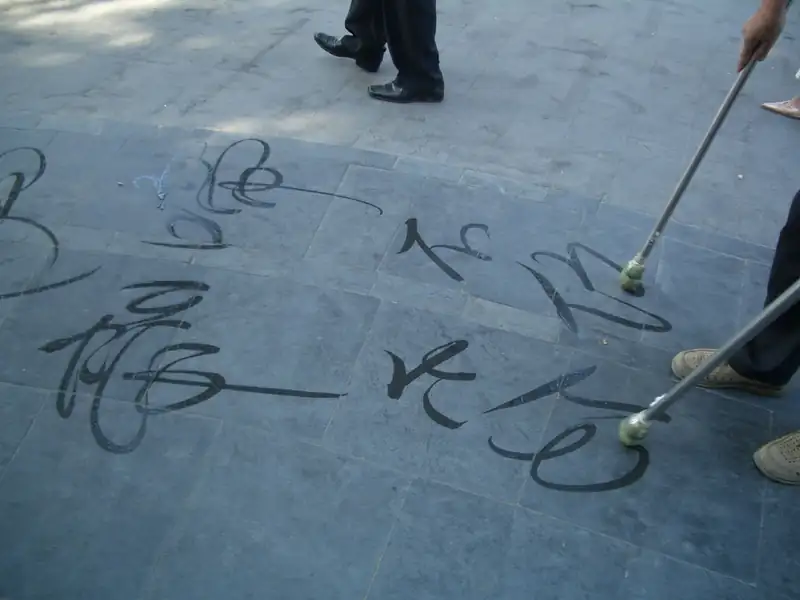
A calligraphy teacher shows you how to hold the brush upright, grind ink and build a character stroke by stroke in the right order, then helps you write your name or a lucky phrase to take home. Before or after, look for retirees practicing water calligraphy on park paving with big sponge-tipped brushes, their characters fading as they dry.

Good for: Families, artists, anyone learning Chinese

Etiquette and what to know

No Chinese needed, and your teacher can make sure the phrase you choose means what you think it means. Around Lunar New Year, you can write a pair of New Year couplets for your own front door.

Kunming, Dali, Lijiang, Jianshui and other cities

Ask to arrange this
Bai tie-dye in Zhoucheng

Crafts & arts · Half day

Bai tie-dye in Zhoucheng

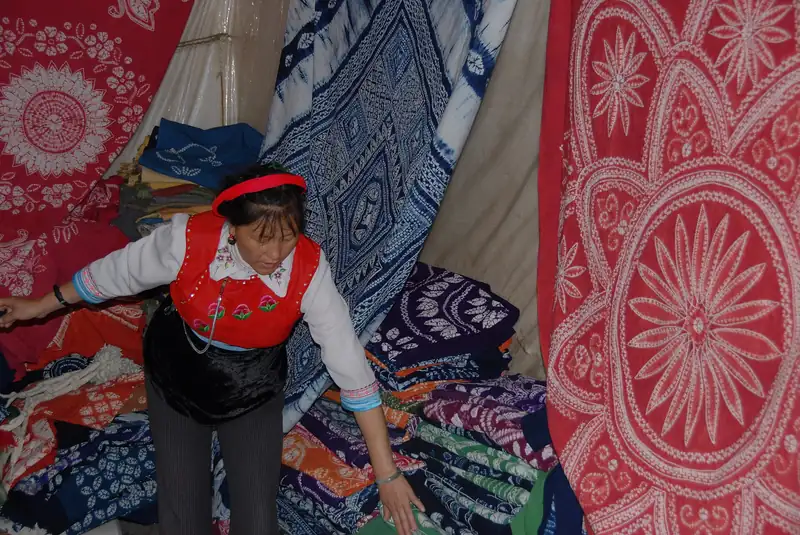
Zhoucheng, the largest Bai village in China, is the heartland of Bai tie-dye, a technique on China's national intangible-heritage list since 2006. In a family workshop you draw a pattern, stitch and bind the cloth tight, dip it again and again in indigo, then cut the threads to see what appeared. Pair it with the courtyards and flatbread of Xizhou just down the road.

Good for: Families, makers, anyone spending a day on Erhai's northwest shore

Etiquette and what to know

Indigo stains your fingers for a day or two. Many shops now use synthetic dyes; ask for a workshop that still dyes with plant indigo if that matters to you. Your piece needs rinsing and drying, so plan to collect it later in the day.

Zhoucheng village, about 5 km north of Xizhou, Dali

Ask to arrange this
Jianshui purple pottery and tile cats

Crafts & arts · Half day

Jianshui purple pottery and tile cats

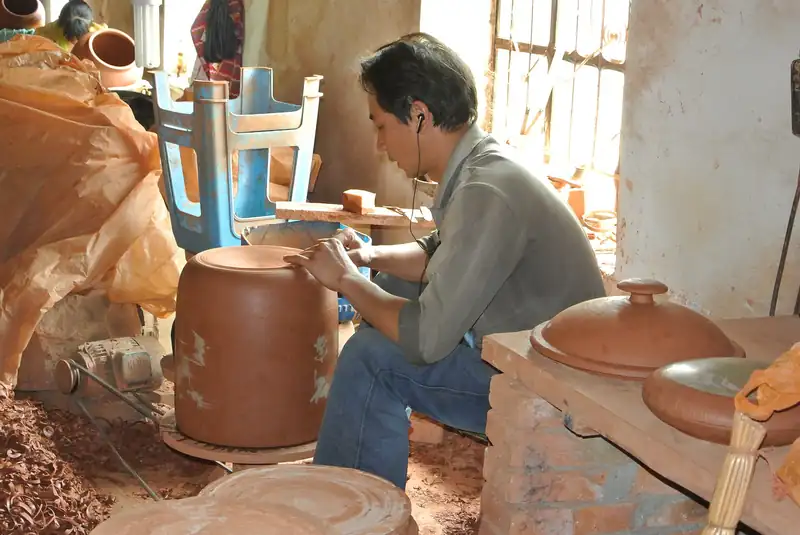
Jianshui purple pottery, counted among China's four famous potteries, is made from the area's iron-rich local clay, carved with calligraphy or painting, inlaid with clay of another color, fired without glaze and polished by hand until it gleams like stone; Yunnan's classic steam pot comes from here. In a studio you can try carving and inlay, or model a tile cat, the wide-mouthed, fierce-faced guardian that Yunnan households set on their roof ridges to ward off bad luck.

Good for: Makers, families, anyone on the southeast route through Jianshui and Yuanyang

Etiquette and what to know

Your piece has to dry and be fired, which takes days. Studios can ship within China, but sending pottery abroad is slow and risky, so buying a finished piece may be the easier souvenir.

Jianshui old town and Wanyao village 碗窑村, a short ride northwest of it, Honghe

Ask to arrange this
Write your name in Naxi Dongba script

Crafts & arts · About 2 hours

Write your name in Naxi Dongba script

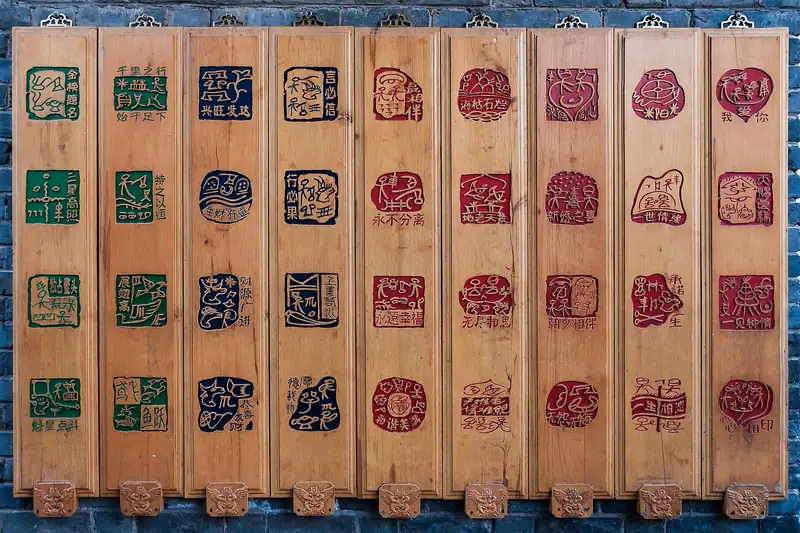
Dongba, the script of Naxi priests, is often described as the world's last living pictographic writing, and its manuscripts have been on UNESCO's Memory of the World register since 2003. With a Naxi teacher you learn how drawn signs for sun, water, mountain and person combine into words, write your own name, and hear what the ritual texts were written for.

Good for: Families with kids, language lovers, anyone spending more than two days in Lijiang

Etiquette and what to know

Old-town stalls will paint your name in 'Dongba' in two minutes; a session with a teacher is slower and tells you what you are actually writing. Handmade Dongba paper, made from the bark of a local shrub, is a light souvenir.

Lijiang: old town, Baisha or Yuhu village

Ask to arrange this

How it works

Tell us which experiences you’d like, the city and your dates. We match you with a family, teacher or practitioner we know, agree the plan and price with you in writing, and send a guide or translator app tips if you want them. Hosts are families, teachers and practitioners we know, paid for their time.

Ask about an experience