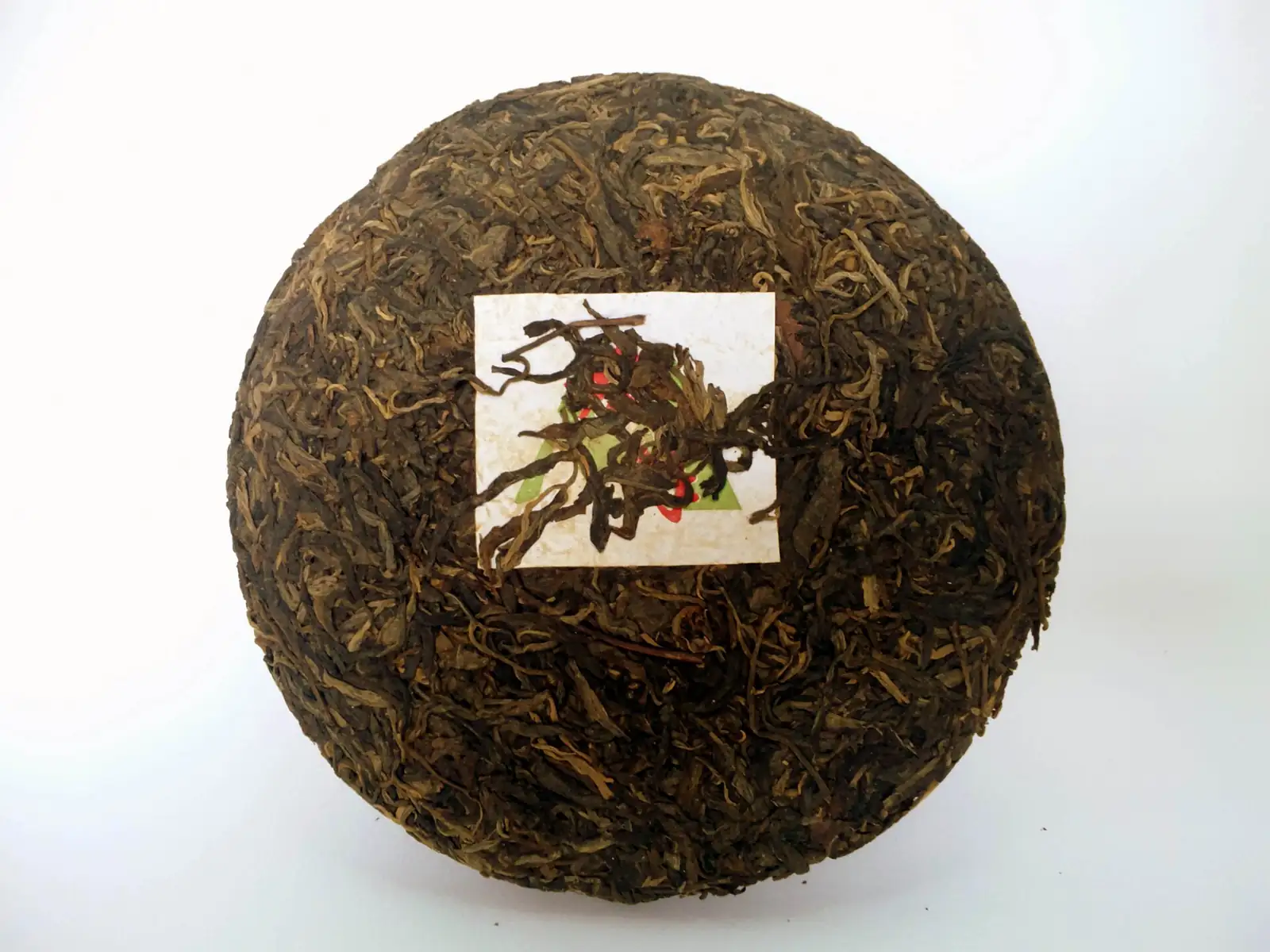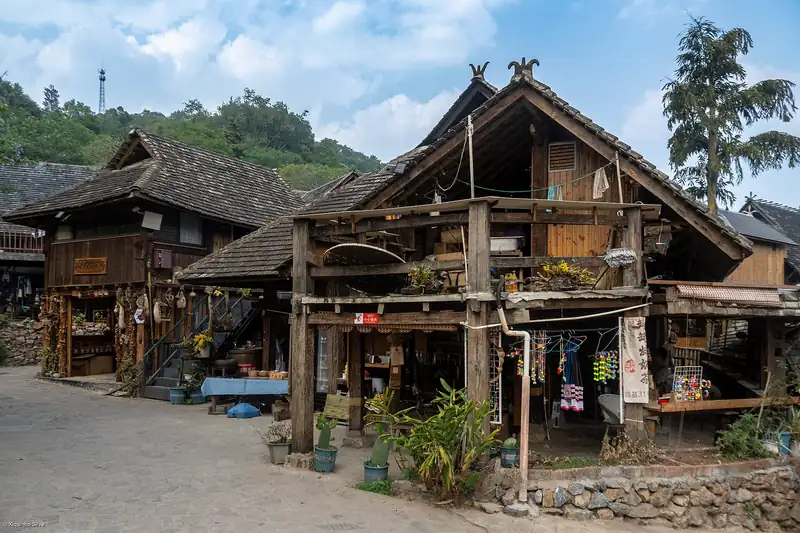
Pu'er gave its name to China's most collected tea. The city itself, called Simao 思茅 until 2007, is green and low-key at about 1,300 m. The reason to come is Jingmai Mountain 景迈山, about 3–3.5 hours southwest by road, where Bulang and Dai villages sit inside forests of old tea trees. In 2023 it became the first tea landscape on the UNESCO World Heritage list.
Most visitors come on the southern loop from Kunming through Pu'er to Xishuangbanna, and describe it as the easy, uncrowded alternative to the Dali–Lijiang circuit. The prefecture also reaches west to the Dai chieftain town of Menglian and north to Mojiang, where the Hani black-face festival takes over the May Day holiday.
How locals do it
They treat Pu'er city as a train stop and head straight up the mountain for at least one night, ideally two. Jingmai's villages sit along one road about ten minutes apart by car, climbing from Nuogan to Wengji to Manghong, and where you sleep shapes the trip:
- Nuogan 糯干古寨: the lowest, a Dai village tucked in a fold of the hills. No cloud-sea views, but old wooden houses and the calmest evenings, for tea and doing nothing.
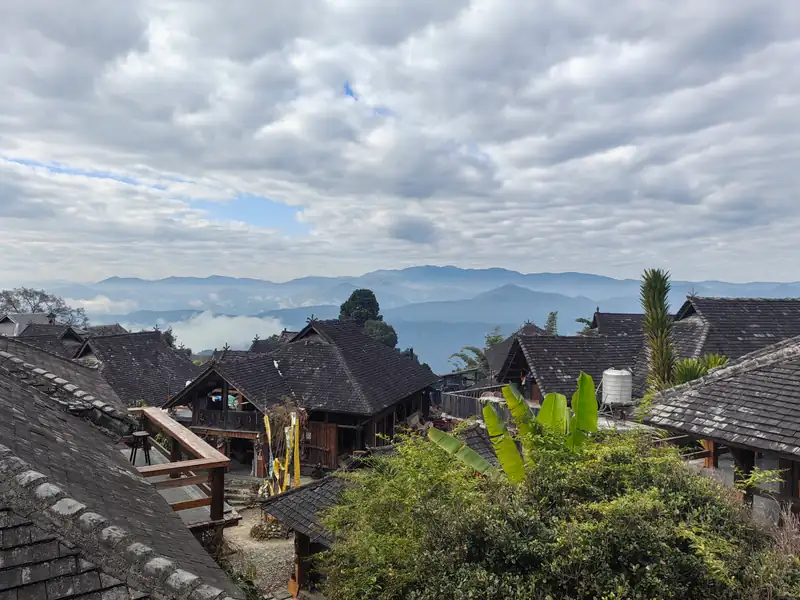
- Wengji 翁基古寨: the famous Bulang village, with the best guesthouses and easiest meals. Also the most commercial, with one lane in and out, scarce parking and bags to haul.
- Manghong 芒洪: the highest, with the best cloud-sea views and easy parking. The most rustic; stays are scattered, and pricier hotels line the outer main road.
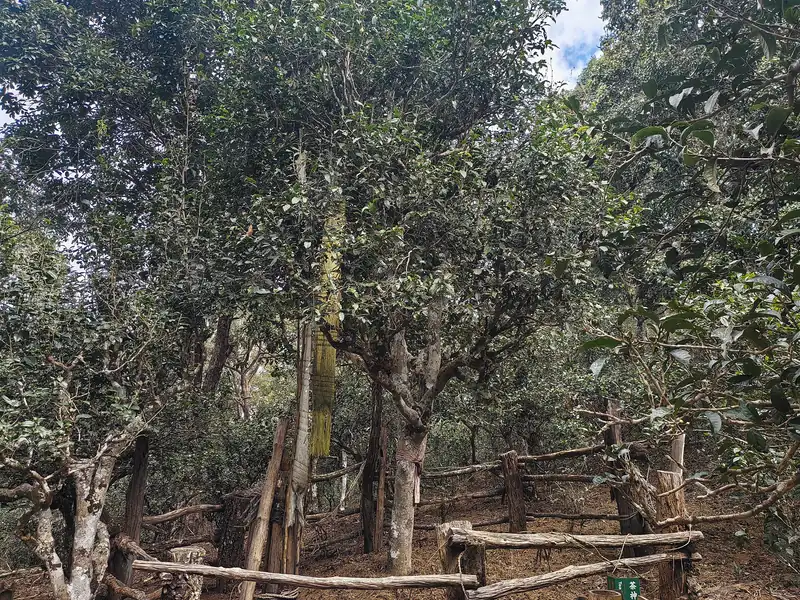
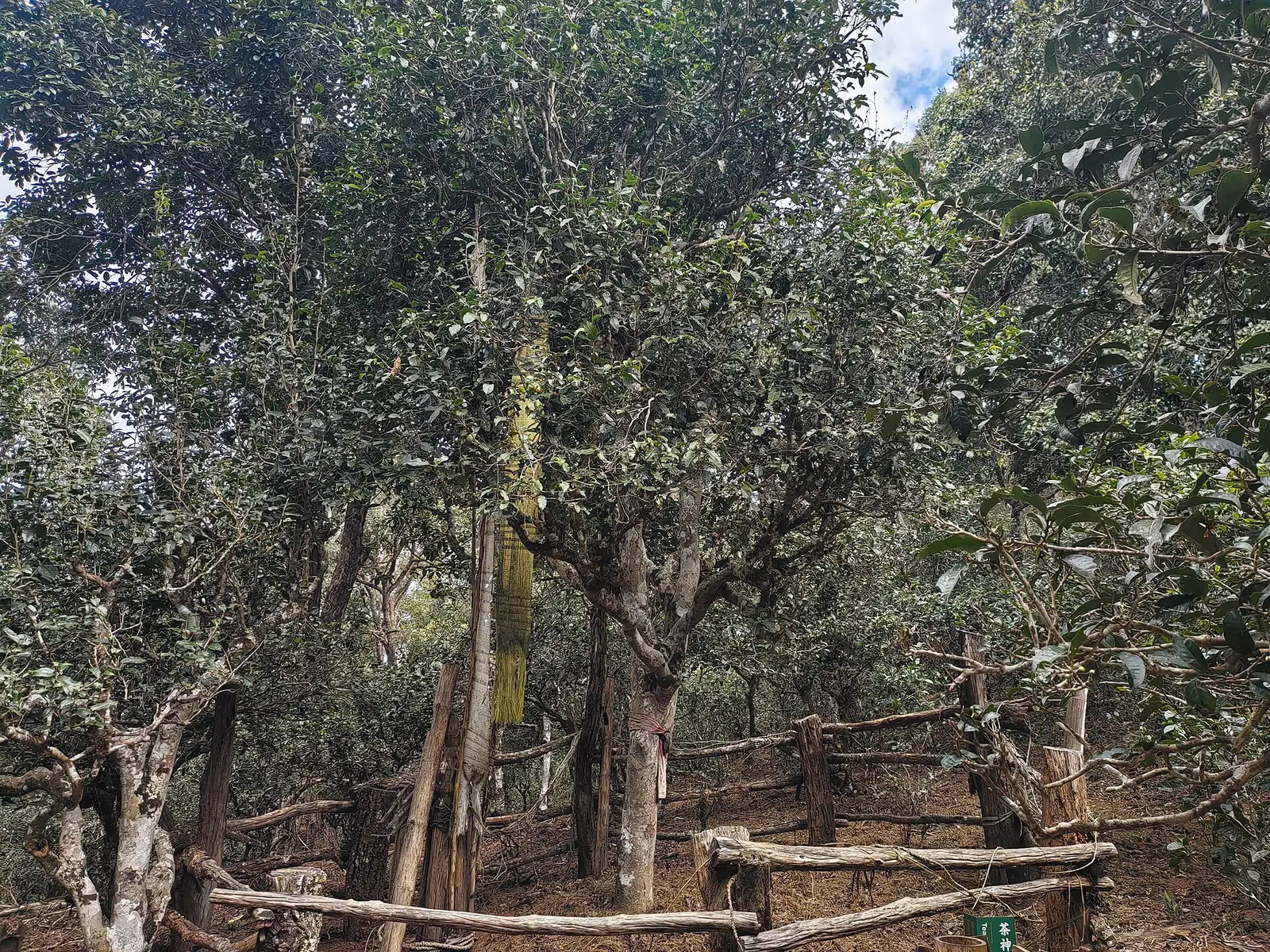
A day on the mountain runs roughly like this: the golden pagoda and a stretch of old Tea Horse Road at Jingmai Dazhai 景迈大寨; a coffee; the viewpoint above Nuogan; tea in whichever Wengji house invites you in, with leaves drying on every tray; the giant bee trees at Mangjing 芒景; then the tea-ancestor tree at Manghong, where families sell old-tree tea cakes. One full day covers it and a day and a half is comfortable. Those who love it stay longer and do less.
Come in March or April to see spring picking, or ask us about tea experiences with a local family. Around May 1, add Mojiang for its festival; see festivals for dates.
Where locals eat
Prices as of 2026; check before you go.
Yiduojun, Manghong 芒洪 一朵菌
The Manghong restaurant people post about most, built around mushrooms. In the rainy season fresh wild varieties appear; the rest of the year it's dried and cultivated ones.
Jiashe tea-and-wine bar 芒洪 槚蔎茶酒馆
A small Manghong bar serving tea and drinks, where travelers gather for sunset over the tea hills. Benwu 本无酒馆 nearby is the alternative.
Roasted milk tea 烤奶茶
The drink to try on the mountain: milk tea made with roasted tea leaves, sold at village cafés and guesthouses.
Beiguicang Coffee 北归仓咖啡
A café to fit into your Jingmai day. Pu'er is China's biggest coffee-growing area, and a cup here beats a tour of an estate.
Pineapple rice in Nayun 娜允古镇 菠萝饭
Sticky rice steamed in a hollowed pineapple, eaten opposite the old chieftain's palace in Menglian's Nayun Old Town.
Hani long-street banquet, Mojiang 墨江 哈尼长街宴
During the May festival, tables run down the folk pedestrian street for a shared Hani feast. About ¥80 per person, or about ¥560 for a table.
Simao home cooking 思茅菜
In Pu'er city, eat where locals queue and order stir-fried Pu'er chicken 普洱小炒鸡, mint-fried ribs 薄荷炸排骨, water fern with tomato 番茄炒水蕨菜 and banana flower 芭蕉花.
Hidden corners and free viewpoints
Behind Manghong's octagonal pagoda 芒洪八角塔
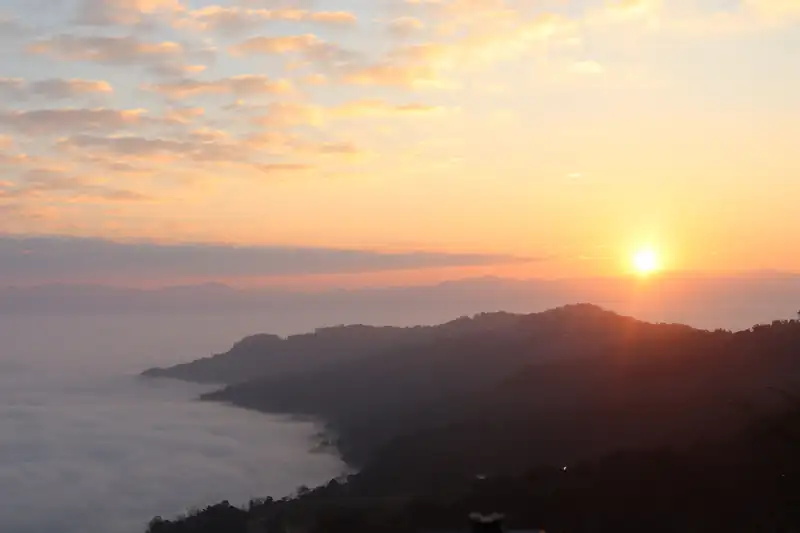
At about 7:30 am, walk up the slope behind the pagoda. On clear mornings cloud fills the valleys and the tea hills float above it.
Nuogan viewpoint 糯干古寨观景台
A lookout above Nuogan's dark tiled roofs and the tea hills around them, and the easiest wide view of a Jingmai village.
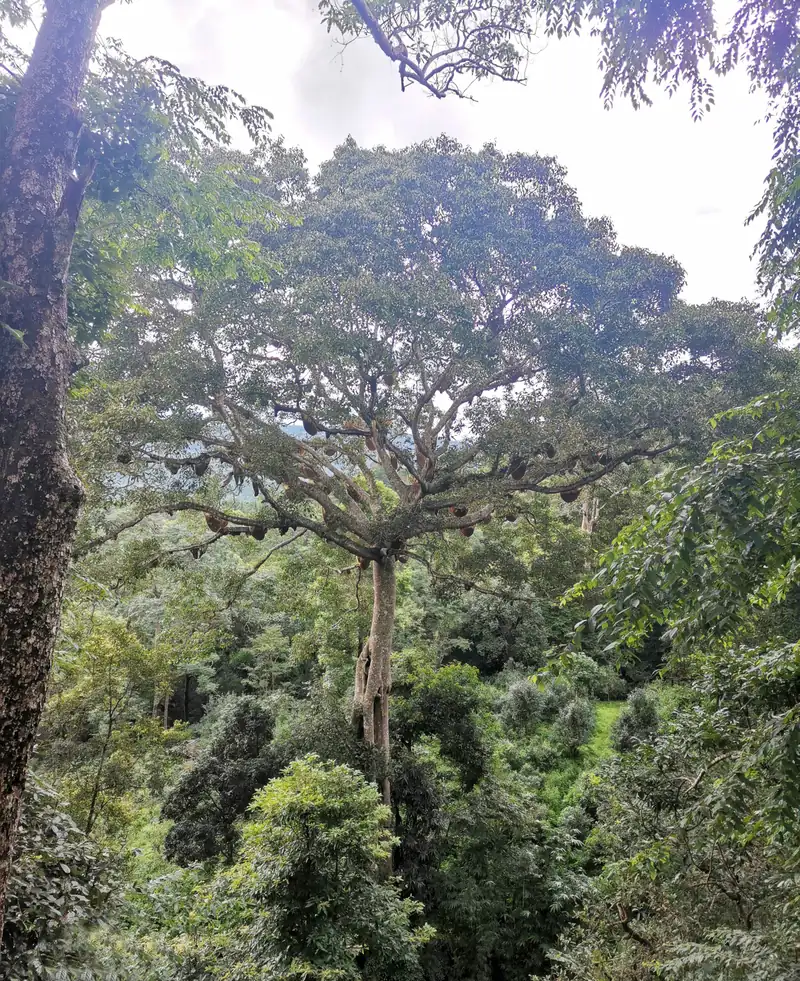
Mangjing's bee trees 芒景 蜂王树
Huge old trees hung with dozens of wild honeycombs, which visitors call the most striking sight on the mountain. The Princess Banyan 公主榕 is close by.
Laodabao 老达保
A Lahu village in the same county, known for villagers who play guitar and sing their own songs. Ask locally about performance times.
Nayun Old Town, Menglian 孟连 娜允古镇
The hillside seat of Menglian's Dai chieftains, with the chieftain's palace 宣抚司署 above a small old town. It sees far fewer visitors than Jingmai.
Honest verdicts
- Jingmai Mountain: worth two nights if you enjoy tea and slow days; travelers who wanted big sights call it boring.
- Manghong dawn cloud sea: free, most reliable in winter, and gone by mid-morning, so sleep in Manghong.
- Wengji as a base: the best rooms and food on the mountain, but the most commercial and awkward with a car or luggage.
- Mojiang black-face festival: worth planning around if you're in Yunnan in early May, as long as you book a room weeks ahead.
- Coffee-estate tours near Pu'er city: reviews are lukewarm, and a café on Jingmai is a better taste of Pu'er coffee.
- Nakeli 那柯里: this old Tea Horse Road post north of the city, with its covered bridge, makes a pleasant hour on a drive, but not a day.
Getting there and around
- By train: Pu'er Station 普洱站 is on the China–Laos railway, about 2.5–3 hours from Kunming (from Kunming Station or Kunming South; check your ticket) and about an hour from Xishuangbanna. Mojiang has its own station on the same line. See trains.
- By air: Pu'er Simao Airport has flights from Kunming. Lancang Jingmai Airport 澜沧景迈机场, about 70 km (roughly 1.5 hours) from the mountain, has a few routes.
- To Jingmai: About 3–3.5 hours (roughly 240 km) by road from Pu'er city, or about 130 km and under three hours from Jinghong in Xishuangbanna. Direct buses run from Pu'er, with tickets in the 金孔雀票务 WeChat mini program, but most people hire a driver to get between the villages. Our tea mountains route covers the logistics.
- On the mountain: Local drivers charge about ¥15–25 a hop, and guesthouses rent e-scooters. Vehicle, entry and booking rules have changed several times since 2024, so check with your guesthouse before you arrive.
- Papers: Roads in this border region have police checkpoints; carry your passport. See safety.