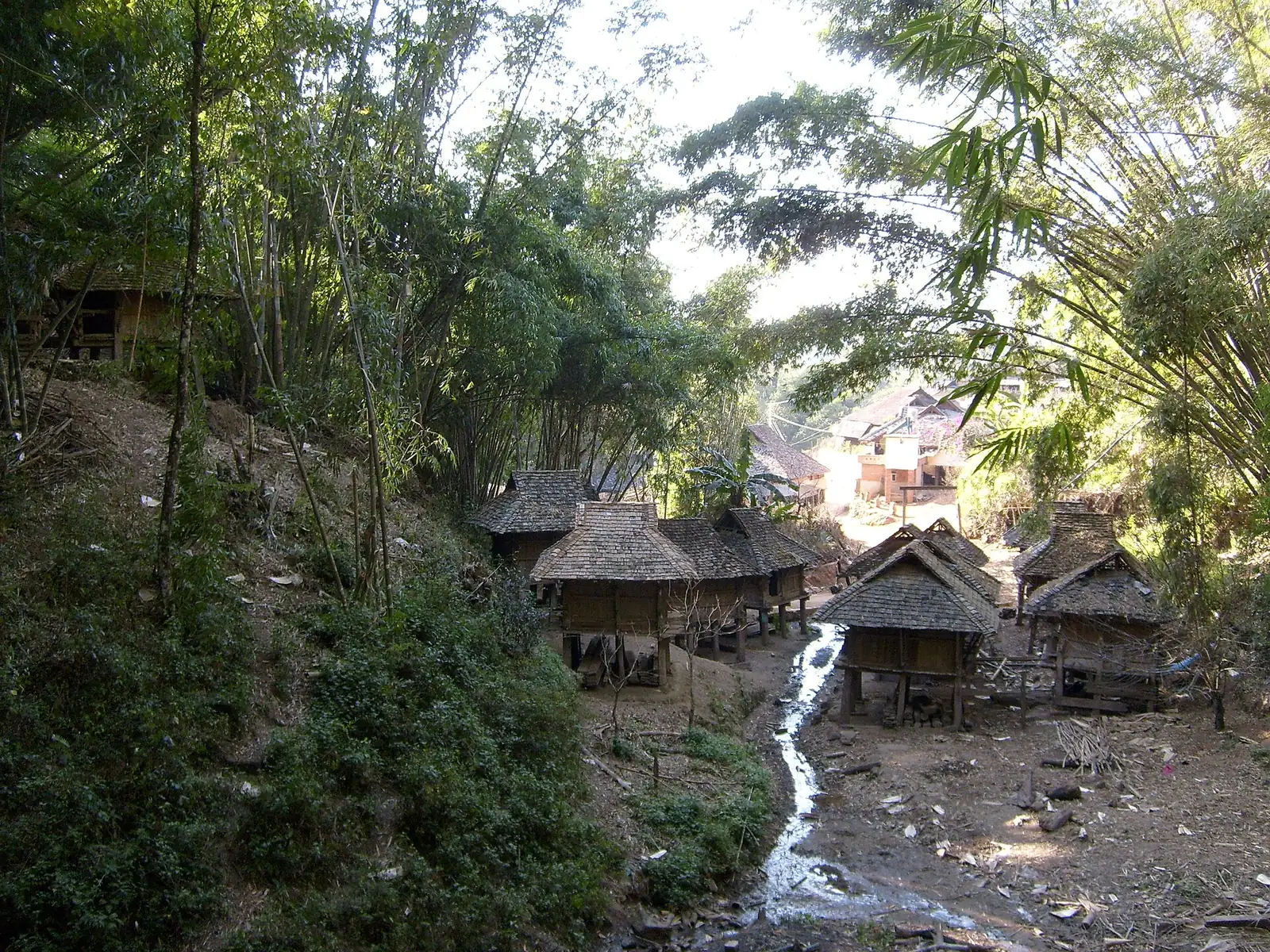
Golden Week, 1–7 October: trains, hotels and Jade Dragon tickets sell out. If you can, start your trip after 8 October. Updated 25 Sep

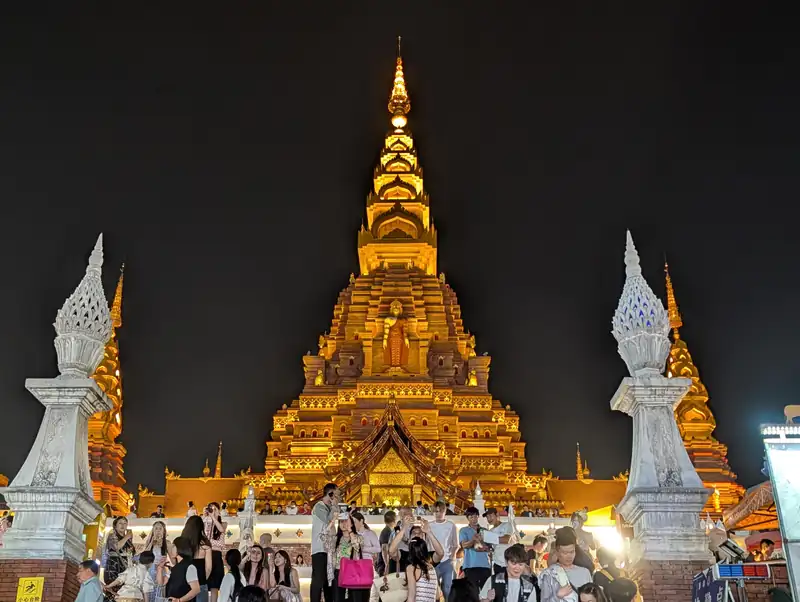
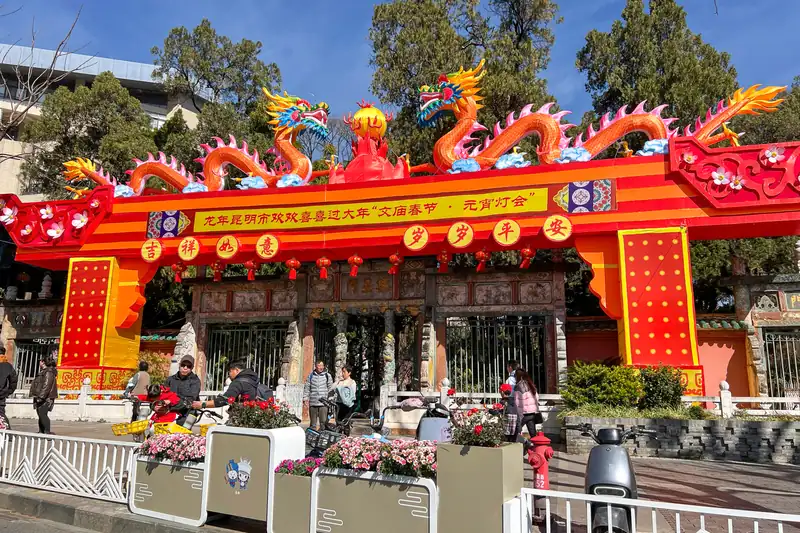
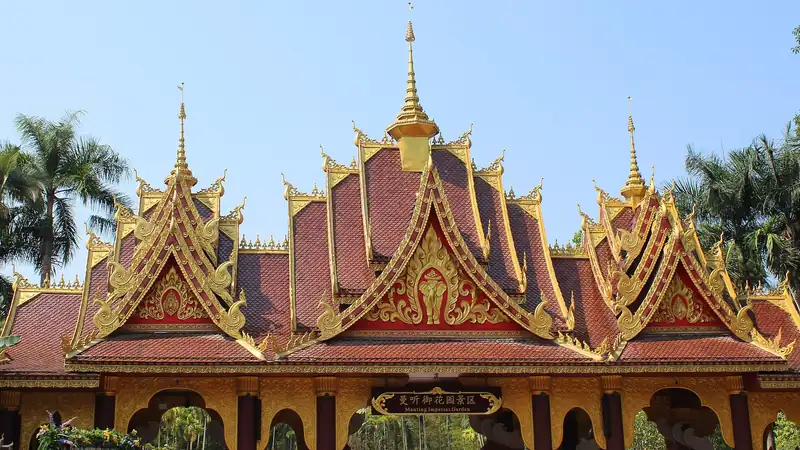
Tiered red and gold Dai-style roofs over the gate of Manting Park in Jinghong

Classic · Prefecture · 西双版纳

Xishuangbanna

Dai temples, rainforest walks and night-market dinners in Yunnan's tropical south.

Photo: AgathaMayJr, CC BY 4.0

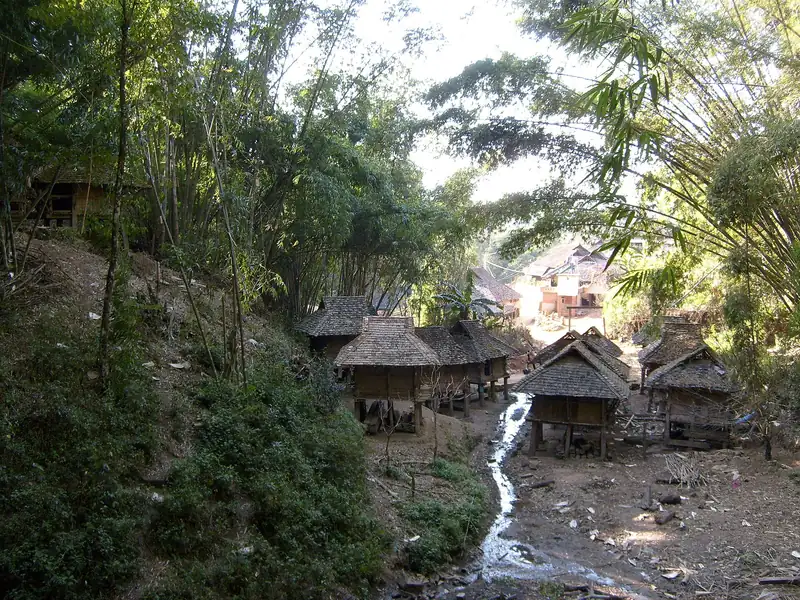
Xishuangbanna is Yunnan's tropical corner, pressed against Laos and Myanmar on the Lancang River 澜沧江, the upper Mekong. It is the homeland of the Dai people, whose gilded Theravada temples, stilt houses and sour, herby cooking feel closer to northern Thailand than to Kunming.

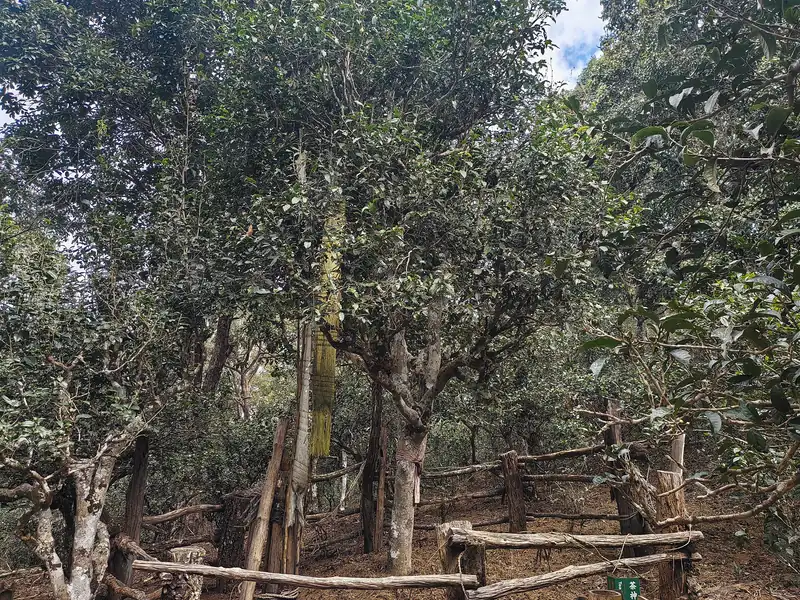
People come for warmth in winter, Dai food and green: rainforest, botanical collections and the old tea trees of Menghai. The prefecture has three parts: Jinghong 景洪, the capital on the river; Menghai 勐海, tea country in the western hills; and Mengla 勐腊, the forested southeast toward Laos. Our Xishuangbanna guide covers Jinghong in depth.

How locals do it

The pattern is consistent: base in Gaozhuang 告庄西双景, the new Dai-style quarter by the river about 15 minutes from the airport, and stay four or five nights instead of changing hotels. Then plan each day around the heat.

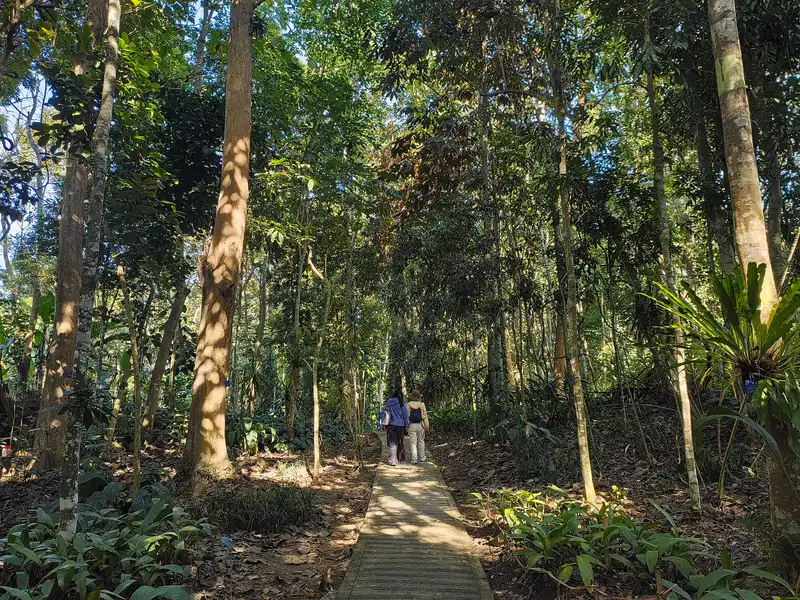
  • Out early. The Tropical Botanical Garden in Menglun 勐仑 is about 1.5 hours away, and arriving at opening means cooler trails. The guided rainforest walk on Jinuo Mountain 基诺山 is also a morning job.
  • Midday off. From March the sun is fierce, and visitors retreat to the hotel pool or a dessert shop until about 4 pm.
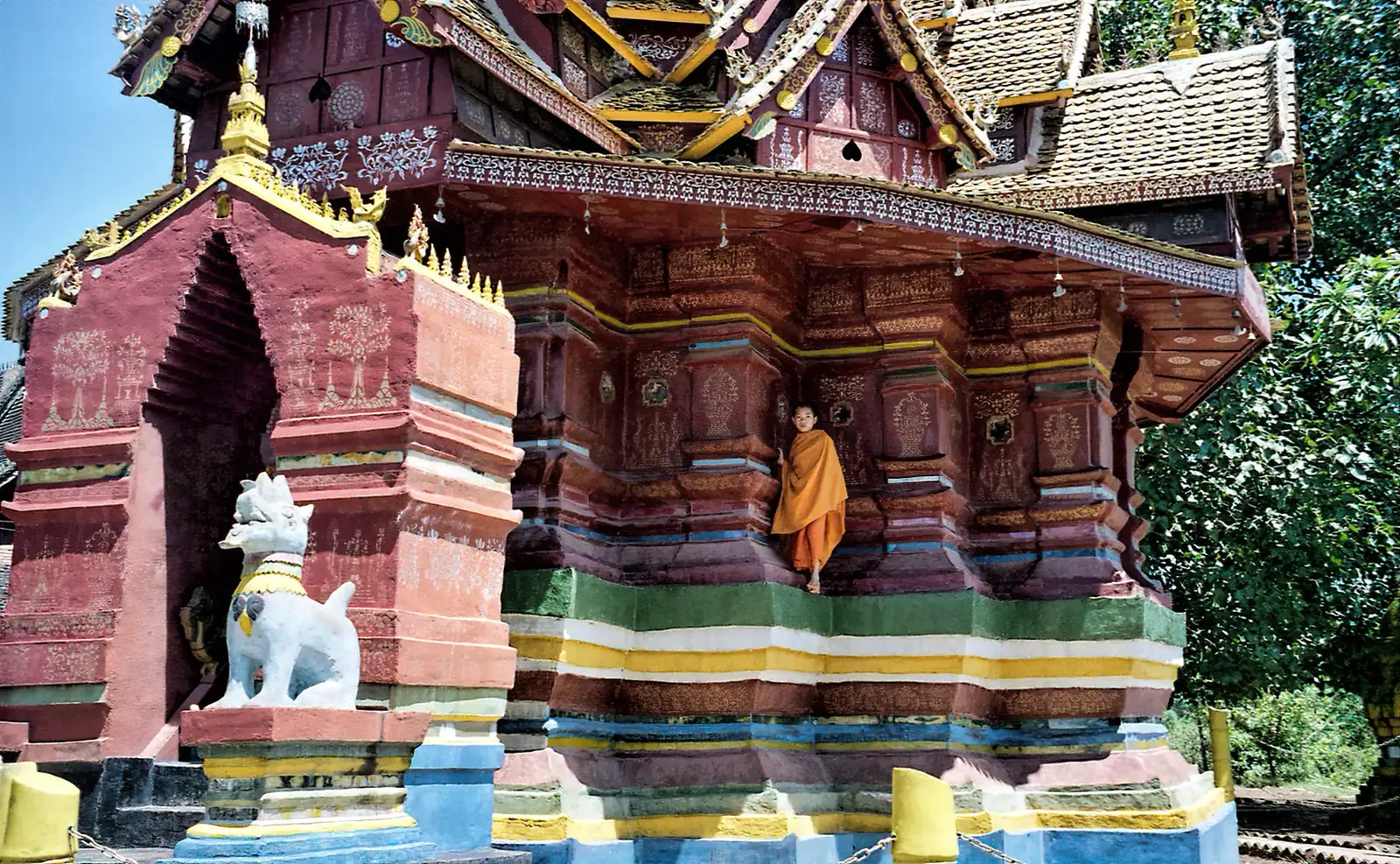
  • Temples in the afternoon. Manting Park 曼听公园 and Zongfo Temple 总佛寺, the region's main Theravada temple, are best from about 3 pm; the park closes around 5.
  • Evenings by the river. Sunset on the Lancang, then dinner at the night market or a Dai restaurant.

Slower travelers add a night or two in Menghai for the old tea forests of Nannuo Mountain 南糯山 and the Bulang village of Zhanglang. Many then head northwest to the World Heritage tea villages of Jingmai Mountain in Pu'er, about 130 km and under three hours by road. Our tea mountains route links the two.

November to March is peak season, when visitors from northern China fly south for the warmth, and the Spring Festival week is the most crowded and expensive of the year. The Water-Splashing Festival around April 13–15 is the other big draw; see festivals for dates.

Where locals eat

Prices as of 2026; check before you go.

Starlight Night Market 告庄星光夜市

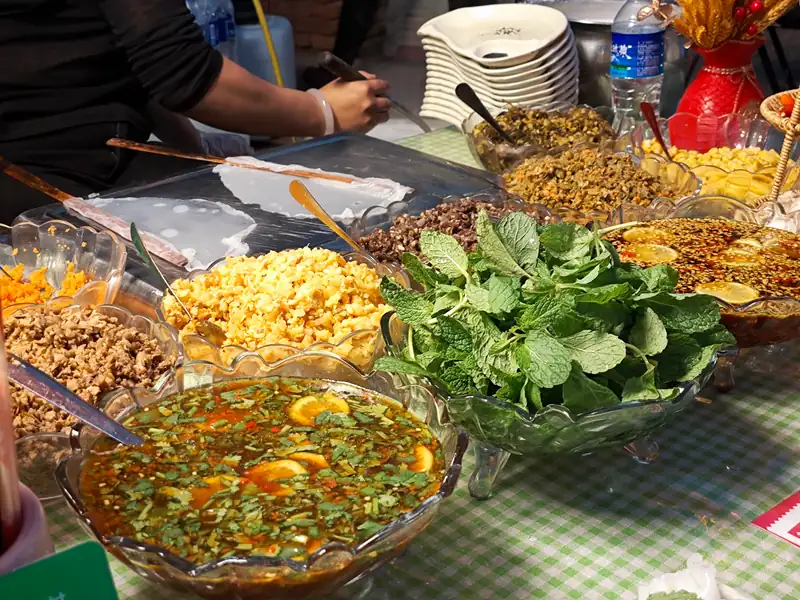
Gaozhuang's big evening market. Graze from stall to stall: lemongrass-stuffed grilled fish, skewers, pineapple rice, mango sticky rice and cut tropical fruit. Skip the clothes and souvenir stalls.

Evenings · On foot from Gaozhuang hotels · Packed on holidays

Mandou Dai Garden Restaurant 曼斗傣味花园餐厅

A garden restaurant in Jinghong's Mandou area, popular for sit-down Dai meals. Order pounded chicken feet 舂鸡脚, lemongrass-grilled fish 香茅草烤鱼 and sticky rice with Dai dipping sauces.

Lunch or dinner · About ¥70–80 per person · Very spicy by default

Shuidai Renjia 水傣人家

A Dai-food restaurant inside Gaozhuang, and a little cheaper. The same staples apply: pounded salads, grilled fish and porcini fried rice 牛肝菌炒饭 if you want something without chili.

Lunch or dinner · Gaozhuang · About ¥60 per person

Paoluda 泡鲁达

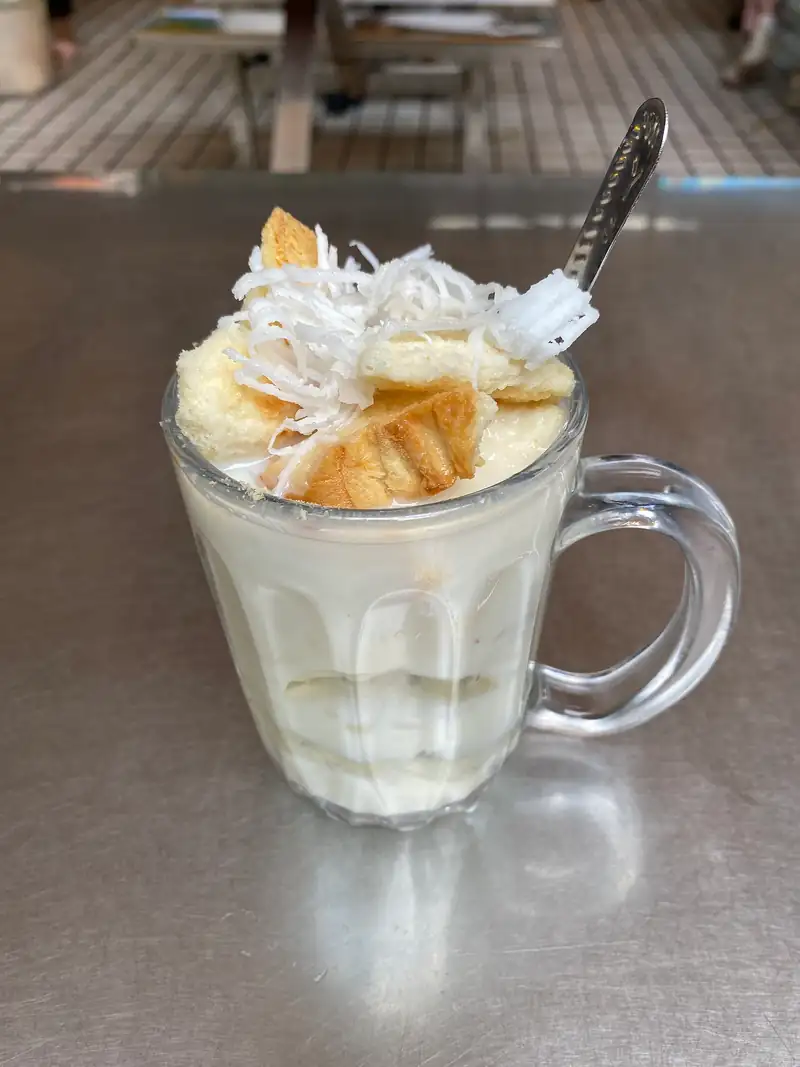
The Burmese-influenced cold dessert: coconut and sweet milk over bread chunks, sago and jelly. Every dessert shop and night-market stall sells it, and it is the standard afternoon cool-down.

Afternoon · Dessert shops · Served over ice

Yellow-cattle beef hotpot 黄牛肉火锅

Local beef simmered in an herby broth, with greens cooked in at the table. A good sit-down dinner away from the night-market crowds. From June to September, wild mushroom hotpot 菌子火锅 is the other favorite; let staff time the cooking.

Dinner · Best shared by 2–4

Dai rice-noodle breakfast 米干

Flat rice noodles in broth with pork, herbs and chili on the side, sold at morning stalls across Jinghong. Point at what the table next to you is having.

Breakfast · Morning stalls · Add chili yourself

Hidden corners and free viewpoints

The Lancang riverbank at sunset 澜沧江边

Walk the river below Gaozhuang at dusk as the city lights come on. It's free and a calmer start to the evening than the market.

1 hour · Free · Sunset

Manyuan Village 曼远村

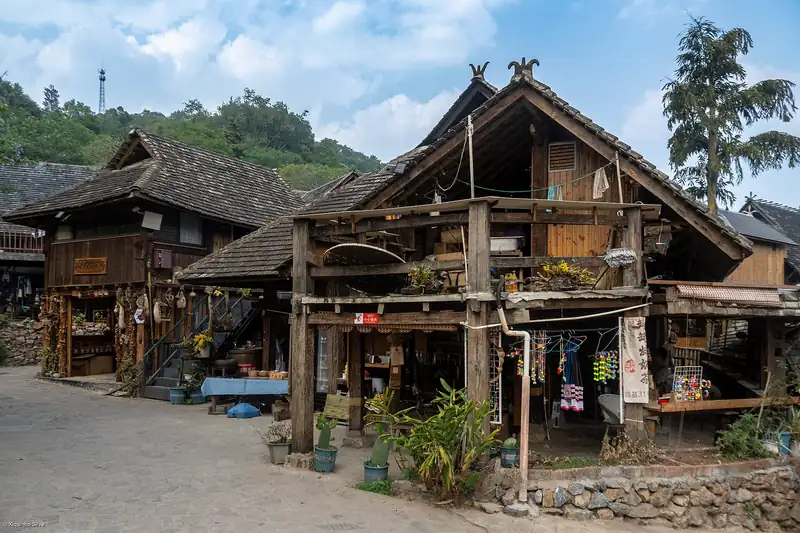
A lived-in Dai village of wooden stilt houses and a village temple. It feels more genuine than the craft villages near town. Walk quietly and ask before photographing people.

1–2 hours · Best in the morning

Zhanglang Old Village 章朗古寨

An old Bulang hill village in Menghai County with a Theravada temple that keeps Buddhist scriptures written on palm leaves 贝叶经. It's a long drive, so pair it with a night in Menghai.

Half day · Best combined with Menghai

Nannuo Mountain 南糯山

An old-tea-tree mountain on the road from Jinghong to Menghai town, with Hani villages among the trees. In spring you can watch picking and pan-firing.

Half day · Best Mar–Apr for spring tea

Manfeilong White Pagoda 曼飞龙白塔

Nine white stupas, one tall spire ringed by eight small ones, on a hill near Damenglong 大勐龙, south of Jinghong near the Myanmar border. Dai records date the founding to 1204, though what stands today has been rebuilt since. It's a long drive for one sight, so go with a driver.

Half day with the drive · Best in the morning

Honest verdicts

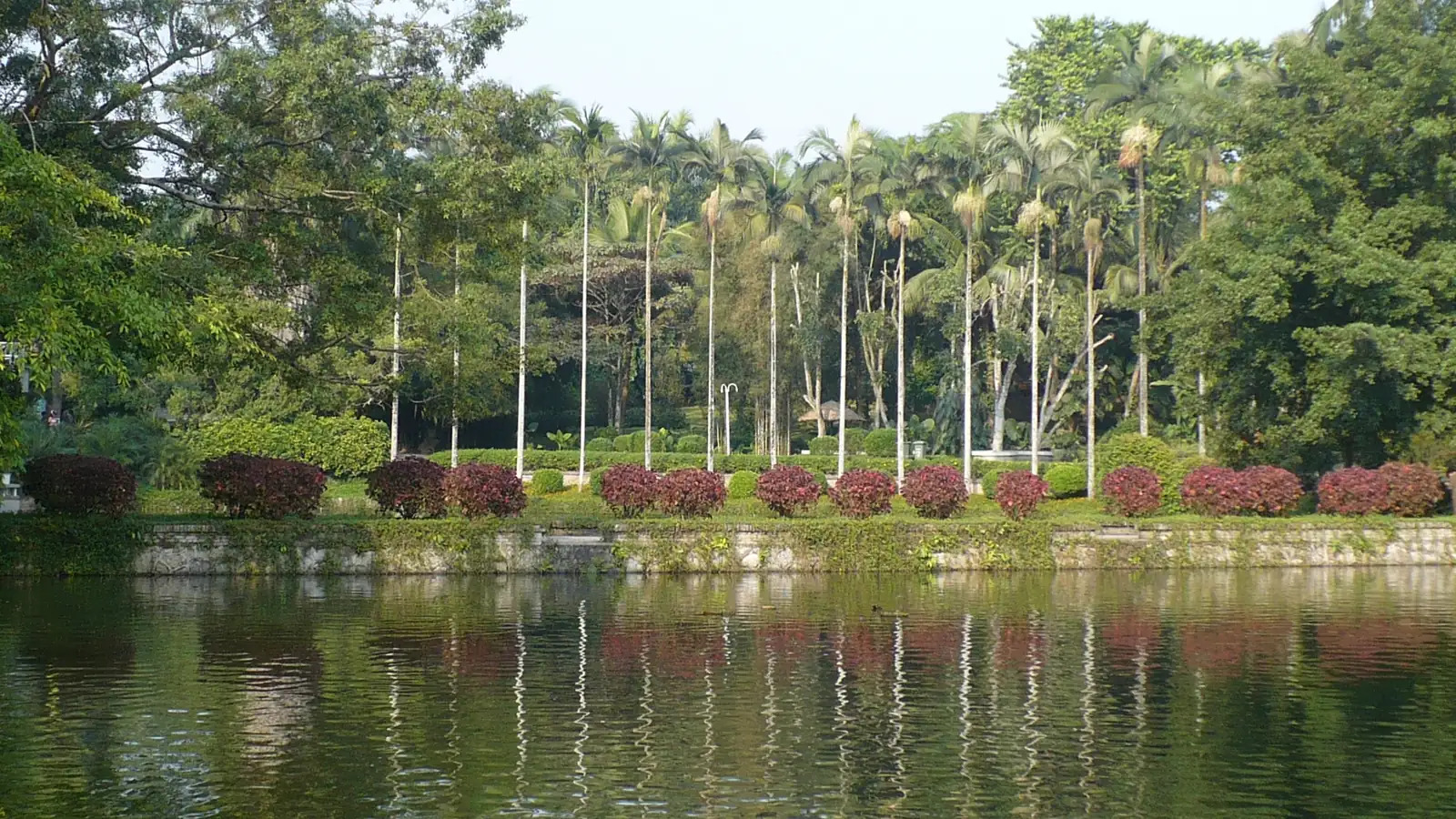
  • Tropical Botanical Garden: worth a full day, as long as you arrive at opening and use the electric carts.
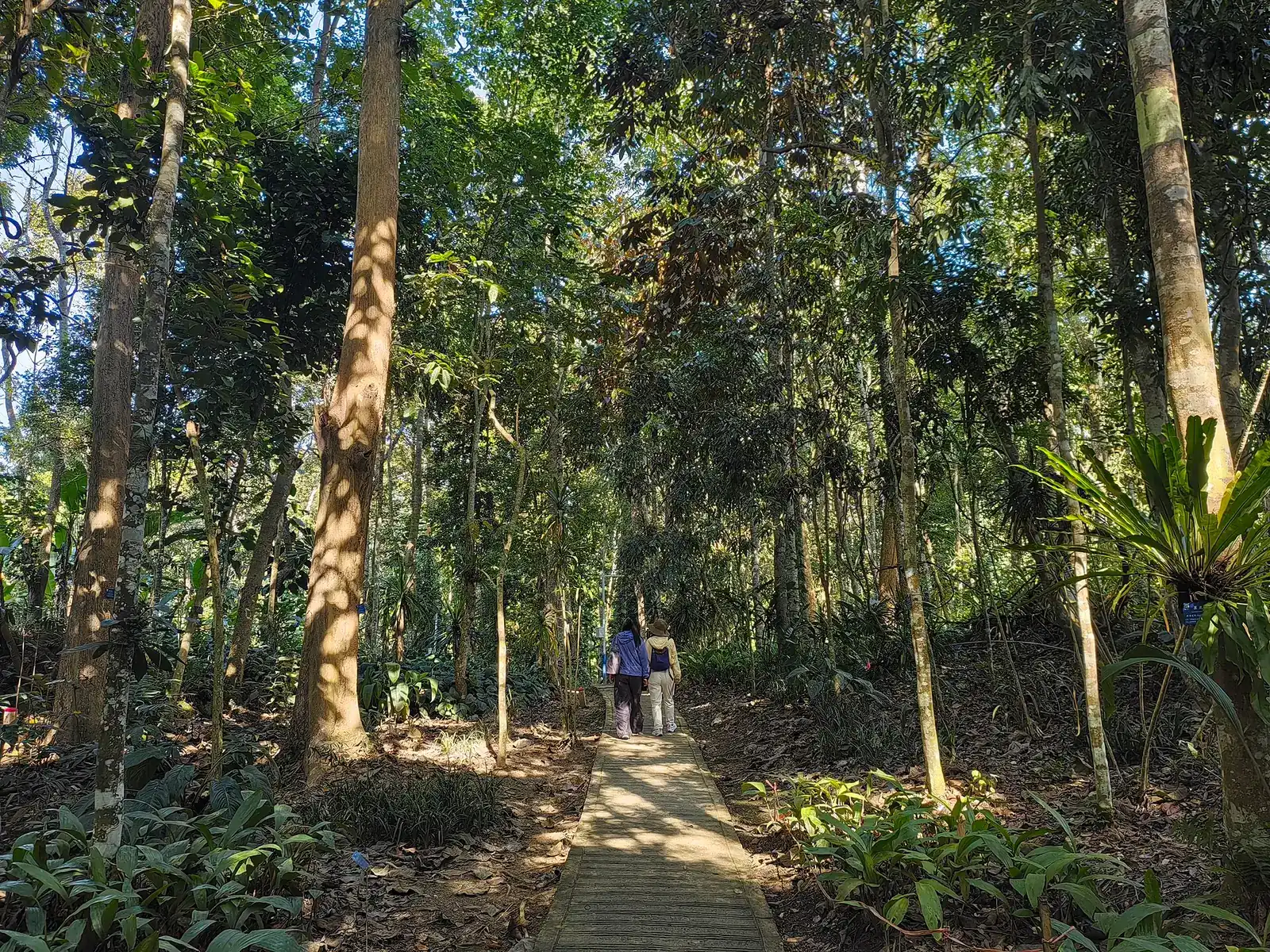
  • Jinuo Mountain rainforest walk: worth about ¥150 with a guide, because it's real forest rather than a landscaped park.
  • Starlight Night Market: a fun first evening of grilled food, but crowded and aimed squarely at visitors.
  • Water-Splashing Festival: joyful chaos in mid-April, but Jinghong hotels fill up and raise prices weeks ahead. Can't make the dates? The Dai Ethnic Park 傣族园 in Ganlanba stages splashing every day.
  • Wild Elephant Valley 野象谷: many visitors say they saw no wild elephants at all, so treat it as a forest walk with luck attached.
  • Shops your driver suggests: tea, jade and latex stores that drivers steer you to usually pay them commission; see why we skip shopping tours.

Getting there and around

  • By train: About 3–4 hours from Kunming on the China–Laos railway to Xishuangbanna Station 西双版纳站; Pu'er is about an hour up the line. Trains leave from both Kunming Station and Kunming South, so check your ticket. Book with your passport; see trains.
  • By air: Xishuangbanna Gasa Airport 西双版纳嘎洒国际机场 (JHG) has flights from Kunming and across China, and it's about 15 minutes from Gaozhuang.
  • In Jinghong: Ride-hailing works well (see payments). Ignore touts with unmarked cars at the station, and park rented e-scooters only in marked zones.
  • Day trips: For Menglun, Jinuo Mountain and Menghai, a driver hired at a fixed day rate is simplest. Agree the stops in advance.
  • Papers: Roads near the border have police checkpoints, so carry your passport on every day trip.
More notes from Xishuangbanna

Single, specific tips, the way locals pass them on. Each has the Chinese name to show a driver and a Save button.

All notes →
Base in Gaozhuang: dinner on foot, 15 minutes from the airport

StayWorth it

Base in Gaozhuang: dinner on foot, 15 minutes from the airport

Gaozhuang, Jinghong

Starlight Night Market: eat your way through, skip the clothes stalls

EatIt depends

Starlight Night Market: eat your way through, skip the clothes stalls

Gaozhuang, Jinghong

Tropical Botanical Garden in Menglun: arrive at opening, ride the carts

SeeWorth it

Tropical Botanical Garden in Menglun: arrive at opening, ride the carts

Menglun, about 1.5 h from Jinghong

Manting Park and Zongfo Temple in the mid-afternoon

SeeWorth it

Manting Park and Zongfo Temple in the mid-afternoon

Central Jinghong

Guided rainforest walk on Jinuo Mountain: long sleeves and rain boots

基诺山雨林徒步

DoWorth it

Guided rainforest walk on Jinuo Mountain: long sleeves and rain boots

Jinuo Mountain, between Jinghong and Menglun

A sit-down Dai meal at Mandou Dai Garden Restaurant

曼斗傣味花园餐厅

EatWorth it

A sit-down Dai meal at Mandou Dai Garden Restaurant

Mandou, Jinghong

Paoluda: the cold coconut-milk dessert for Jinghong afternoons

EatWorth it

Paoluda: the cold coconut-milk dessert for Jinghong afternoons

Dessert shops across Jinghong

Yellow-cattle beef hotpot for dinner, or wild mushrooms in summer

黄牛肉火锅

EatWorth it

Yellow-cattle beef hotpot for dinner, or wild mushrooms in summer

Jinghong

Breakfast like Jinghong: a bowl of Dai rice noodles at a morning stall

米干

EatWorth it

Breakfast like Jinghong: a bowl of Dai rice noodles at a morning stall

Morning stalls, Jinghong

Manyuan: a lived-in Dai village for a quiet morning

曼远村

SeeWorth it

Manyuan: a lived-in Dai village for a quiet morning

Near Jinghong

Manzhang Village: Dai crafts and cafés, not an untouched village

曼掌村

DoIt depends

Manzhang Village: Dai crafts and cafés, not an untouched village

Near Jinghong

Zhanglang: a Bulang hill village that keeps palm-leaf scriptures

SeeWorth it

Zhanglang: a Bulang hill village that keeps palm-leaf scriptures

Menghai County

Water-Splashing Festival in mid-April: book early, bag your phone

DoIt depends

Water-Splashing Festival in mid-April: book early, bag your phone

Jinghong

Skip the tea, jade and latex shops your driver recommends

不去购物店

Skip it

Skip the tea, jade and latex shops your driver recommends

Across Xishuangbanna

Festivals and seasons

Spring Festival (Lunar New Year)

February · Nationwide

Spring Festival (Lunar New Year) 春节

Next: 6 Feb 2027

China's biggest holiday. In the run-up, Kunming's Dounan Flower Market 斗南花市 sells armfuls of blooms for the home, families gather on New Year's Eve for a reunion dinner, and in the first days of the year temples such as Yuantong Temple 圆通寺 fill with people burning incense for luck. Warm Xishuangbanna and the old towns of Dali and Lijiang are favorite holiday escapes for families from across China.

How to join: Visit a temple on the first or second morning of the year, walk a flower market, or ask to share a family's reunion dinner. Book trains and rooms well ahead: this is the busiest travel period of the year and prices climb sharply.

Etiquette: Wish people 'xin nian kuai le' (Happy New Year) and avoid talk of death or illness. Many small restaurants and shops close for the first three days.

Where: Kunming, Dali, Lijiang, Xishuangbanna

Spring tea season

March · Season

Spring tea season 春茶季

Next: Mar–Apr 2027

The first spring flush is the most prized tea of the year in Yunnan's Pu'er country. In the UNESCO-listed old tea forests of Jingmai Mountain 景迈山, around Menghai in Xishuangbanna and at Bingdao 冰岛 in Lincang, families pick from old trees in the morning, then wilt, pan-fire, roll and sun-dry the leaves by hand.

How to join: Stay in a Jingmai village such as Wengji 翁基 (Bulang) or Nuogan 糯干 (Dai) and ask your host whether you can join a morning's picking and watch the leaves being processed.

Etiquette: Only pick where your host shows you, since every tree belongs to a family. Tasting is part of any visit; buying is never obligatory.

Where: Pu'er, Xishuangbanna, Lincang

Water-Splashing Festival

April · Dai

Water-Splashing Festival 泼水节

Next: 13–15 Apr 2027 (Xishuangbanna); Dehong announced locally

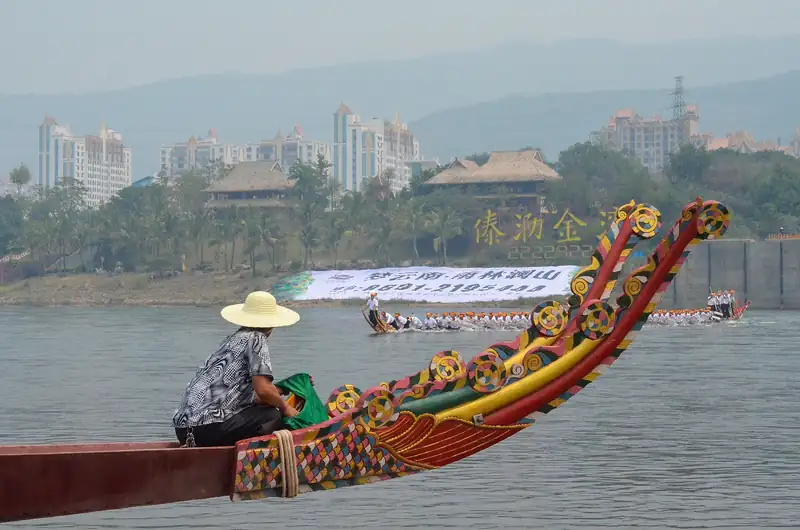
The Dai New Year is three days of ceremony that end in a town-wide water fight. In Jinghong the first day brings dragon-boat races on the Lancang (Mekong) River, the second a riverside market and a costumed parade, and on the last morning water is ritually drawn from the river before the splashing begins. Mangshi and Ruili in Dehong hold their own programs in mid-April, on dates announced locally each year.

How to join: In Jinghong, watch the boat races from the riverbank on the 13th, then on the 15th head for Water-Splashing Square 泼水广场 and the streets around it from late morning with a bucket or water pistol. Book rooms weeks ahead, as Jinghong prices rise for the festival. With children: the main splashing on the 15th soaks everyone, and the crowd around Water-Splashing Square gets very dense, so younger children may do better on a quieter side street or at a hotel's own splashing. Dress them in quick-dry clothes and strap sandals, agree a meeting point, and put a card with your phone number and hotel name in Chinese in each child's pocket. Can't make 13–15 April? The Dai Ethnic Park 傣族园 in Ganlanba stages splashing every day.

Etiquette: Water here is a blessing, so take a soaking with a smile, but don't splash monks, the elderly or anyone clearly not playing. Carry your phone and passport in a waterproof pouch.

Where: Xishuangbanna, Dehong