Xishuangbanna feels like a different country from the rest of Yunnan. At about 550 m on the Mekong, known in China as the Lancang 澜沧江, and close to the borders with Laos and Myanmar, it's hot, green and humid, with gilded Buddhist temples, stilt houses and food built on lime, chili and herbs.
This is the homeland of the Dai people, whose language and Theravada Buddhism are closely related to those of northern Thailand and Laos. Most visitors base themselves in Jinghong 景洪, the regional capital, and take day trips to the botanical garden, the rainforest and the villages. Three or four days is about right.
Top things to do
Prices as of 2026; check before you go.
Gaozhuang and the Starlight Night Market 告庄西双景 · 星光夜市
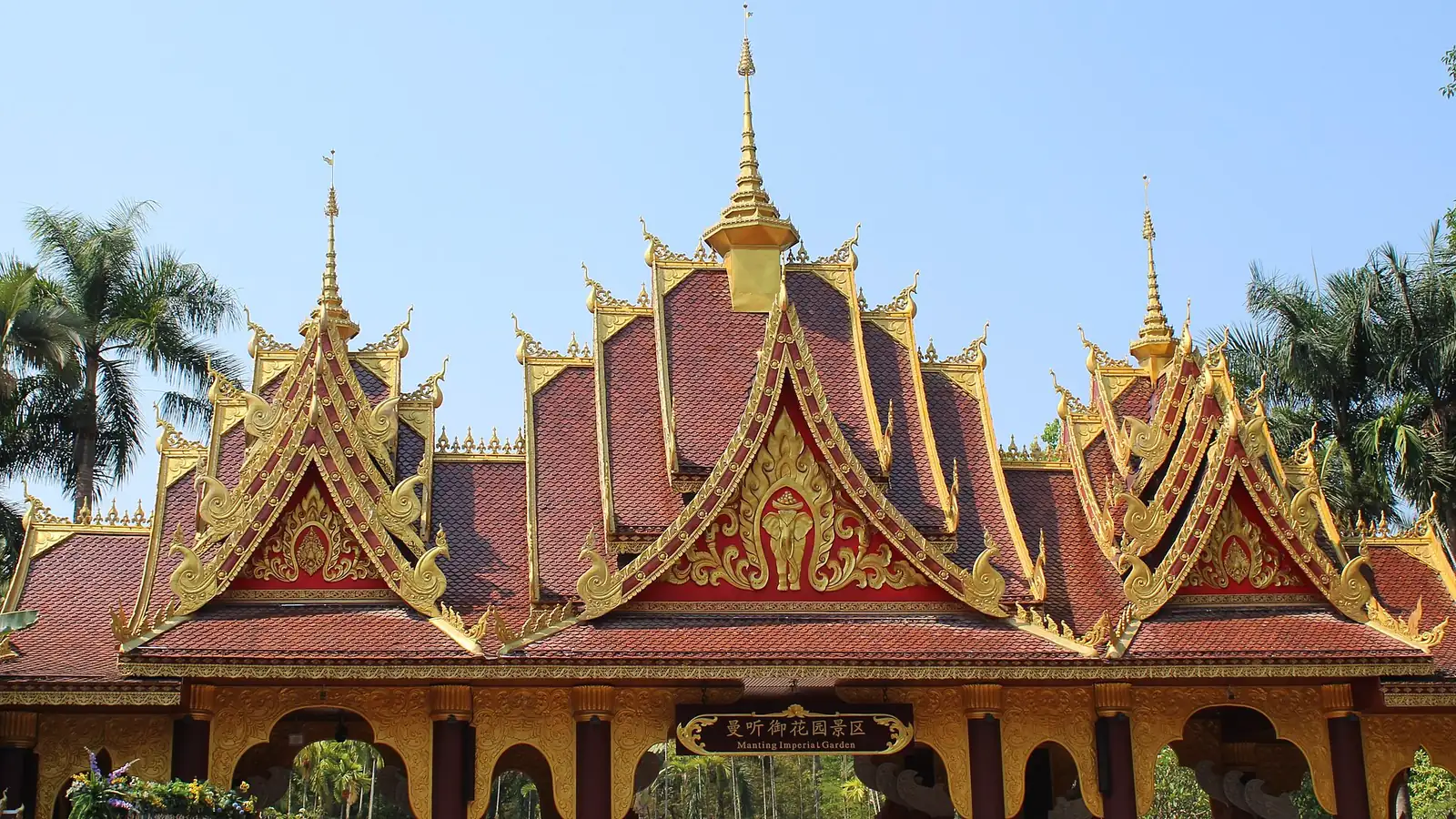
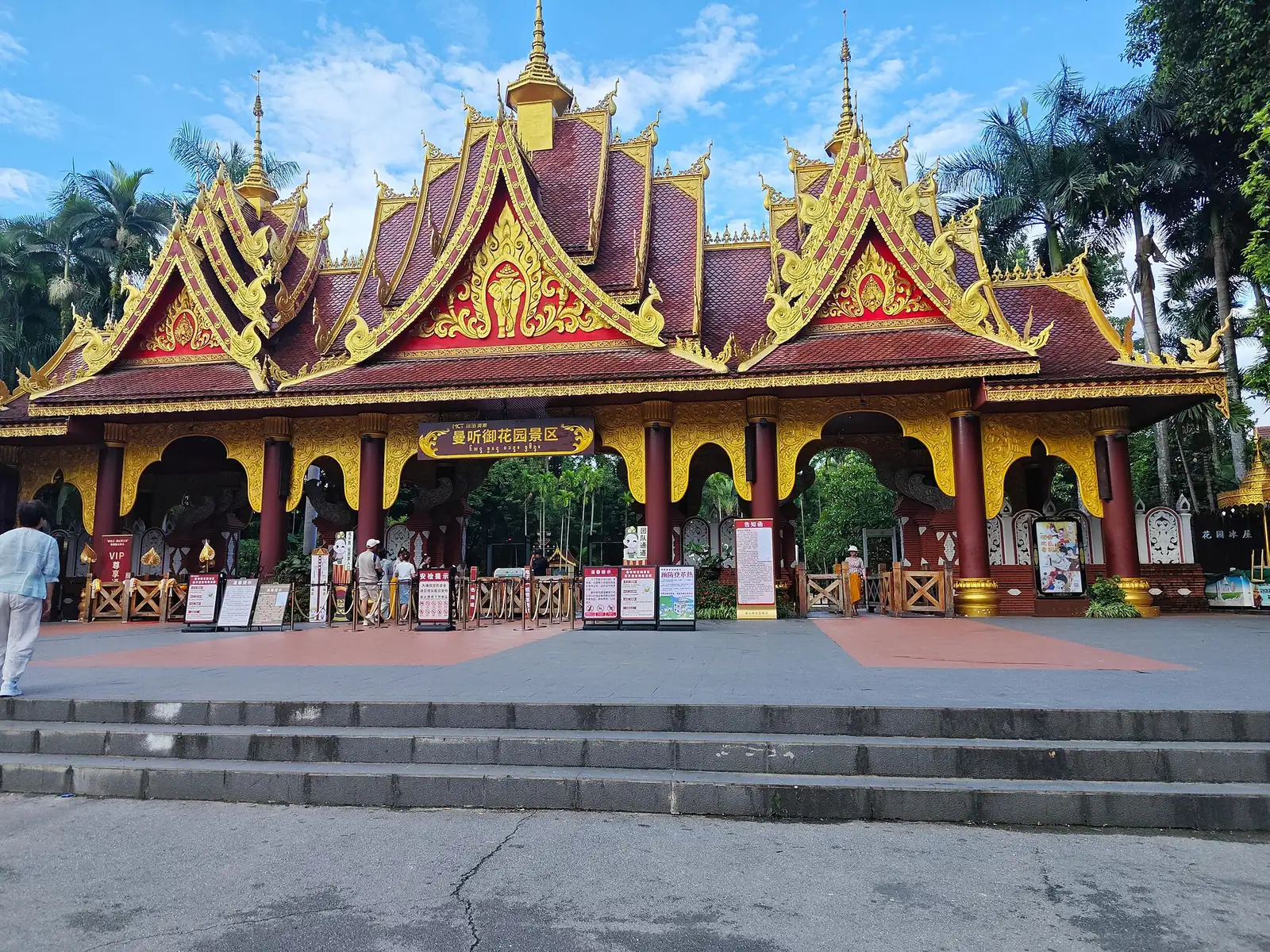
Gaozhuang is a newly built Dai-style district by the river, with golden rooflines, hotels and bars. After dark, its night market fills the lanes with lantern-lit stalls selling grilled food, tropical fruit and clothes. It's touristy and crowded, but a fun first evening.
Xishuangbanna Tropical Botanical Garden 中国科学院西双版纳热带植物园
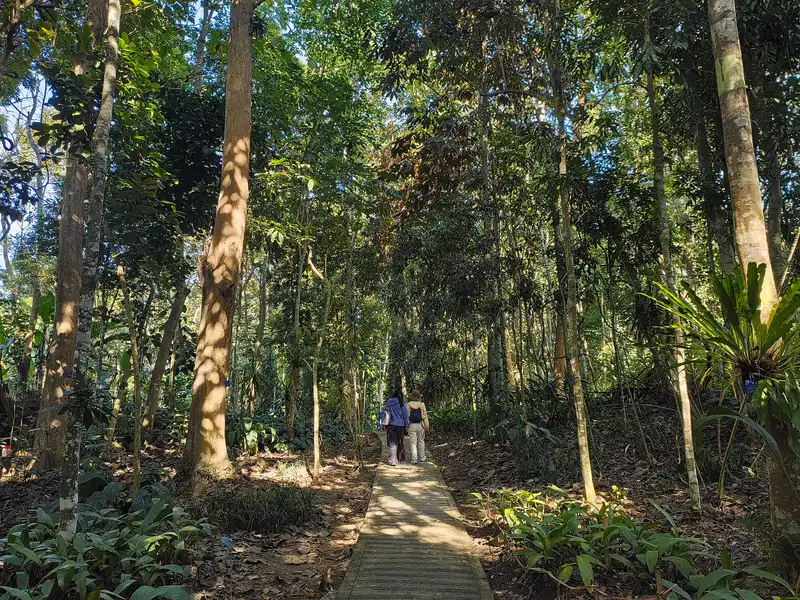
Run by the Chinese Academy of Sciences and one of the largest botanical gardens anywhere, it spreads across a river bend in Menglun 勐仑. Expect rainforest trails, giant figs and palm collections; use the electric carts.
Manting Park and Zongfo Temple 曼听公园 · 总佛寺
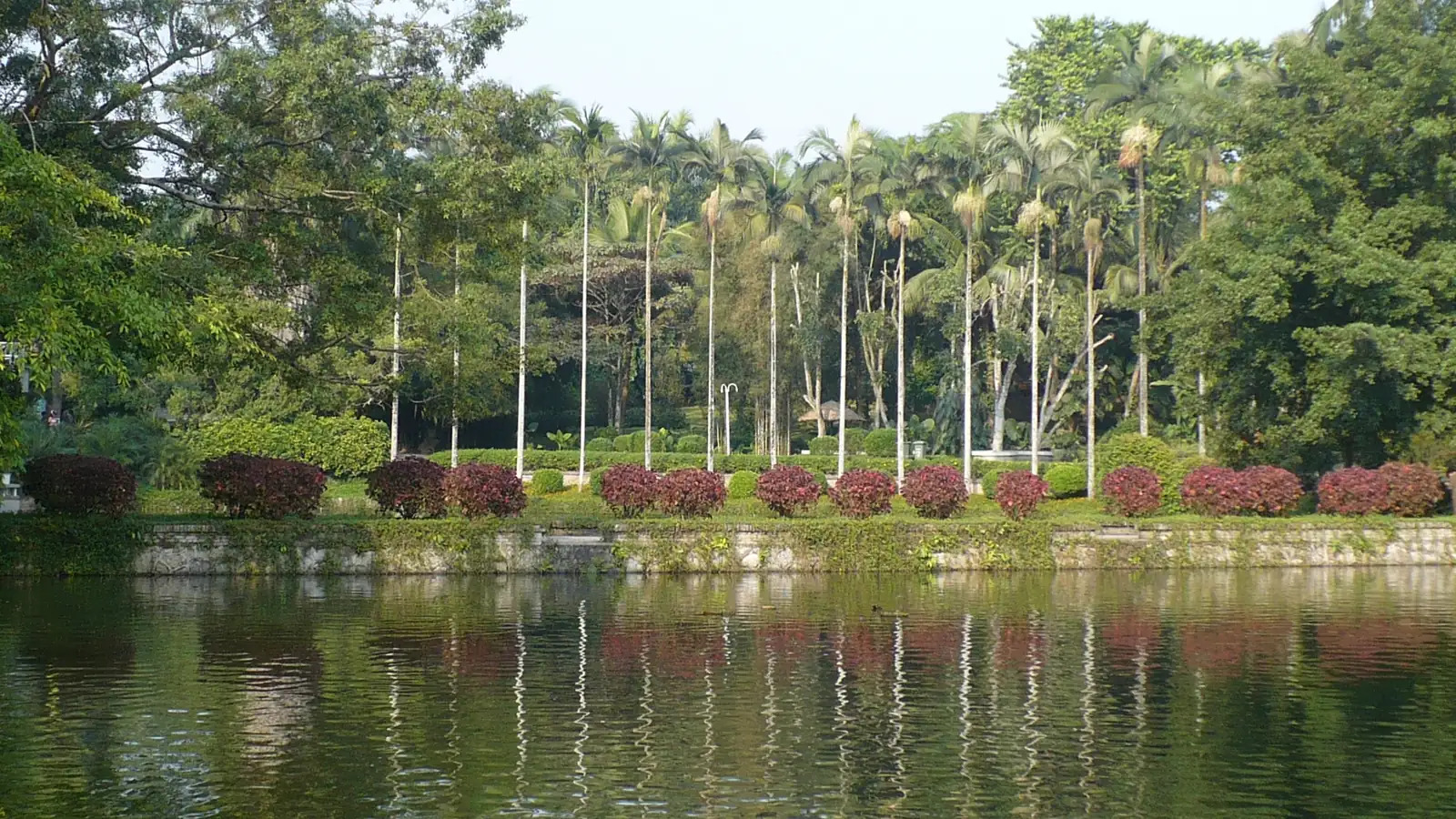
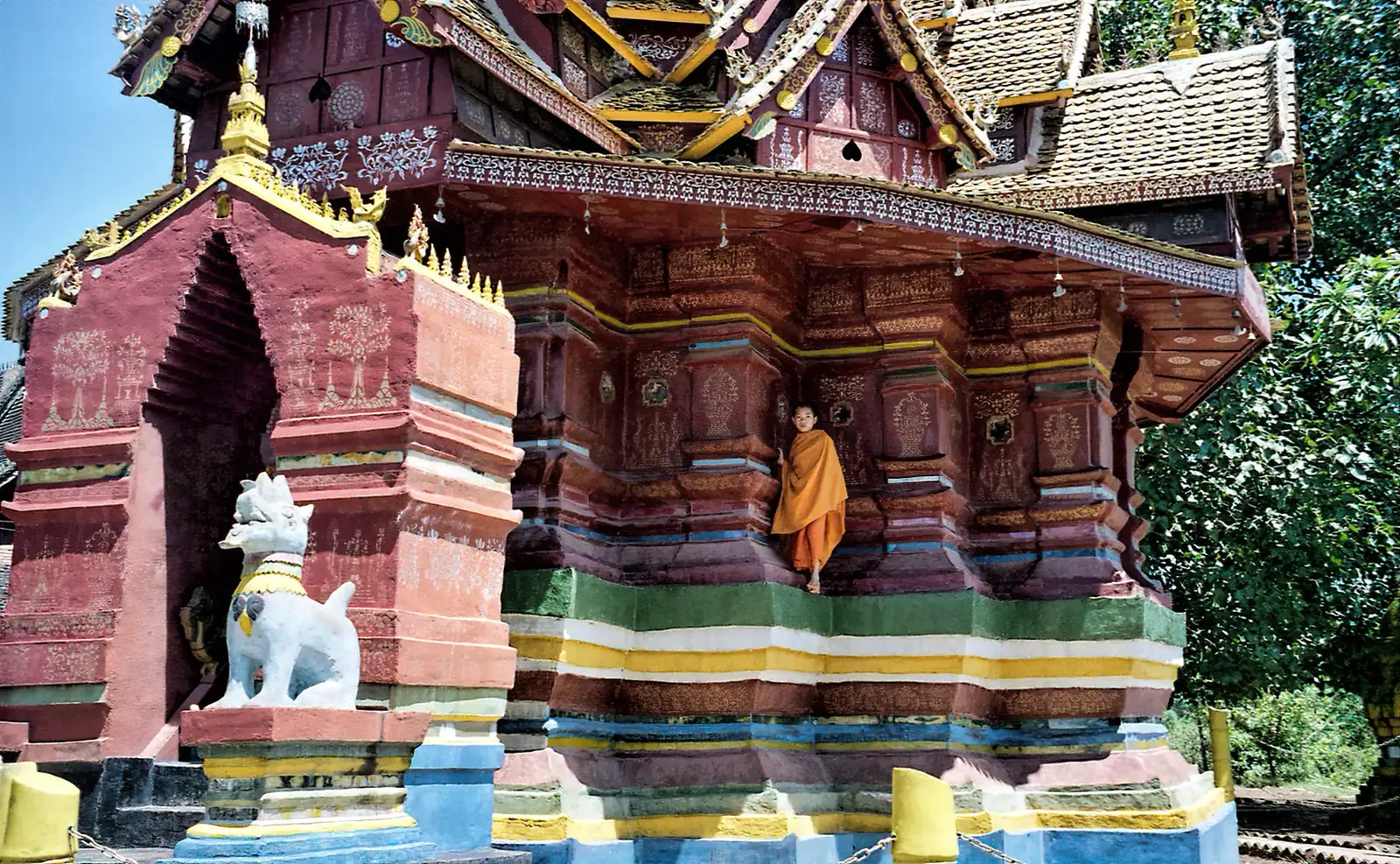
Manting was once a garden of the Dai royal family; today it's a shady riverside park with a path through to the region's principal Theravada temple, a working monastery where young monks study. The temple itself is free through its own south gate on Baji Road 坝吉路; the ¥40 ticket is for the park, which connects to it by a side gate. Cover shoulders and knees for the temple.
Jinuo Mountain rainforest walk 基诺山雨林徒步
A guided walk through real rainforest on the home ground of the Jinuo, one of China's smallest officially recognized ethnic groups. It costs about ¥150 per person, including a guide who explains the plants. Wear long sleeves; rain boots make the muddy trail much easier.
Manyuan Village 曼远村
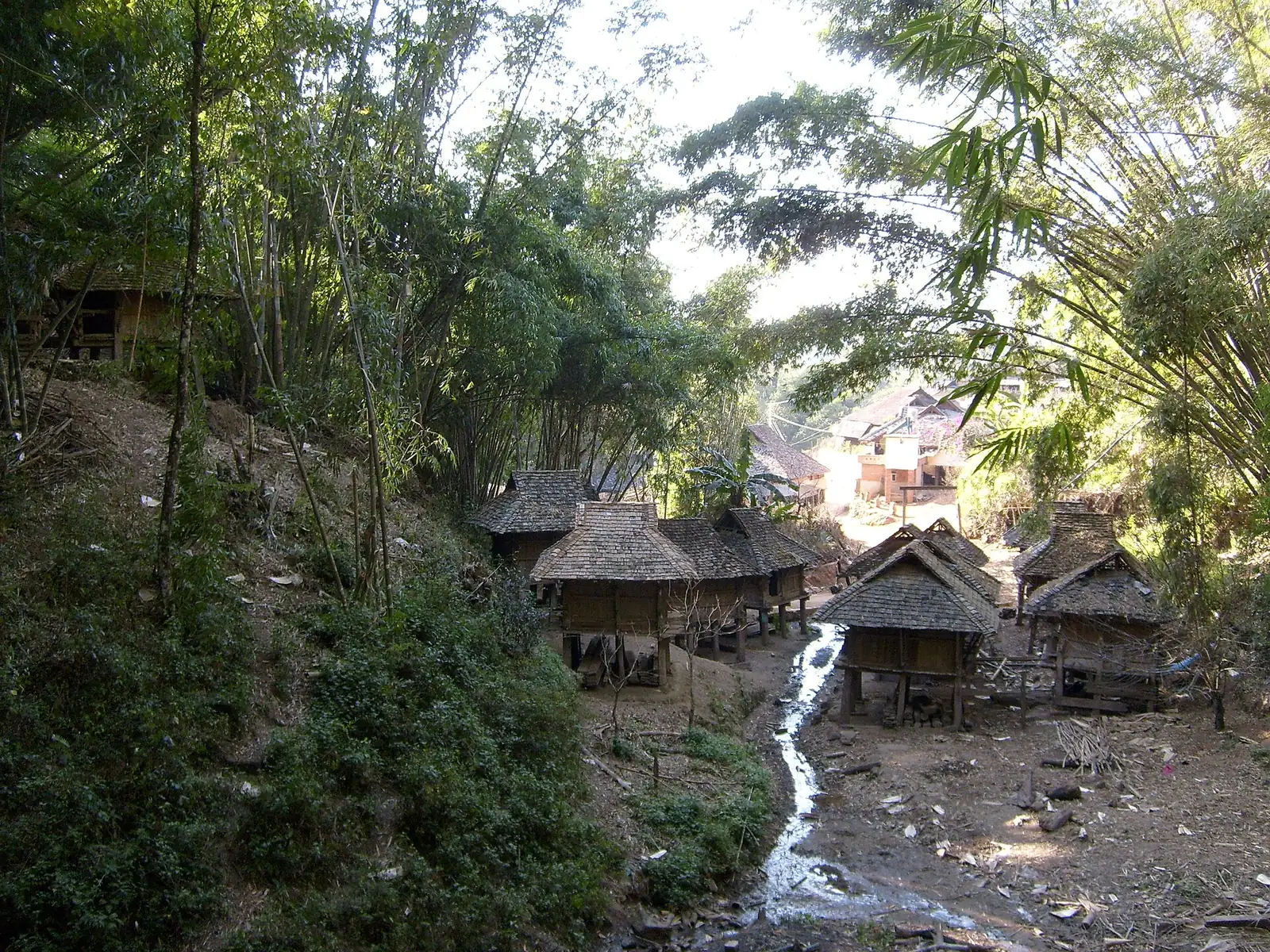
A Dai village that still feels lived-in, with wooden stilt houses and a village temple. Walk quietly, ask before photographing people, and treat it as a glimpse of daily life rather than an attraction.
Manzhang Village 曼掌村
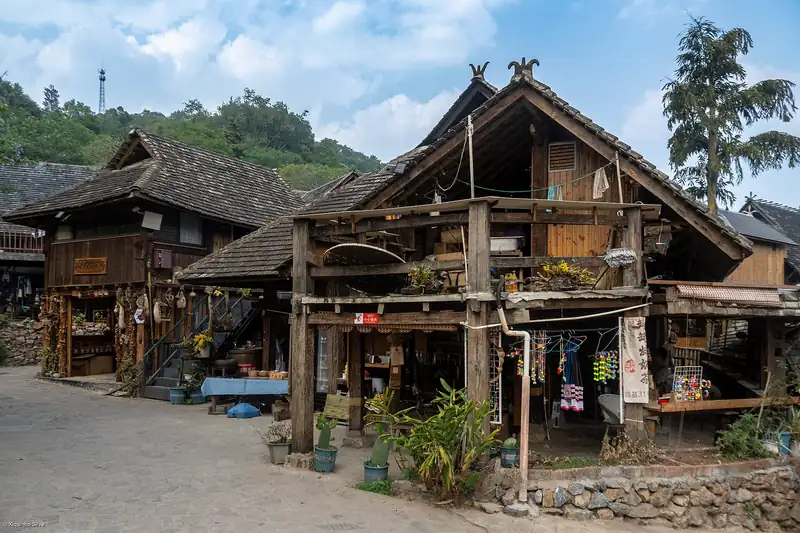
More commercial and set up for visitors, with handicraft workshops and cafés in renovated Dai houses. Come for hands-on crafts, not for an untouched village.
Where to stay
- Gaozhuang: The default choice for most visitors. You can walk to the night market and riverside restaurants, there are hotels at every price, and the airport is about 15 minutes away. Rooms near the bar lanes can be loud.
- Central Jinghong, near Manting Park: More local, and a short taxi ride from Gaozhuang.
- Menglun: A night near the botanical garden lets you walk in at opening time, before day-trippers arrive. Quiet in the evening, with limited dining.
What to eat
Dai food is sour, spicy and herbal, closer to northern Thai cooking than to Kunming noodles. Eat wherever locals are waiting for tables.
Pounded chicken feet 舂鸡脚
Boiled chicken feet pounded in a mortar with lime, chili, garlic and fresh herbs into a sour, fiery salad. Messy and very Dai.
Dai grilled chicken and lemongrass fish 烤鸡 · 香茅草烤鱼
Charcoal-grilled whole chicken, or river fish stuffed with lemongrass and herbs, then folded and grilled. The night-market grills do it best.
Porcini fried rice 牛肝菌炒饭
Rice fried with slices of Yunnan's prized porcini-type mushrooms: simple, savory and a safe bet if chili isn't your thing.
Mango sticky rice 芒果糯米饭
Sticky rice with ripe mango and coconut milk.
Paoluda 泡鲁达
A Burmese-influenced dessert drink: coconut milk and sweet milk poured over chunks of bread, sago and jelly, served cold. The best cure for Jinghong heat.
Yellow-cattle beef hotpot 黄牛肉火锅
Local beef simmered in a herby broth, with greens cooked in at the table. In the rainy season, the wild mushroom hotpot is the other favorite.
The honest take
Visitors love Xishuangbanna for its tropical feel, the Dai food and the night market, and many describe the south as a trip that is easy on the legs and the nerves. The complaints are mostly practical.
- Driver recommendations: A driver who steers you to a particular restaurant, tea shop or jade store is usually earning a commission. Choose your own places; see why we skip shopping tours.
- Unlicensed cars: Ignore touts offering rides at the roadside or outside the station. Use ride-hailing or a pre-booked driver.
- E-scooters: Rentals are popular, but park only in the designated areas.
- Festival crowds: The Water-Splashing Festival in mid-April is huge fun and very busy, with hotel prices to match. Book early or come another time.
Getting there and around
- By train: Bullet trains on the China–Laos railway take about 3–4 hours from Kunming (from Kunming South or Kunming Station; check your ticket) to Xishuangbanna Station 西双版纳站 on the edge of Jinghong. Seats sell out around holidays, so book as early as you can; see trains.
- By air: Xishuangbanna Gasa Airport 西双版纳嘎洒国际机场 (JHG) has flights from Kunming and many other Chinese cities. It's about 15 minutes by car to Gaozhuang.
- In town: Ride-hailing covers Jinghong well; pay through Alipay (see payments).
- Day trips: For the botanical garden, Jinuo Mountain and the villages, a private driver is the simplest option. We can arrange one with no shopping stops.
- Onward: Head north through Pu'er and the old tea forests of Jingmai Mountain on our tea mountains route.

.jpg)


.jpg)
