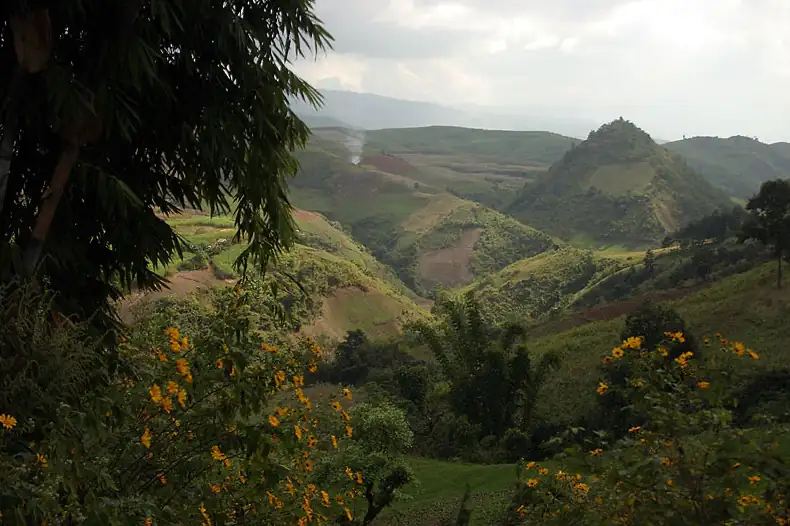
Lincang is the slice of southwest Yunnan between the Lancang (Mekong) River, which gives the city its name, and the Myanmar border. It is tea country first. Fengqing County is where Yunnan black tea, Dianhong, was first made, and the villages around Mengku grow some of the most expensive pu'er in China.
Few tour groups make it this far. Those who do come tend to say they came less for sights than for everyday life in Wa, Dai, Lahu and Bulang villages, and for dry-season mornings with cloud lying in the valleys. Expect long drives, simple hotels and almost no English.
How locals do it
Lincang city is the transport hub, not the destination. Pass through for the station and airport, and perhaps the free city museum (closed Mondays), then split the trip between three bases, each a few hours apart.
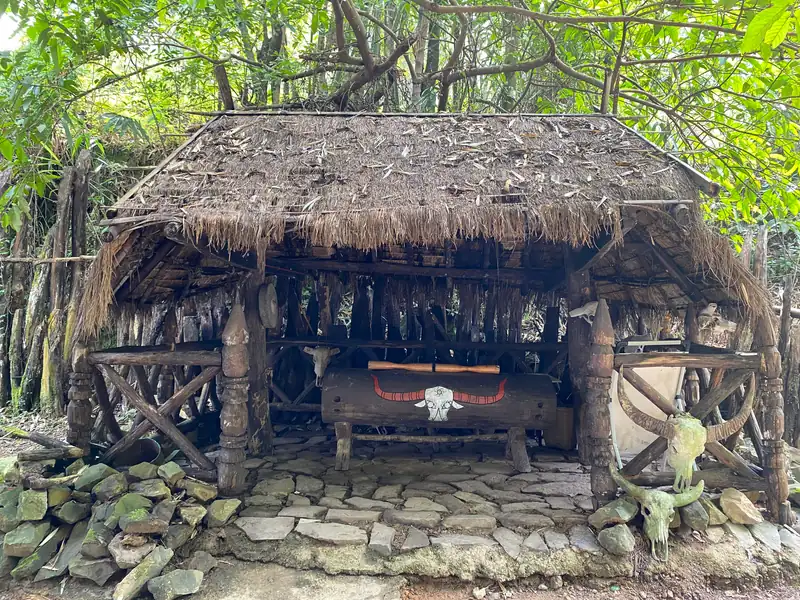
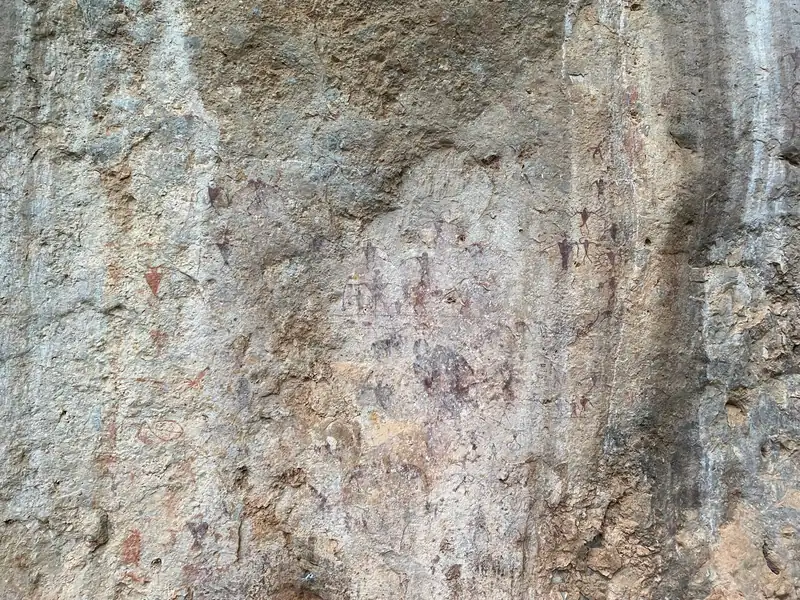
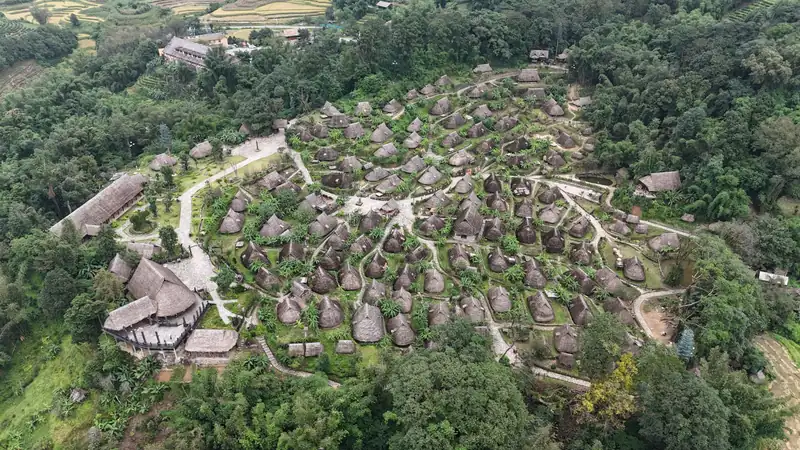
- Cangyuan for Wa culture, 2 nights. Start early at the Cangyuan cliff paintings 沧源崖画, where the light is best before noon. Spend the rest of the day at Wengding 翁丁, the thatched Wa village, and end the evening at the free bonfire square in Hulu Town. Cangyuan has its own airport with flights from Kunming, which saves the nearly three-hour drive from Lincang city.
- Mengku for tea, 1–2 nights. Come in spring, roughly March and April, when families in Bingdao 冰岛 and neighboring villages are picking and pan-firing leaves. Outside picking season, a half day is enough.
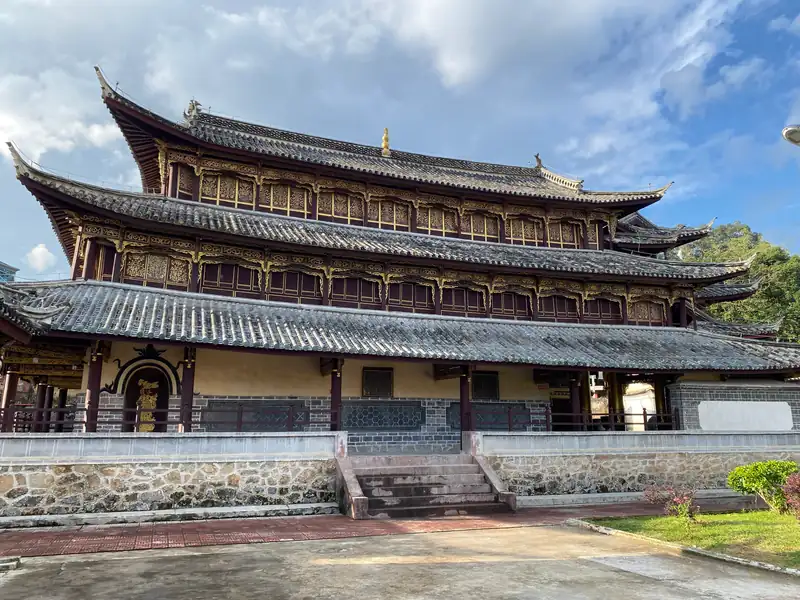
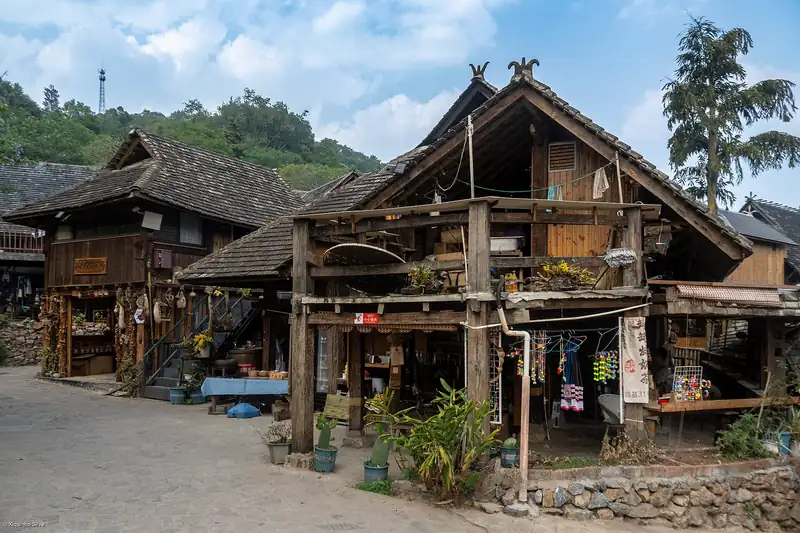
- Fengqing and Lushi for the caravan road, 1–2 nights. Fengqing town has a large Confucian temple and the black-tea story. Then drive a couple of hours north on winding mountain roads to Lushi 鲁史古镇, a Tea Horse Road town where you can sleep in an old muleteers' inn.
Our tea mountains route has a three-day Lincang extension. With more time, add Mengding 孟定 in Gengma County: a hot lowland Dai town on the border, with a night market, Dongjing Temple 洞景佛寺 (founded in 1512, by Dai records) and a village that still makes paper by hand. Keep to one leg per day, and use shared e-bikes inside the small towns.
Where locals eat
Few places here are known by name; people eat by dish and by town. Prices as of 2026; check before you go.
Wa chicken rice porridge 佤族鸡肉烂饭
The Wa comfort dish: rice simmered with chicken, ginger and fresh herbs until thick and soft, somewhere between porridge and risotto. Order it at any Wa restaurant in Cangyuan; the Wengding ticket has included a tasting.
Wa Mountain roast pig 佤山烤香猪
Small whole pigs roasted until the skin crackles, cut up and shared at the table. Pair it with Cangyuan's dried beef 沧源牛干巴, fried or grilled, which also travels well as a snack.
Yun County chicken rice noodles 云县鸡肉米线
Rice noodles in chicken broth topped with shredded chicken, the standard breakfast in Yun County. The town is a stop on the Dali–Lincang railway, so it is easy to fit in between trains.
Pea-flour porridge with noodles 稀豆粉米线
A thick, warm porridge of ground yellow peas poured over rice noodles, with chili oil, crushed peanuts and herbs. You'll find it at morning stalls in Lincang city and the county towns.
Ham and quince chicken, Lushi 火腿木瓜鸡
Chicken stewed with local cured ham and sour Chinese quince, a tangy, salty pot that suits the cool evenings in the hills. Ask for it at the guesthouses and small restaurants in Lushi.
Dai sapie at the Mengding night market 孟定 傣味撒撇
Beef or tripe with rice noodles and herbs, dipped in either a bitter sauce or a lime-and-chili one. Start with the lime version 柠檬撒, since the bitter one is an acquired taste. The market also has grills and flat rice noodles 米干.
Hidden corners and free viewpoints
Hulu Town 沧源 葫芦小镇
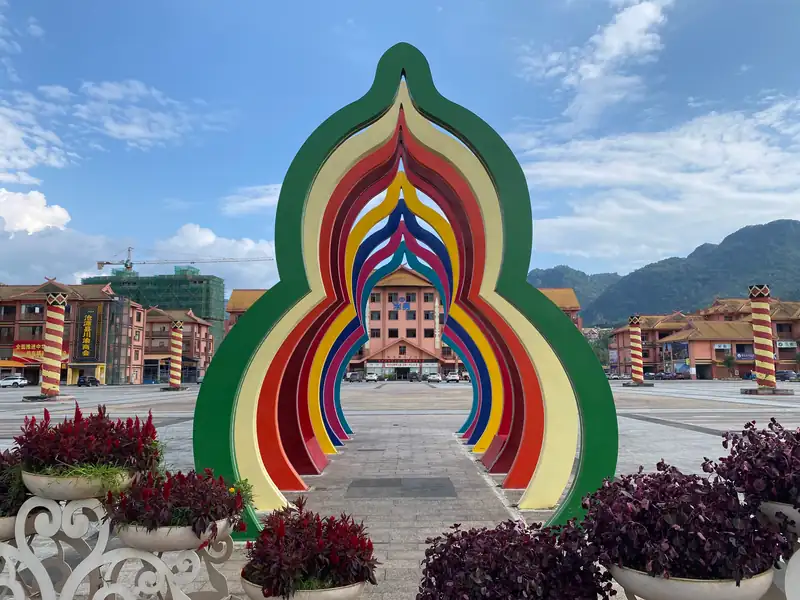
A free Wa-themed quarter about 2 km from Cangyuan town, named after the gourd in the Wa creation story. In the evening, locals and visitors join the bonfire circle dance.
Guangyun Temple 广允缅寺
A Theravada Buddhist temple in Cangyuan town, built in 1828, whose hall mixes Han Chinese and Dai building styles. Inside are ten old murals of Buddha stories and a local chief on procession.
Fengqing Confucian Temple 凤庆文庙
Founded in 1606 and rebuilt on its present site in 1873, it is the second-largest surviving Confucian temple in Yunnan: a sequence of gates, a crescent pool, halls and a pavilion.
Jinxiu tea tree 香竹箐 锦绣茶王
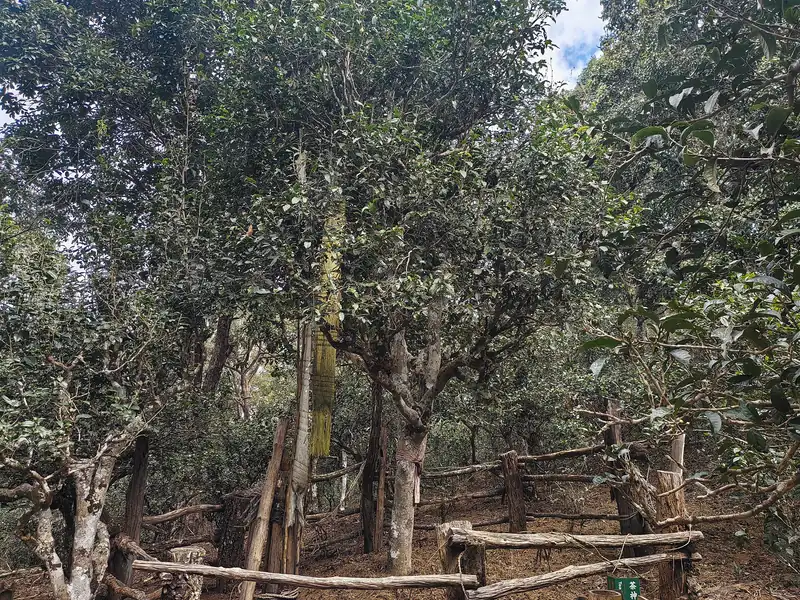
High above the Lancang in Xiaowan township, a huge cultivated tea tree that local surveys date at more than 3,200 years. It stands in the same corner of northern Fengqing as Lushi, so combine the two. You view it from behind a railing, and the gate is sometimes locked, so go with a driver who can call ahead.
Mangtuan paper village 芒团村
A Dai village near Mengding where families still make white paper from paper-mulberry bark by hand: boiling, pounding and drying sheets on frames in the sun. The craft is listed as national intangible heritage.
Honest verdicts
- Lushi is worth the long drive: a real Tea Horse Road town, free to enter, where you can still sleep in a caravan inn and have the streets to yourself at dawn.
- The Cangyuan cliff paintings are worth a morning: small, but recent dating puts these figures of hunters and dancers at roughly 2,700 to 3,800 years old. No touching and no flash.
- The "last primitive tribe" label on Wengding is overrated: the village burned in 2021 and was rebuilt, and most residents now live in a new village below it, returning by day to run the site and stage the wooden-drum ceremony. Go for the architecture and food, not for an untouched village.
- Bingdao depends on your interest in tea: in spring it is a pilgrimage for tea lovers, but at other times it is a quiet farming village with very expensive leaves.
Getting there and around
- By train: Kunming to Lincang takes about 3.5–4 hours via Dali on the Dali–Lincang line, which also stops at Weishan, Xiaowan East and Yun County. Book with your passport; see trains.
- By air: Lincang and Cangyuan both have airports with flights from Kunming. Cangyuan's airport is about 36 km from the county town.
- Between counties: Buses link the county towns (ask your hotel for times), but sights sit far apart and Lushi needs a car. A driver for the whole loop is the practical choice; we can arrange one at a fixed price.
- Near the border: Cangyuan and Mengding face Myanmar. Carry your passport at all times for road checkpoints, don't plan to cross, and read safety before you go.