Chuxiong Yi Autonomous Prefecture 楚雄彝族自治州 fills the hills between Kunming and Dali, and most visitors see it only through a bullet-train window. It is the heartland of the Yi, one of Yunnan's largest ethnic groups, and home to one of the province's oldest industries: salt, drawn from brine wells in deep river valleys for well over a thousand years.
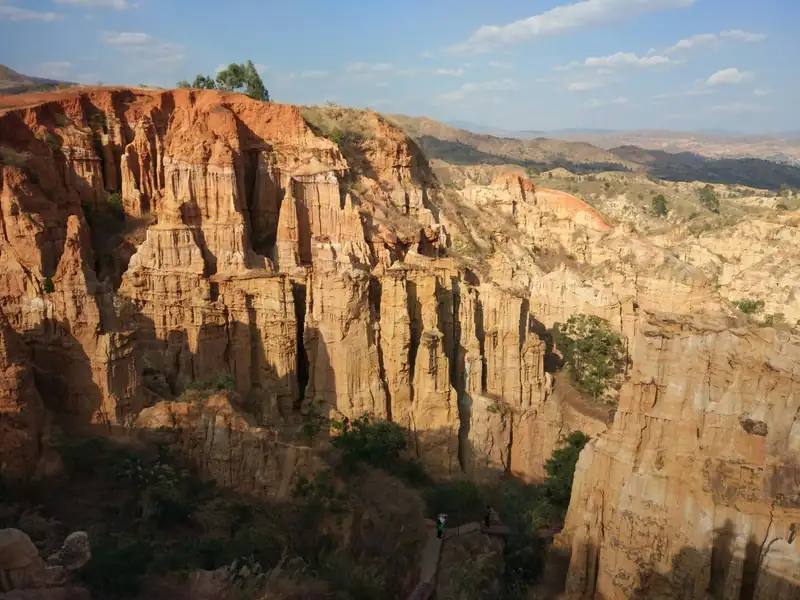
Those who stop come for three things: Heijing, a salt town at the bottom of a gorge that grew rich under the Ming and Qing and has stayed largely uncommercialized; the Yuanmou Earth Forest, a field of eroded pillars that glows at sunset; and the Yi Torch Festival in midsummer.
How locals do it
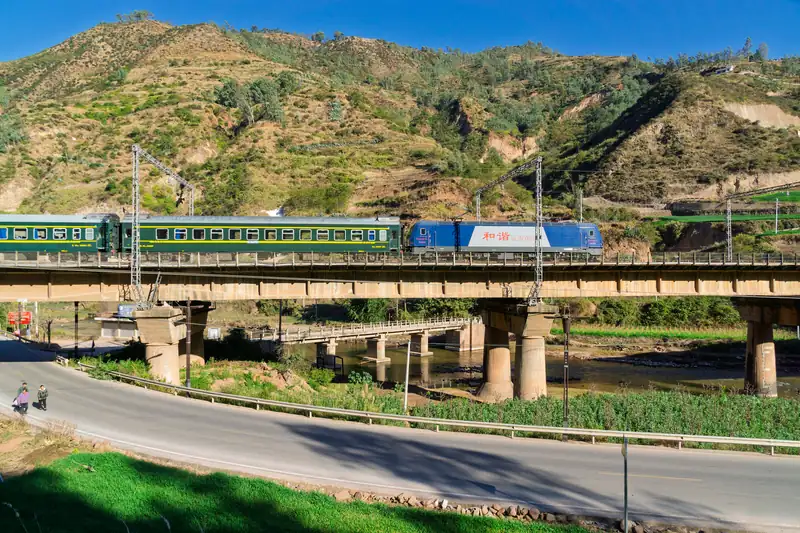
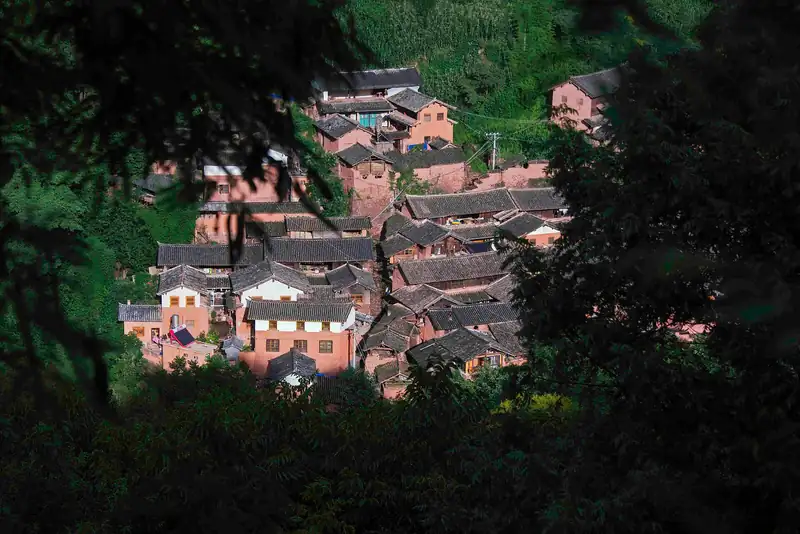
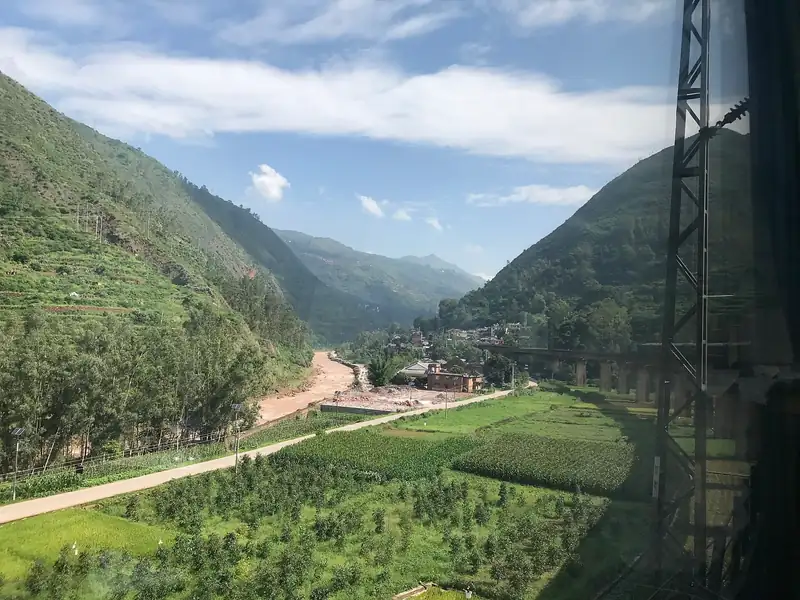
Heijing 黑井古镇 is the reason to come. A daily slow train leaves Kunming Station 昆明站 (the old station, not Kunming South) at around 6:20–6:30 a.m. and reaches Heijing about two and a half hours later, following the Longchuan River through gorges and tunnels. The return leaves around 4:20 p.m., so a day trip works, but the travelers who love Heijing most stay a night in an old courtyard house.
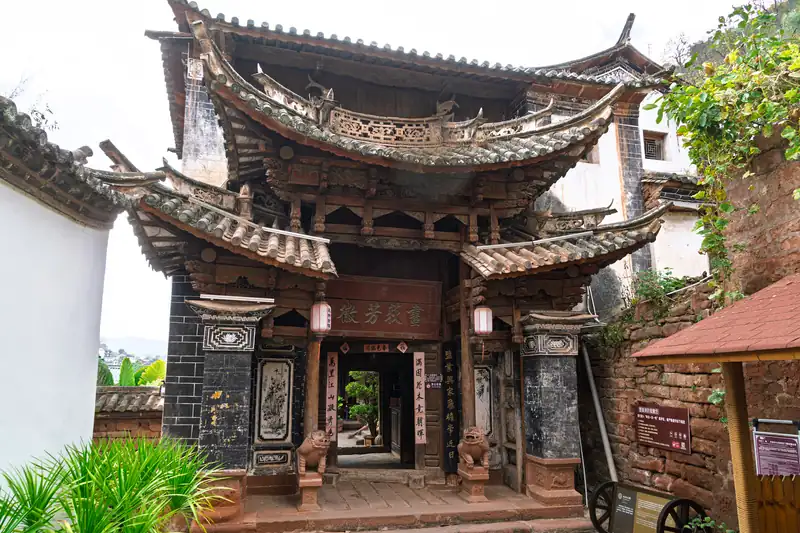
Spend the morning on the sights covered by the combined ticket, the afternoon in the free lanes, and the evening up at Feilai Temple watching the light fade over the roofs. At its peak, salt from Heijing's wells is said to have paid around half of Yunnan's salt tax, which explains the merchant mansions in such a small place.
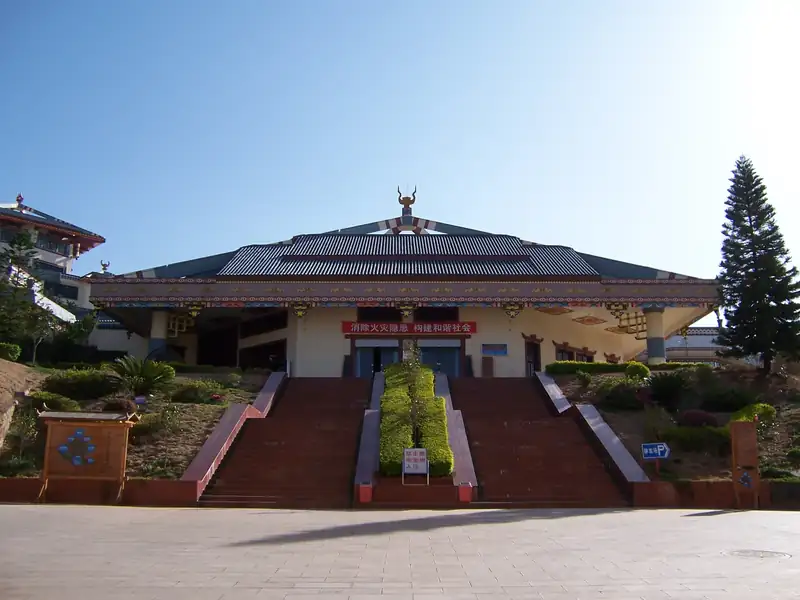
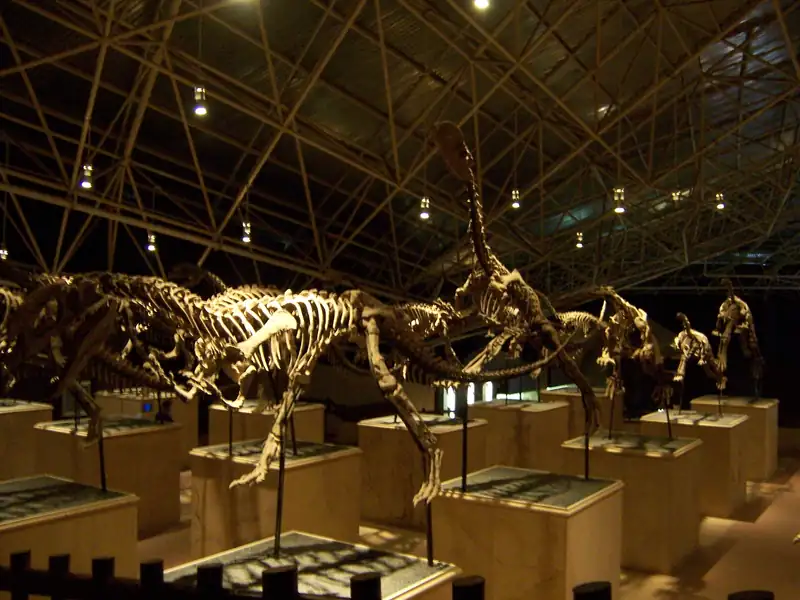
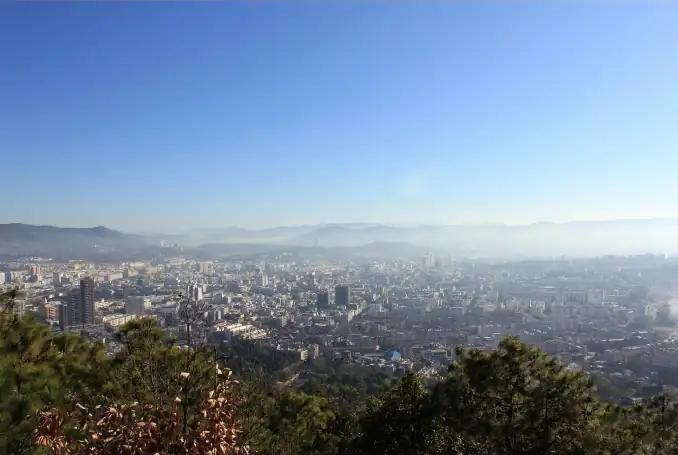
Chuxiong city is the base for Yi culture. See Yi embroidery at the free Chuxiong Prefecture Museum 楚雄州博物馆 by day, then go to Yi Ancient Town 彝人古镇 after dark, when locals and visitors link arms for circle dances in the square. With a car, the Yuanmou Earth Forest 元谋土林 makes a late-afternoon trip, and Lufeng's World Dinosaur Valley 世界恐龙谷 suits families.
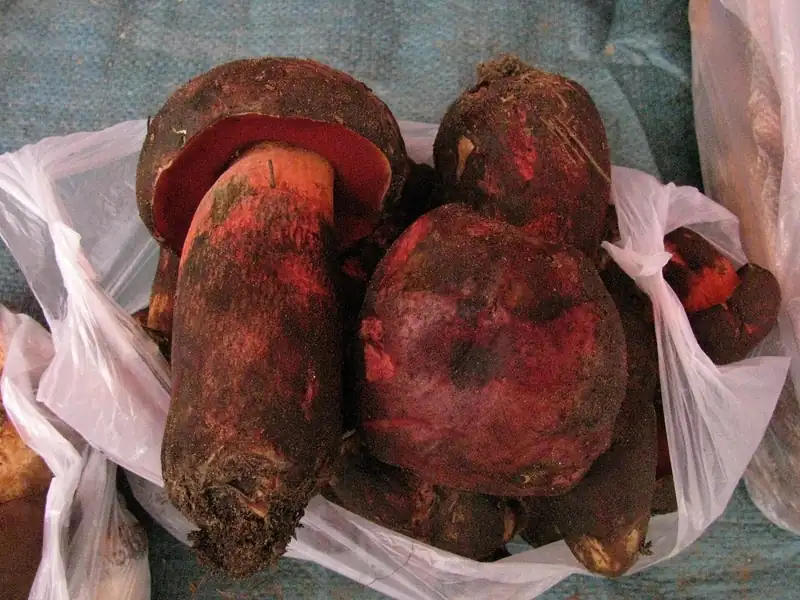
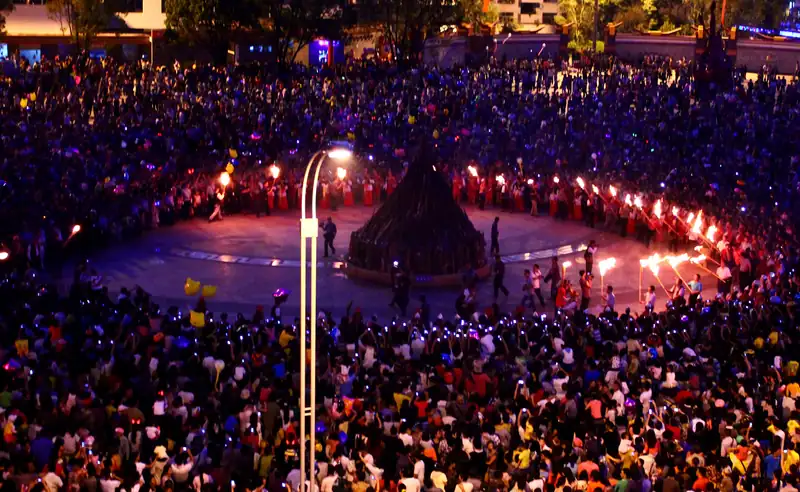
Timing matters here. The Yi Torch Festival 火把节 falls on the 24th day of the sixth lunar month, usually between mid-July and mid-August, with torch processions, bonfires and dancing over several days. In the rainy season, roughly June to September, Nanhua county, known across Yunnan for wild mushrooms, fills its market and restaurants with them. Early spring brings smaller Yi festivals, among them the costume festival at Zhiju 直苴赛装节 in Yongren county, usually on the 15th day of the first lunar month; dates are set locally, so check before you go. For a longer trip linking Heijing with other old salt and caravan towns, see our salt and caravan towns route.
Where locals eat
Prices as of 2026; check before you go.
Salt-baked chicken at Huiyoutang 会友堂 盐焗鸡
Heijing cooks with its own salt, and its signature is a whole chicken sealed and cooked in hot local salt. Huiyoutang is the restaurant regulars name most often.
Ash tofu 灰豆腐
A Heijing specialty: tofu cubes cured in ash, which locals make from pine needles, then cooked until the skin is lightly crisp and the inside soft. It sounds odd and tastes mild.
Stir-fried pomegranate flowers at Yanxingyuan 盐兴园 炒石榴花
Yunnan eats a surprising number of flowers. In spring, Heijing kitchens stir-fry pomegranate blossoms with chili, often with a little cured pork; the taste is slightly bitter and green. Go to Yanxingyuan for it.
Tuotuo rou 坨坨肉
The Yi feast dish: big chunks of boiled pork tossed with salt, chili and garlic and traditionally eaten by hand. Look for it at Yi restaurants in Chuxiong city and around Yi Ancient Town.
Nanhua wild mushrooms 南华野生菌
In the rainy season, Nanhua's restaurants stir-fry or hotpot whatever came in from the hills that morning, from porcini to termite mushrooms. Let the staff time the cooking; some wild mushrooms are toxic undercooked.
Mouding fermented tofu 牟定腐乳
Chuxiong's best-known pantry item: soft, chili-coated fermented tofu from Mouding county, eaten in tiny amounts with rice or porridge. Jars travel well if you want a food souvenir.
Hidden corners and free viewpoints
Feilai Temple 飞来寺
A small temple on the hillside above Heijing, reached by steep steps. It has the best view down onto the tiled roofs and river, especially at sunset.
Heijing Confucian Temple 黑井文庙
The town's old Confucian temple stands inside the grounds of the central primary school. It's a working school, not a sight: ask at the gate outside class hours and keep your voice down.
Jiexiao Arch and Wuma Bridge 节孝总坊 · 五马桥
A tall carved stone arch from the Qing dynasty honoring the town's virtuous widows, and an old stone bridge over the river a short walk away. Both are free and open all day.
Shiyang Old Town 石羊古镇
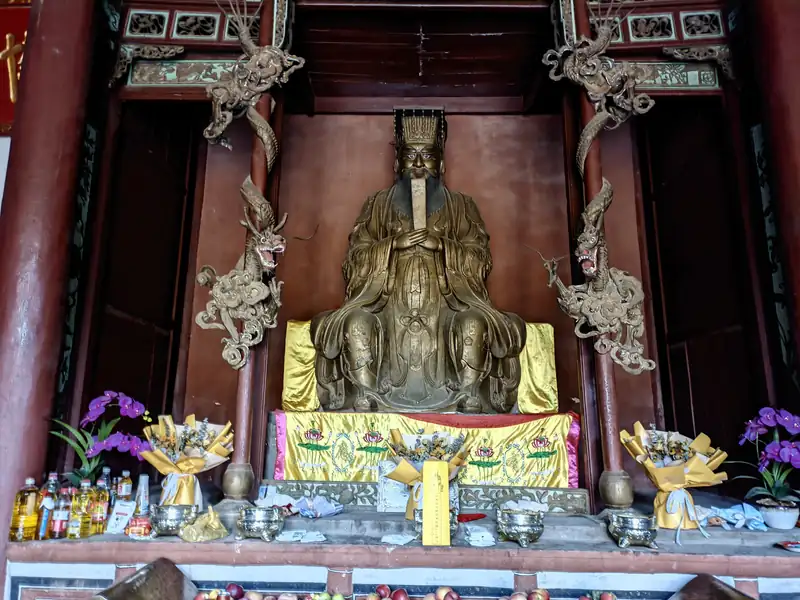
Another brine-salt town, in Dayao county to the north, smaller and even quieter than Heijing. Its Confucian temple holds a large Qing-dynasty bronze statue of Confucius.
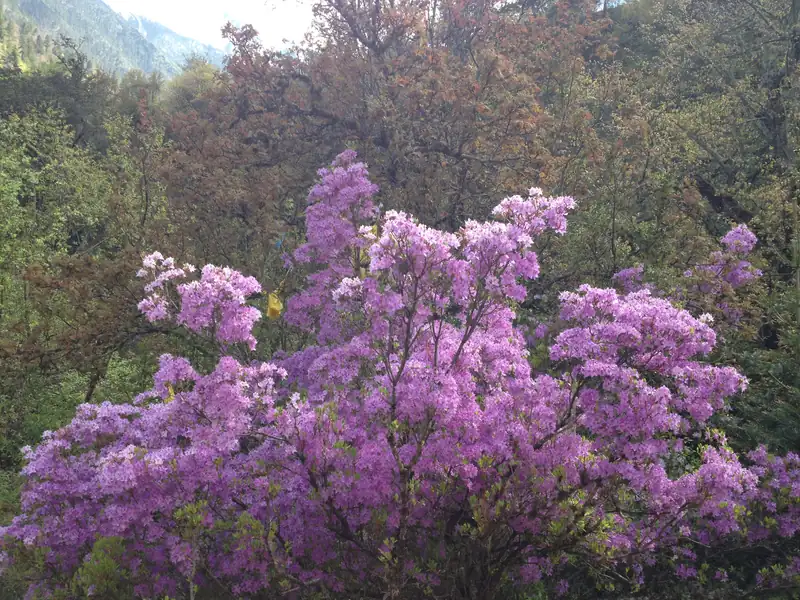
Zixi Mountain 紫溪山
Forested hills with walking paths, a short drive from Chuxiong city. Rhododendrons bloom from about April to June.
Honest verdicts
- Heijing overnight: worth it, because once the afternoon train leaves you have a Ming and Qing salt town almost to yourself.
- Yi Ancient Town: a purpose-built shopping street by day, but free and lively after dark, when anyone can join the circle dancing.
- Yuanmou Earth Forest: worth it after 4 p.m., when low light turns the pillars gold, but harsh and hot at midday.
- World Dinosaur Valley: the fossil beds are real, but at about ¥120 and mostly theme park, it suits families more than adults on a tight schedule.
- Chuxiong Prefecture Museum: worth an hour or two, because it's free and its Yi costume galleries give real context to any festival or village visit afterward.
- Torch Festival: the biggest party of the Yi year, but expect crowds, open flames and full hotels, so book early.
Getting there and around
- By bullet train: About 1–1.5 hours from Kunming to Chuxiong Station 楚雄站 on the line to Dali, with a stop at Lufeng South 禄丰南站 for the dinosaur park. Book with your passport; see trains.
- To Heijing: The slow train (7466 out, 7465 back) costs about ¥23 each way; times shift, so check on 12306. From Heijing station, horse carts and minivans take you into town in about 10 minutes for ¥5–10. By car it's about 2.5 hours from Kunming.
- To Yuanmou: Trains on the new Chengdu–Kunming line stop at Yuanmou West 元谋西站; the Wumao earth forest is about 35 minutes by taxi from the station.
- Getting around: The sights are far apart and county buses are slow, so a driver saves a lot of time. We can arrange one.