Honghe
Yuanyang Hani Rice Terraces tickets: price, hours and how to get there
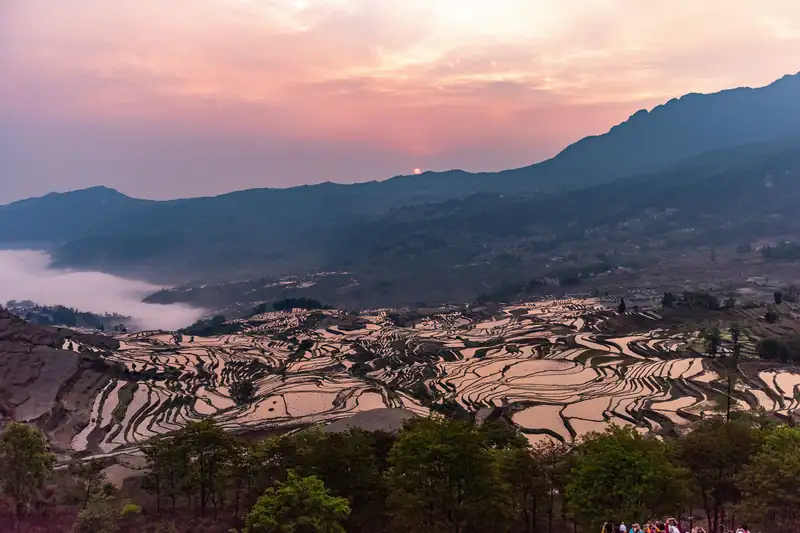
The Hani terraces of Yuanyang (元阳哈尼梯田), a World Heritage Site since 2013, cover whole mountainsides of the Ailao range in southern Yunnan. They are at their most famous when flooded: from about December to February every terrace is a mirror. What you see depends heavily on the month and the weather, so read the season notes before you go. The base town is Xinjie (新街); the main viewpoints are spread out, an hour apart by road, so most people hire a driver and give it two days: one sunset, one sunrise.
- Entry
- US$10 ¥70
- Extras
- Electronic audio guide US$1.5 (¥10)
- Opening hours
- Open all day; viewpoints staffed about 06:00–19:30
- Time needed
- 1–2 days (sunrise at Duoyishu, sunset at Laohuzui)
- How to book
- Ctrip/Qunar or at viewpoint gates; keep the ticket for later days
- Children
- Free age 6 and under or under 1.2 m; half price (35) for ages 7–18
- Seniors
- Half price (35) for ages 60–69; free 70+
- Other discounts
- Full-time students half price; free for active military and people with disabilities
One ticket covers Duoyishu, Bada, Laohuzui viewpoints and Qingkou folk village; valid for 7 days with unlimited entries. Best season Nov–Apr (water-filled terraces).
Prices checked November 2026. You pay in yuan at the gate.
How to get there
- From Kunming: high-speed train from Kunming South to Jianshui or Mengzi, then a bus or hired car of about 2 hours to Xinjie, Yuanyang's new town. Mengzi has more buses and a shorter ride. A direct coach from Kunming's south bus station takes about 5 hours (about ¥120).
- From Jianshui: buses to Xinjie (¥47, about 2 hours) run only about once in the morning and once in the afternoon; book ahead on Ctrip or the 红达达 mini-program. If they're sold out, take a bus to Nansha (¥37) and change for Xinjie (¥10).
- At the viewpoints buses are rare, so hire a driver in Xinjie (drivers wait where the buses arrive) and share with other travelers. The ¥70 ticket covers Duoyishu, Bada, Laohuzui and Qingkou and is valid for 7 days with unlimited entries.
The route, step by step
Two days, one night at Duoyishu. 2026: terraces ticket ¥70 (Duoyishu, Bada, Laohuzui viewpoints and Qingkou village, 7 days); Azheke village ¥30 separately; audio guide ¥10. Viewpoints are staffed about 06:00–19:30. Villagers sometimes ask ¥5–10 at free spots or to walk the dykes. Mornings are often 5–6 °C even when afternoons are warm.
Day 1, morning Train and bus to Xinjie
Take an early train from Kunming to Jianshui or Mengzi and the bus on to Xinjie, about 2 hours of mountain road. Book the Jianshui bus a day ahead. Xinjie has a lively market and is where you find drivers.
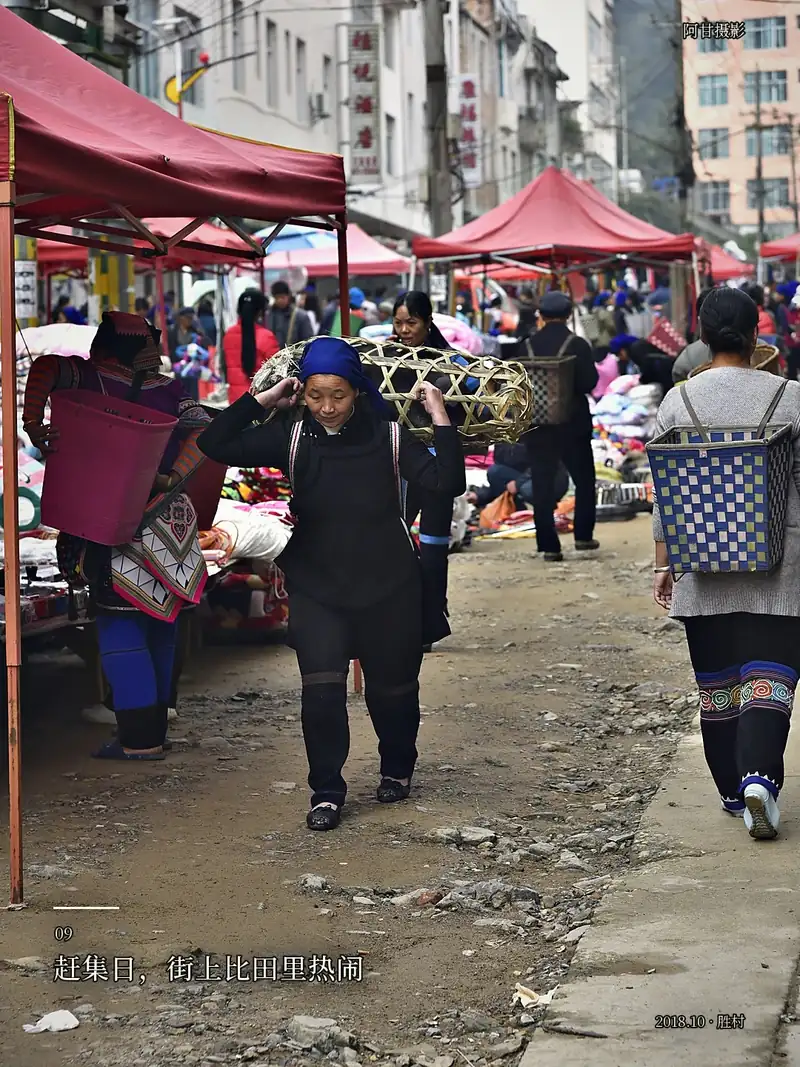
Day 1, 13:00 Hire a driver and see the free viewpoints
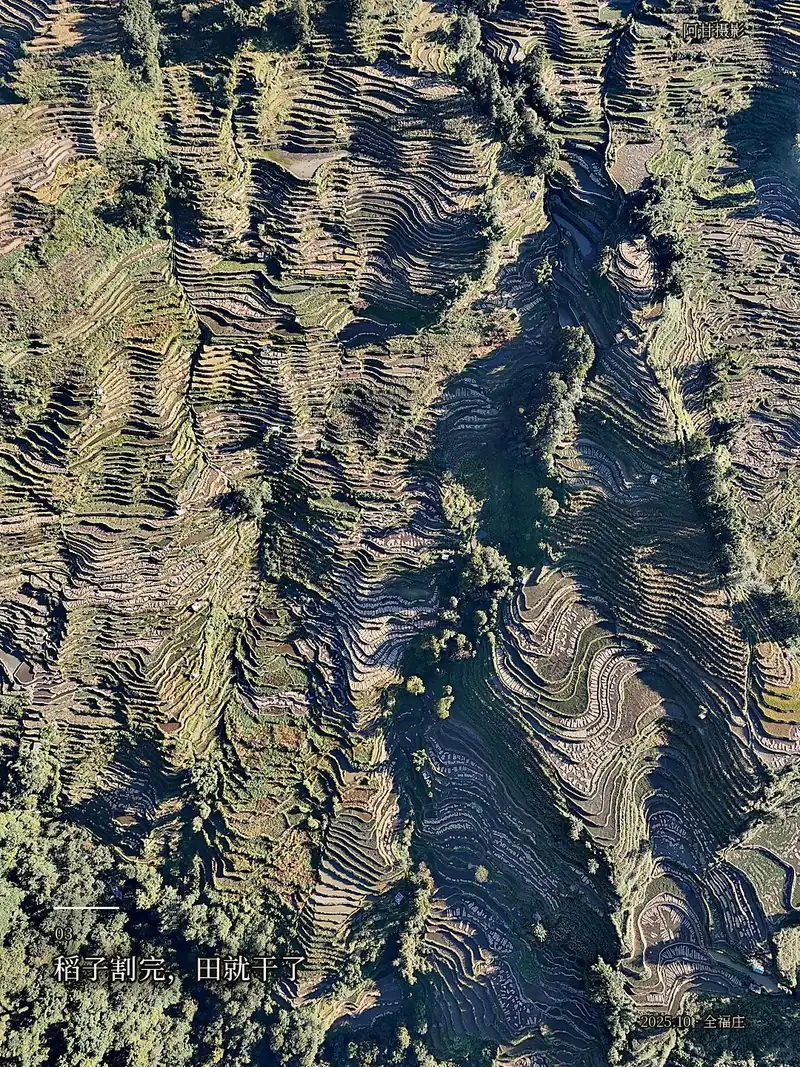
Drivers wait where the buses arrive; sharing one with two or three other travelers for the day keeps it cheap. Ask to be taken to the free viewpoints as well as the ticketed ones: Hadanpu, Laoyingzui, Quanfuzhuang and the Malizhai tea factory are often as good, with fewer people. The ticketed platforms have boardwalks and railings but only a few angles.
Day 1, 15:00 Azheke village
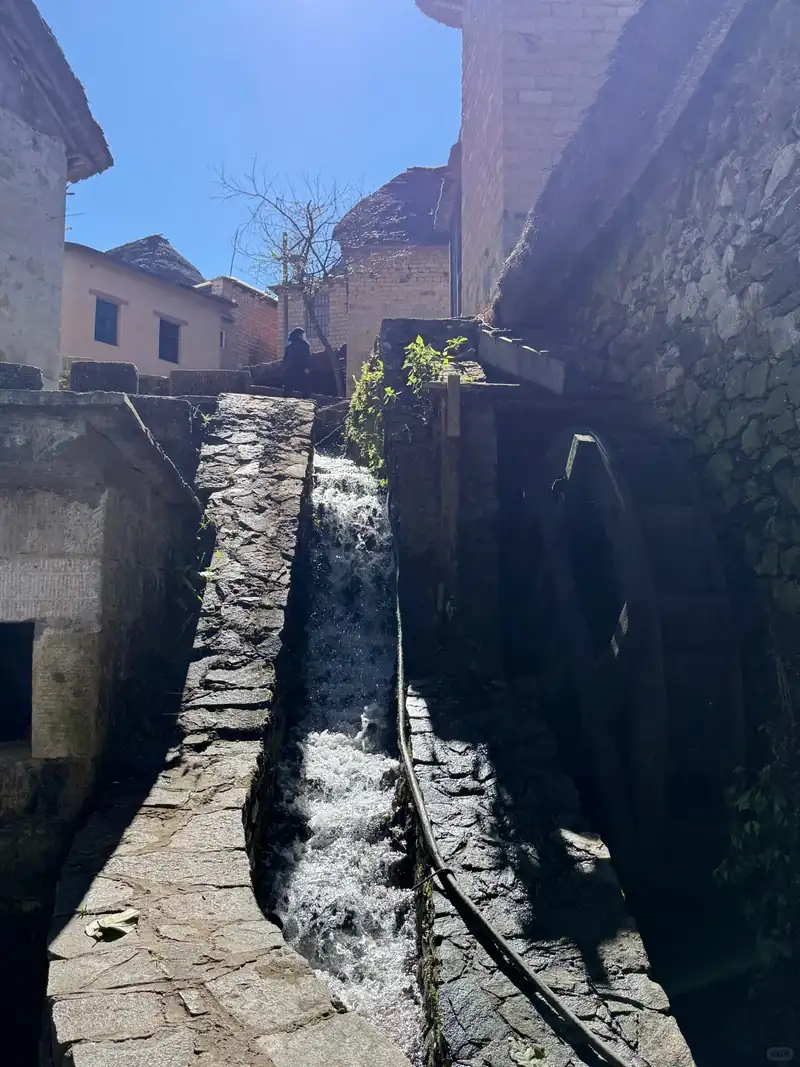
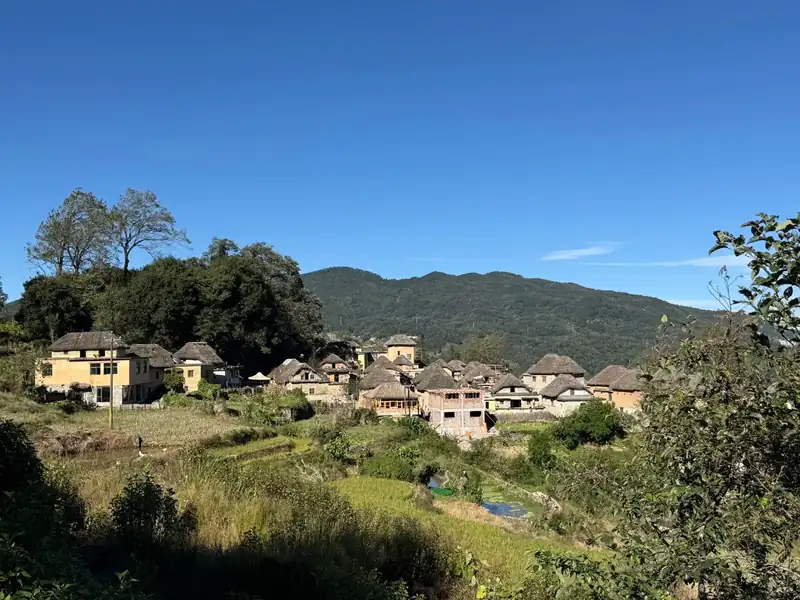
Azheke (阿者科) is a Hani village people still live in, with mushroom-roofed houses, terraces being worked, a water channel and an old mill. Ticket ¥30, about 2 hours. Walk slowly; it is the best place to see how the terraces are farmed.
Day 1, 17:30 Sunset and blue hour
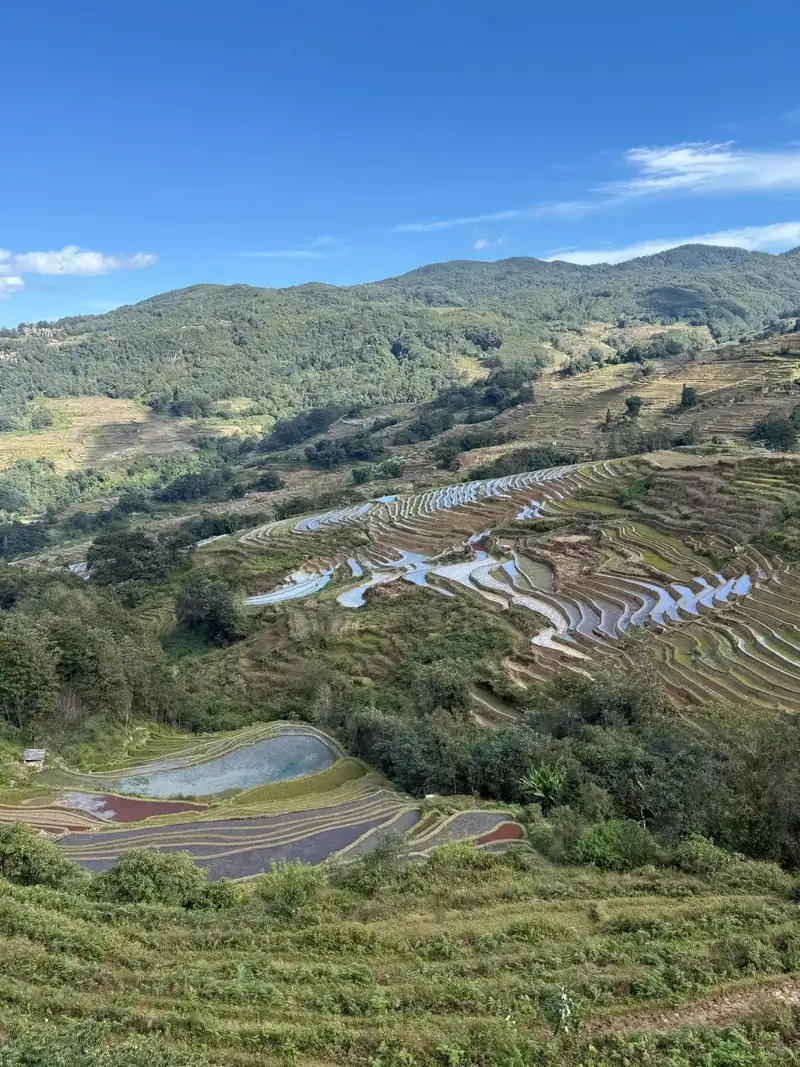
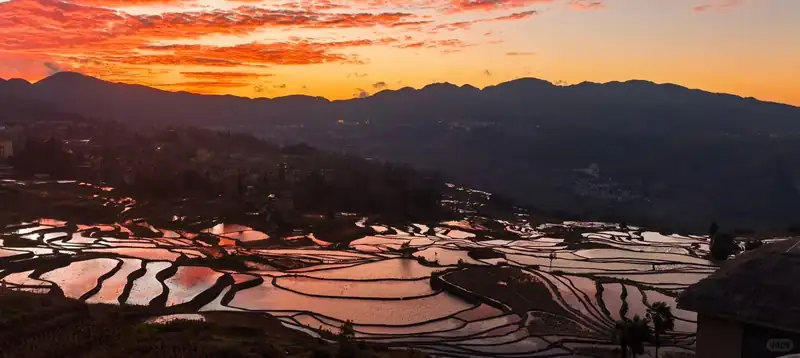
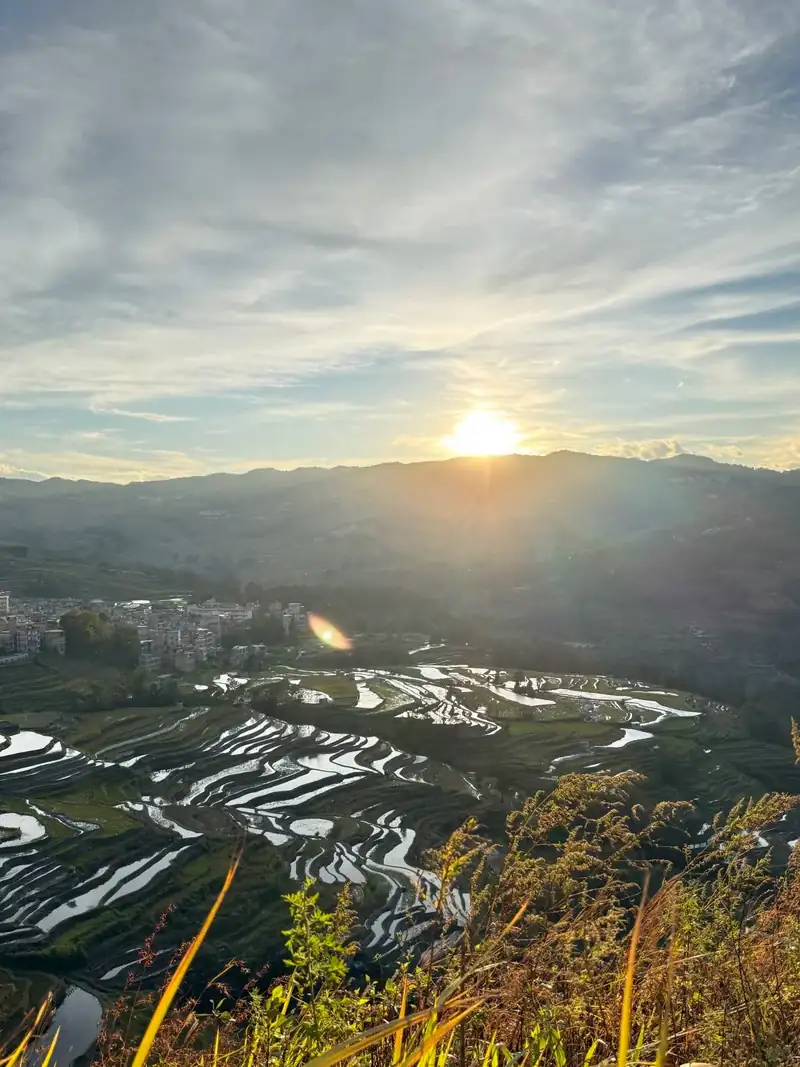
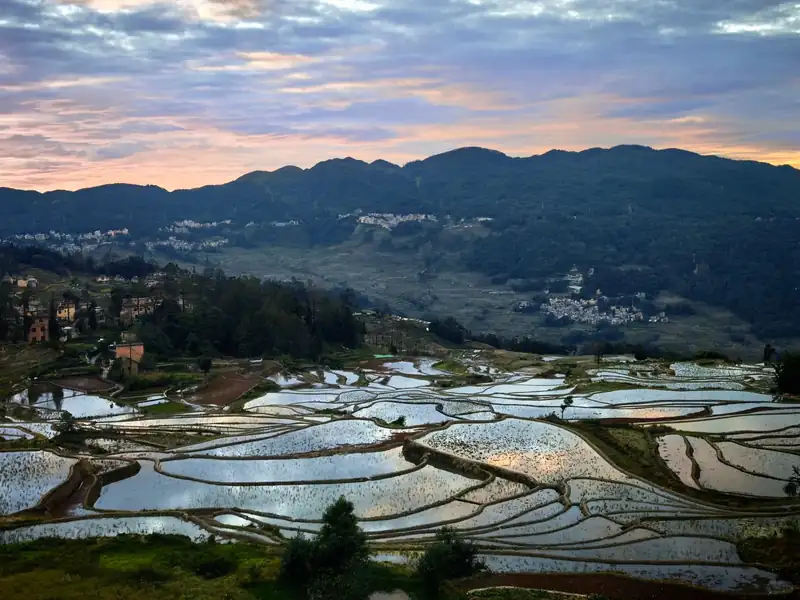
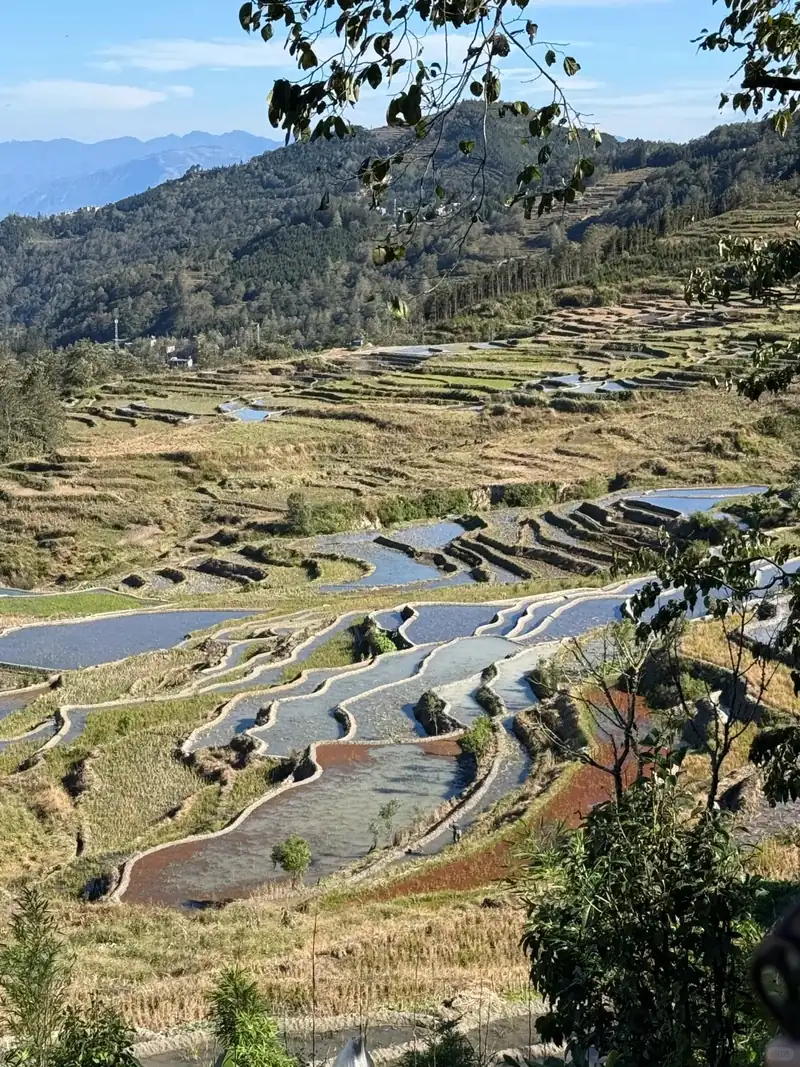
Bada and Laohuzui are the classic sunset viewpoints. But ask your driver which fields hold water that week: in mid-November 2026 most of Bada was still dry, and locals sent people to a higher spot where the terraces were already flooded and glowing blue. Stay 20 minutes after sunset, when the water turns blue. Sunset in late November is around 18:40.
Day 2, 06:30 Sunrise at Duoyishu
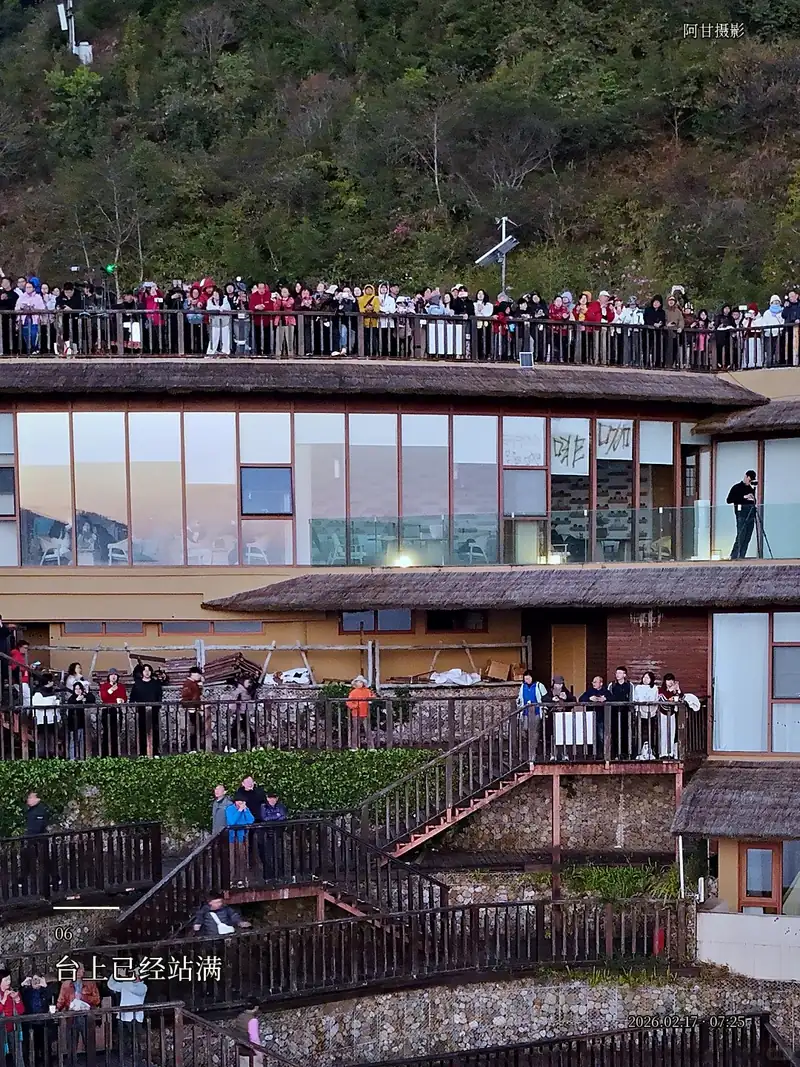
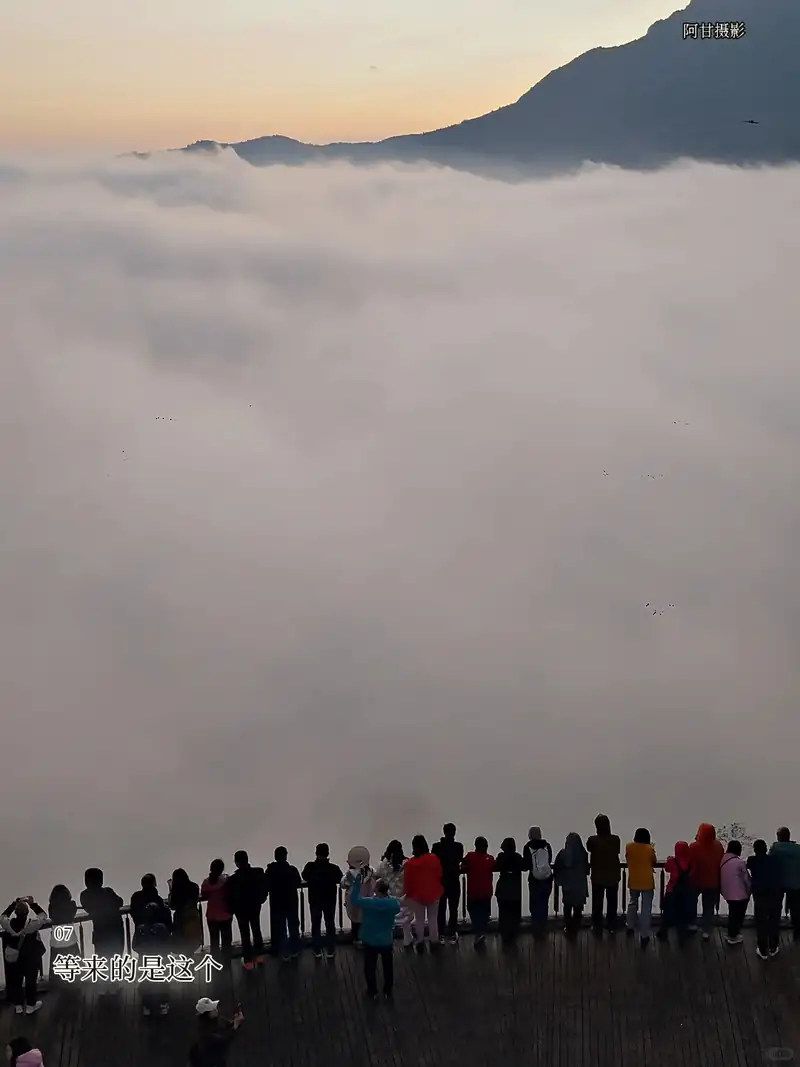
Sleep at Duoyishu (多依树) and be on the platform 40–60 minutes before sunrise (in November sunrise is about 07:20–07:50) if you want the front row. The 40 minutes before sunrise, when the water reflects purple and blue, are often better than the sunrise itself. Fog can swallow everything; on cloudy days wait, as the sea of clouds often lifts and falls again.
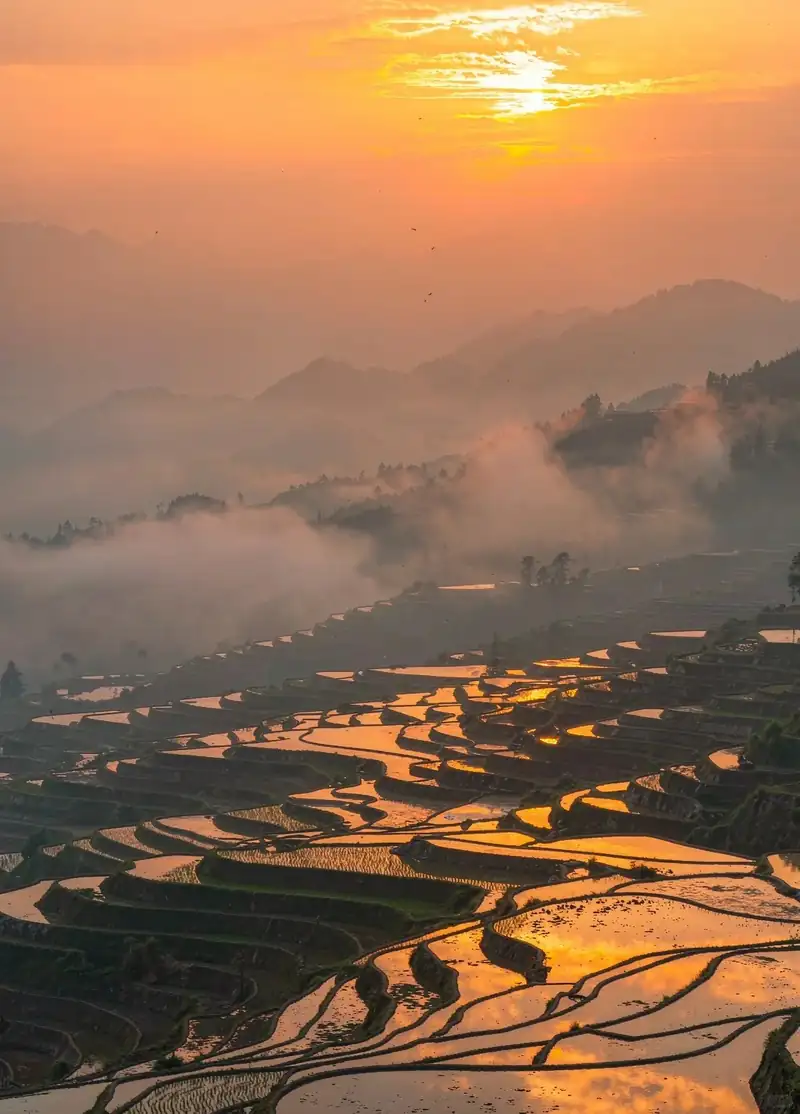

Day 2, 09:00 The blue terraces
On a sunny morning, between about 09:00 and 11:00, flooded terraces reflect the sky and turn deep blue; Aichun (爱春) is the usual place. Walking on the dykes may cost a ¥10 'hygiene fee' paid to villagers, so carry cash. Don't step on the dyke edges: they hold the water, and a broken one drains a family's field.
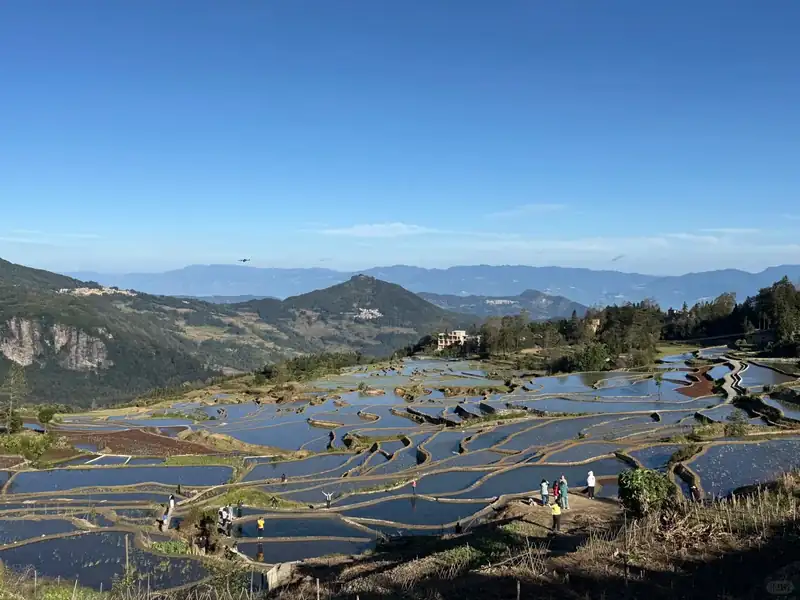
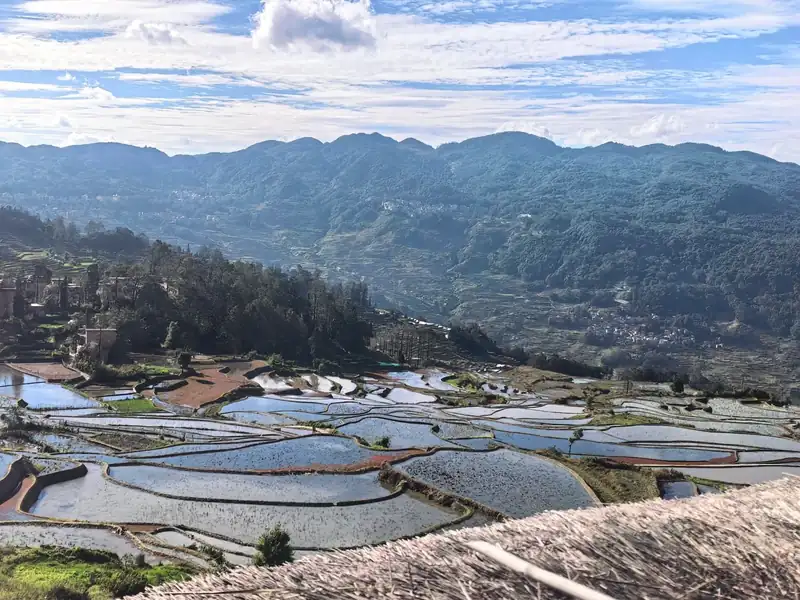
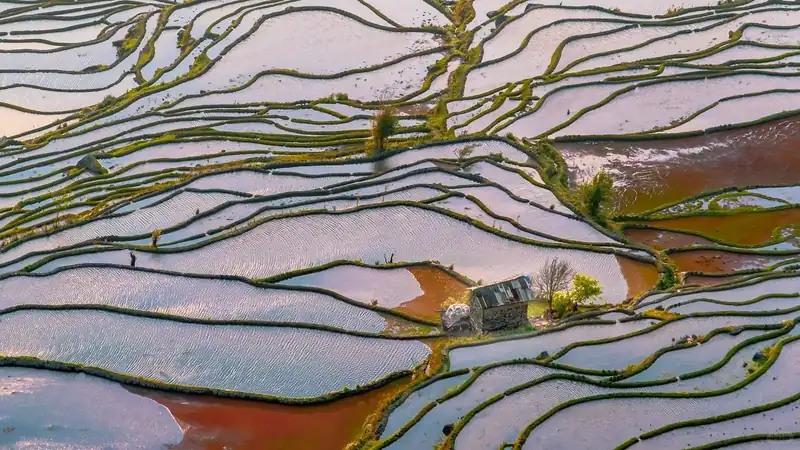
Day 2, 11:00 Bookshop, Qingkou and back
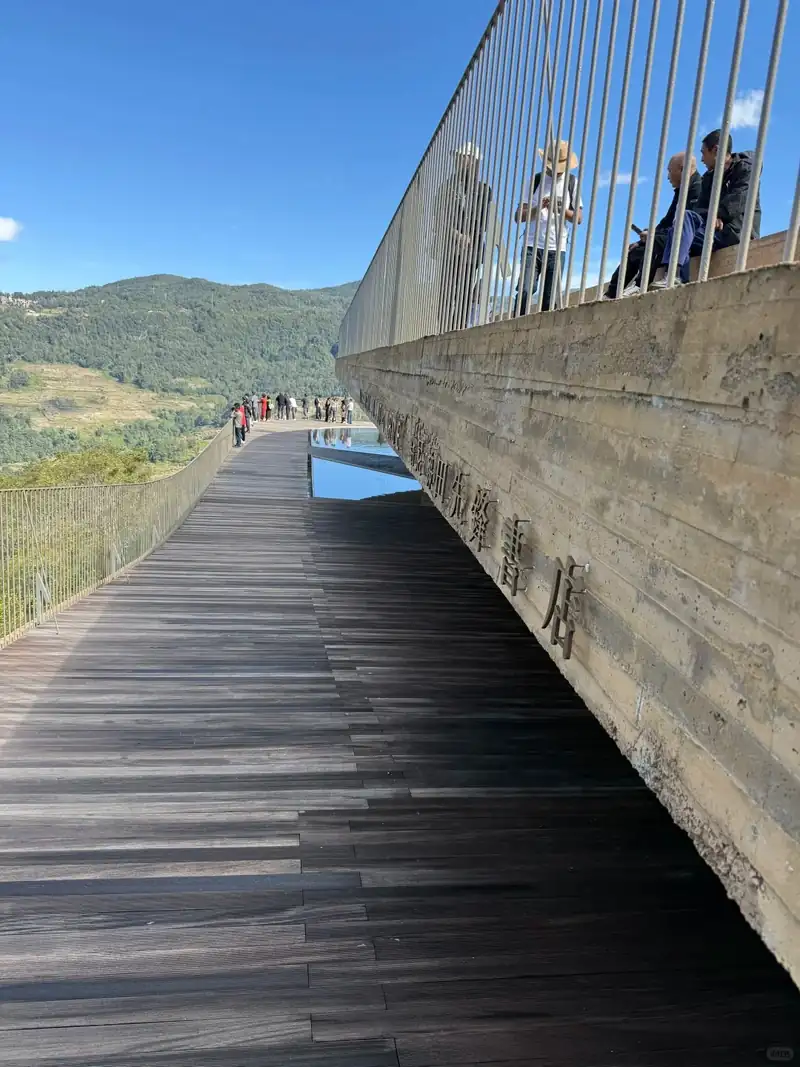
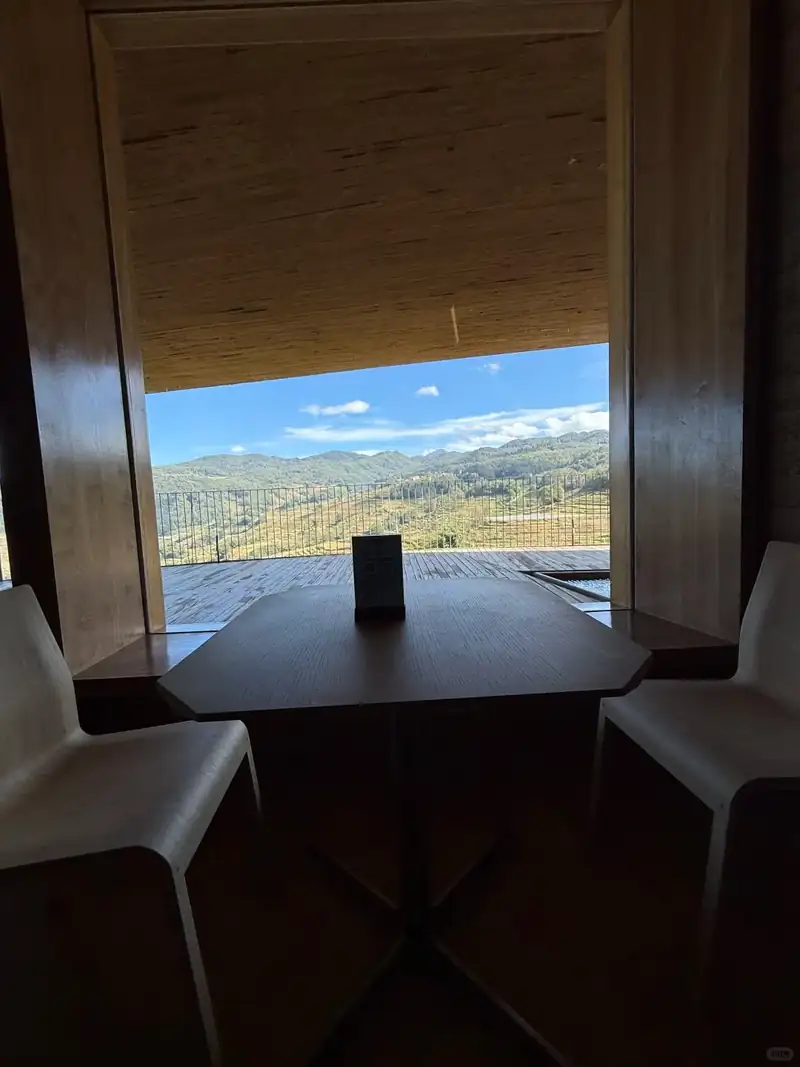
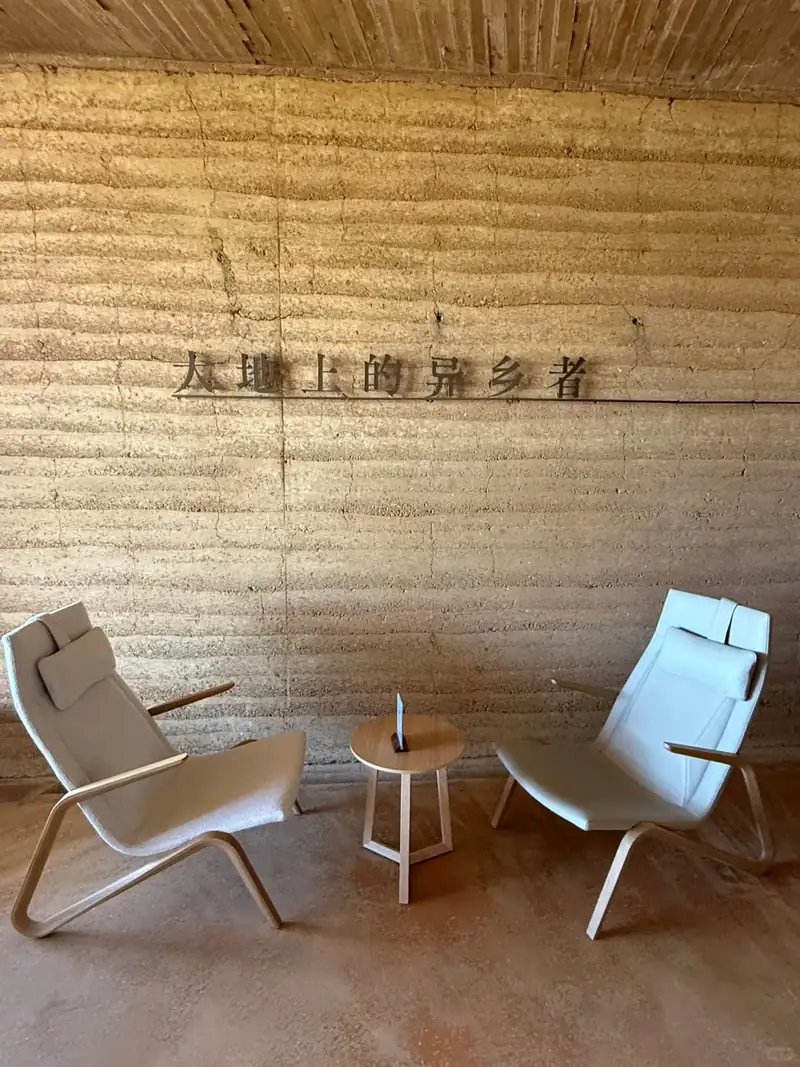
The Avant-Garde (先锋) bookshop in the terraces is a calm stop with big windows over the fields. Qingkou folk village is included in your ticket. Then back to Xinjie for lunch (Hani dipping-sauce chicken, red terrace rice with cured pork, about ¥40–50 a person) and the bus out.
Which walk to choose
- Two days, one night Day 1: Xinjie, driver, free viewpoints, Azheke, sunset. Day 2: Duoyishu sunrise, blue terraces, bookshop and Qingkou. The order this page follows.
- One sunrise only Arrive the afternoon before, sleep at Duoyishu, sunrise, then Aichun and leave by midday. Misses sunset, but fits a tight trip.
- Photographer's three days One end per day: a Duoyishu sunrise and a Bada or Laohuzui sunset on different days, waiting out fog, plus the free villages.
What goes wrong, and how to avoid it
- Check the month. December to February: full water, mirrors, clouds and sunrise. Mid-March to April: planting. May to August: green. September: golden rice. Late September to October: harvest. November to early December: stubble and mostly dry fields, the in-between month. Higher villages flood later than lower ones.
- Sunny isn't always best. Hard sun makes the sky far brighter than the fields. The best light is often just after rain, with thin mist; very thick fog hides everything. Fog can last days, so allow a spare morning.
- Don't try to see everything in one day. Duoyishu, Bada and Laohuzui look close on the map but are about an hour apart by road. Do one sunrise and one sunset, and sleep near the one you'll get up for.
- Check your guesthouse's view. Many claim a sunrise view from the balcony that turns out to be a walk uphill. Phone and ask. Roosters start around 05:00; bring earplugs.
- Dress warm and carry cash. At 1,600–1,900 m mornings are 5–6 °C, with a 15 °C swing during the day; platform steps are always damp, so wear shoes with grip. Villagers' small fees are cash. Drones need registration and a check of local rules first.
Before you go
- Ask your driver which fields hold water that week.
- Reach Duoyishu 40–60 minutes before sunrise.
- See the blue terraces between 09:00 and 11:00 on a sunny day.
- Bring a warm layer, grippy shoes and small cash.
Who should skip it
Skip a special trip in November and early December when the fields are mostly dry; skip Laohuzui if your driver says it's closed that day.
Common questions
How much is the Yuanyang terraces ticket?
¥70 in 2026 for Duoyishu, Bada, Laohuzui and Qingkou, valid 7 days. Azheke village is ¥30 extra. Several good viewpoints are free.
When are the terraces flooded?
Usually December to February, sometimes into March. In November only some fields, mostly higher up, hold water; ask locally that week.
How do I get there from Kunming?
Train to Jianshui or Mengzi, then about 2 hours by bus to Xinjie, or a 5-hour coach from Kunming. Hire a driver locally for the viewpoints.
How many days do I need?
Two days with one night at Duoyishu gives you a sunset and a sunrise. Photographers often stay three.
Going to several of these?
Tell us which sights and when. We’ll tell you what needs booking ahead and what’s worth skipping, and book the tickets that need a Chinese app.